
The 2010s were a strong decade for literature, marked by bold experimental memoirs, immersive historical fiction, and a powerful rise in diverse global voices. The decade unfolded with shifting politics, digital revolutions, and cultural upheavals, all of which were reflected in its literature. Every year of the 2010s gave us several brilliant works by writers that captured attention, defined a moment, and cemented the zeitgeist. At the same time, some revisited the past through the contemporary lens in fresh new ways.
From sprawling epics that re‑examined history to sharp, intimate novels that dissected identity, the best works of the decade became more than stories and evolved into cultural touchstones. With the following list of the best books of the 2010s, we trace the decade’s evolving voices, genres, and ideas in literature, celebrating the standout titles from every year that left a lasting impression on readers around the world. With that in mind, here are our picks for the best book from every year of the 2010s.
1
‘A Dance with Dragons’ (2011)
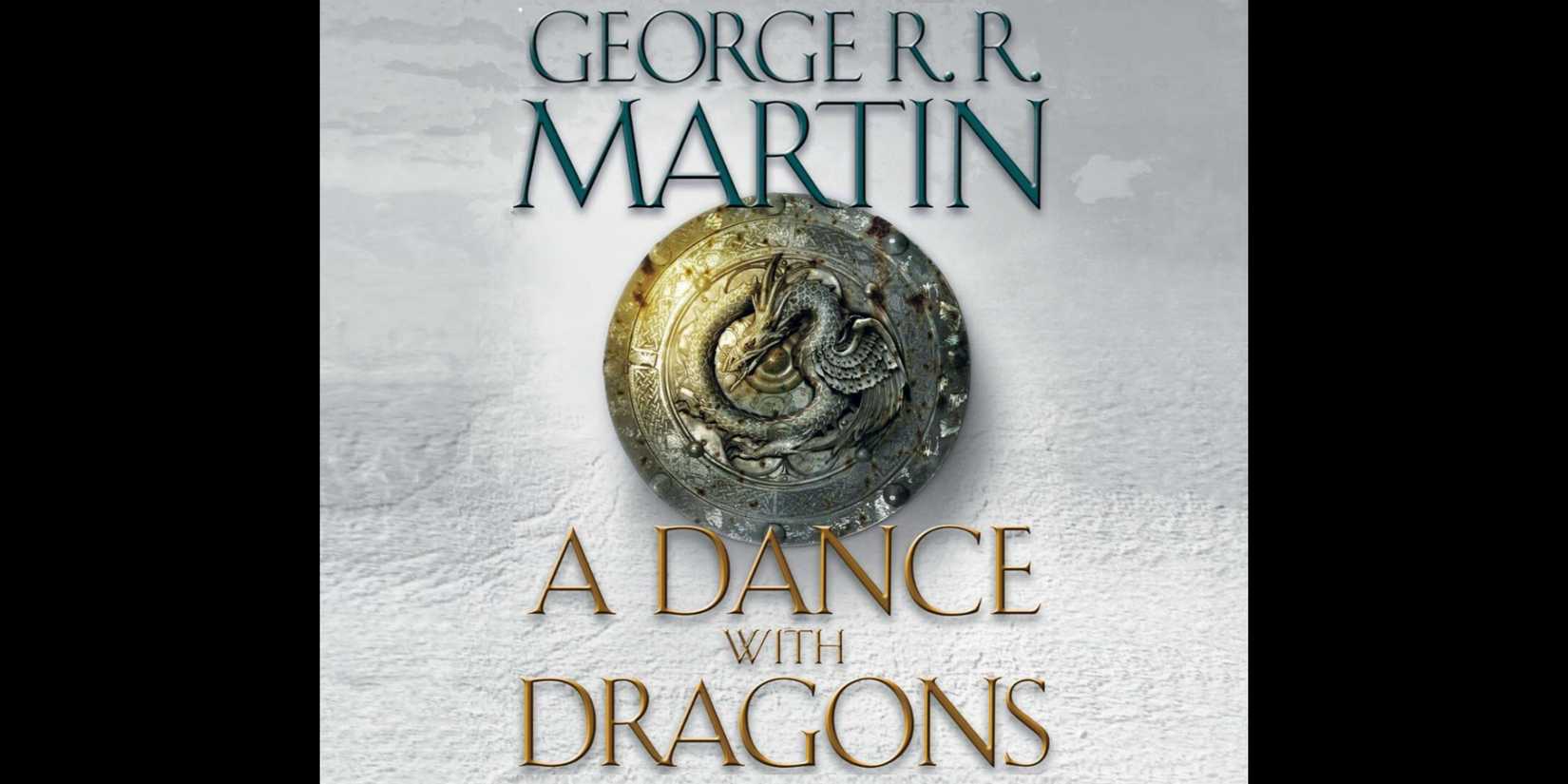
A Dance with Dragons is George R.R. Martin’s fifth of the seven planned novels in his epic fantasy series, A Song of Ice and Fire. The story follows the parallel timelines of the preceding novel, A Feast for Crows, focusing on characters in the far north and across the Narrow Sea, where Daenerys Targaryen is struggling to rule the city of Meereen as a queen, while Jon Snow tries to govern the Night’s Watch at the Wall, and various exiles and claimants travel across Essos and Westeros to find or claim the dragons.
A Dance with Dragons was the only novel in the series to be published during the eight-season run of HBO’s Game of Thrones, and was adapted for the show’s fifth season, with its various elements also appearing in other seasons. The novel has been critically acclaimed for its rich world-building, gritty power struggles, unexpected twists and turns, and the new dimensions it adds to fan-favorite characters. The winner of the 2012 Locus Award for Best Fantasy Novel, A Dance with Dragons is far more satisfying than its predecessor and remains an outstanding work of fantasy.
2
‘The Fault in Our Stars’ (2012)
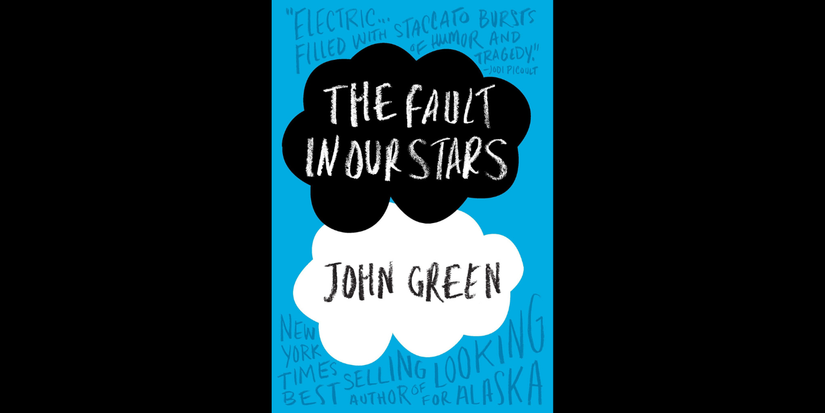
A young adult romance novel by John Green, his fourth solo novel and sixth book, The Fault in Our Stars tells the tragic story of Hazel Grace Lancaster, a 16-year-old suffering from thyroid cancer. At a support group she is forced to attend, Hazel meets Augustus Waters, a bone cancer survivor, former basketball player, and amputee, and they instantly bond over their shared passion for books, eventually falling in love. The two plan a trip to Amsterdam to meet their favorite author, embarking on a beautiful journey, learning about love, death, and life.
The Fault in Our Stars has been highly praised for the way it steers clear of excessive sentimentality yet sensitively handles delicate subjects with heart and humor, making it a gripping page-turner, though sometimes difficult to get through for emotional reasons. The novel was also adapted into a film in 2014, starring Ansel Elgort and Shailene Woodley as the central characters, which received widespread acclaim and several accolades. Painful and positive at the same time, The Fault in Our Stars is considered by many to be Green’s best work, and it’s a book that moved an entire generation of fans.
3
‘Americanah’ (2013)
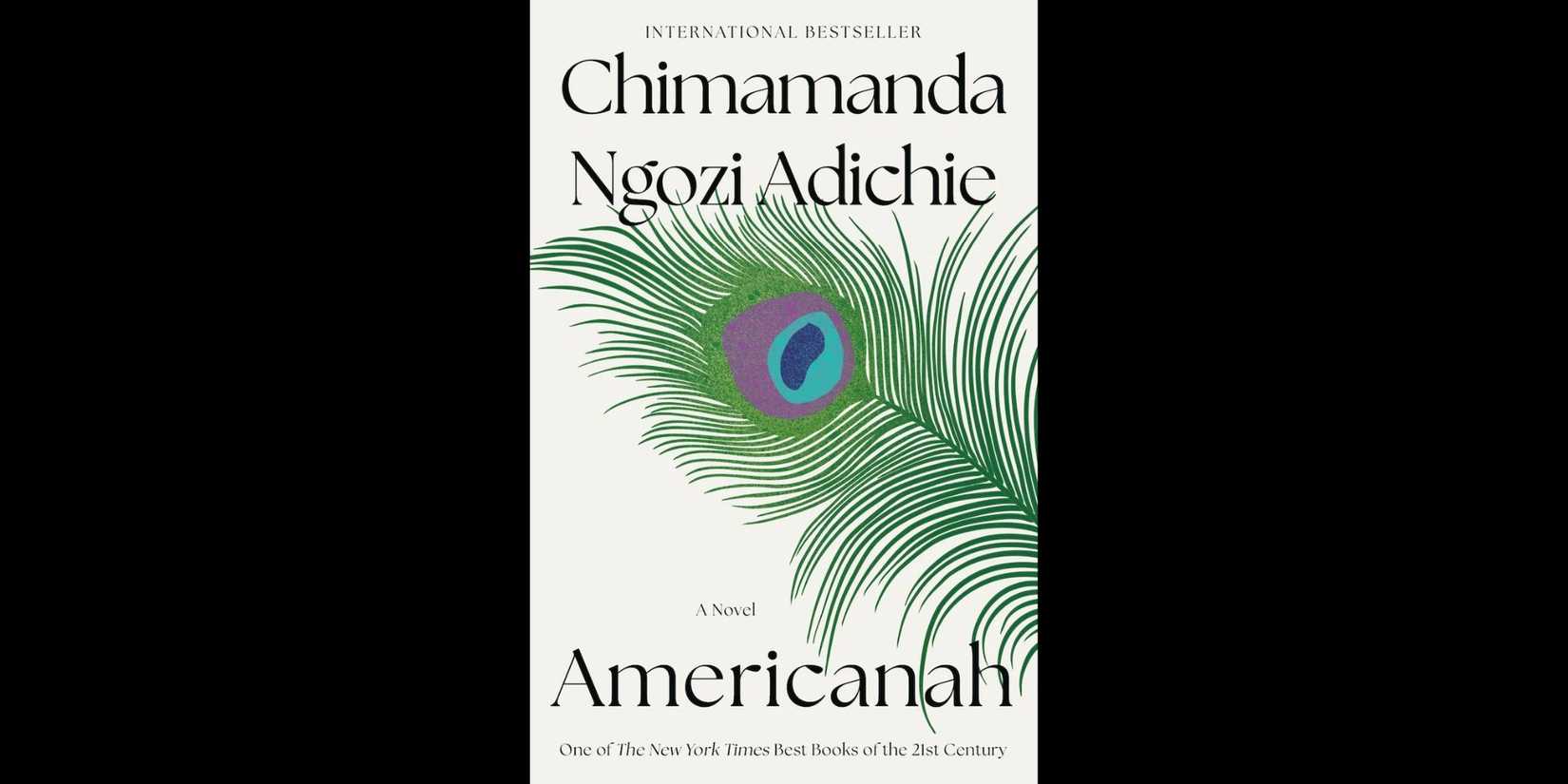
In her third novel and fourth book, Nigerian author Chimamanda Ngozi Adichie pens Americanah, an epic story of two Nigerian teenagers, Ifemelu and Obinze, who fall in love in Lagos, Nigeria. While Ifemelu immigrates to the United States to attend university, Obinze heads to London, and over the next 15 years, they navigate race, immigration, and identity across three continents, each in their own way. The title comes from a Lagosian slang term for Nigerians who have newly returned from America.
A refined blend of literary genres like coming-of-age story, contemporary fiction, and social satire, Americanah is a powerful and poignant tale of tender romance with sharp social critique. The book was a major success upon publication and won the National Book Critics Circle Award for Fiction in 2013. A brutally honest and expansive story of love, Americanah explores race, identity, community, relationships, intimacy, language, and everything in between, and easily ranks among the best books of the 21st century.
4
‘The Three-Body Problem’ (2014)
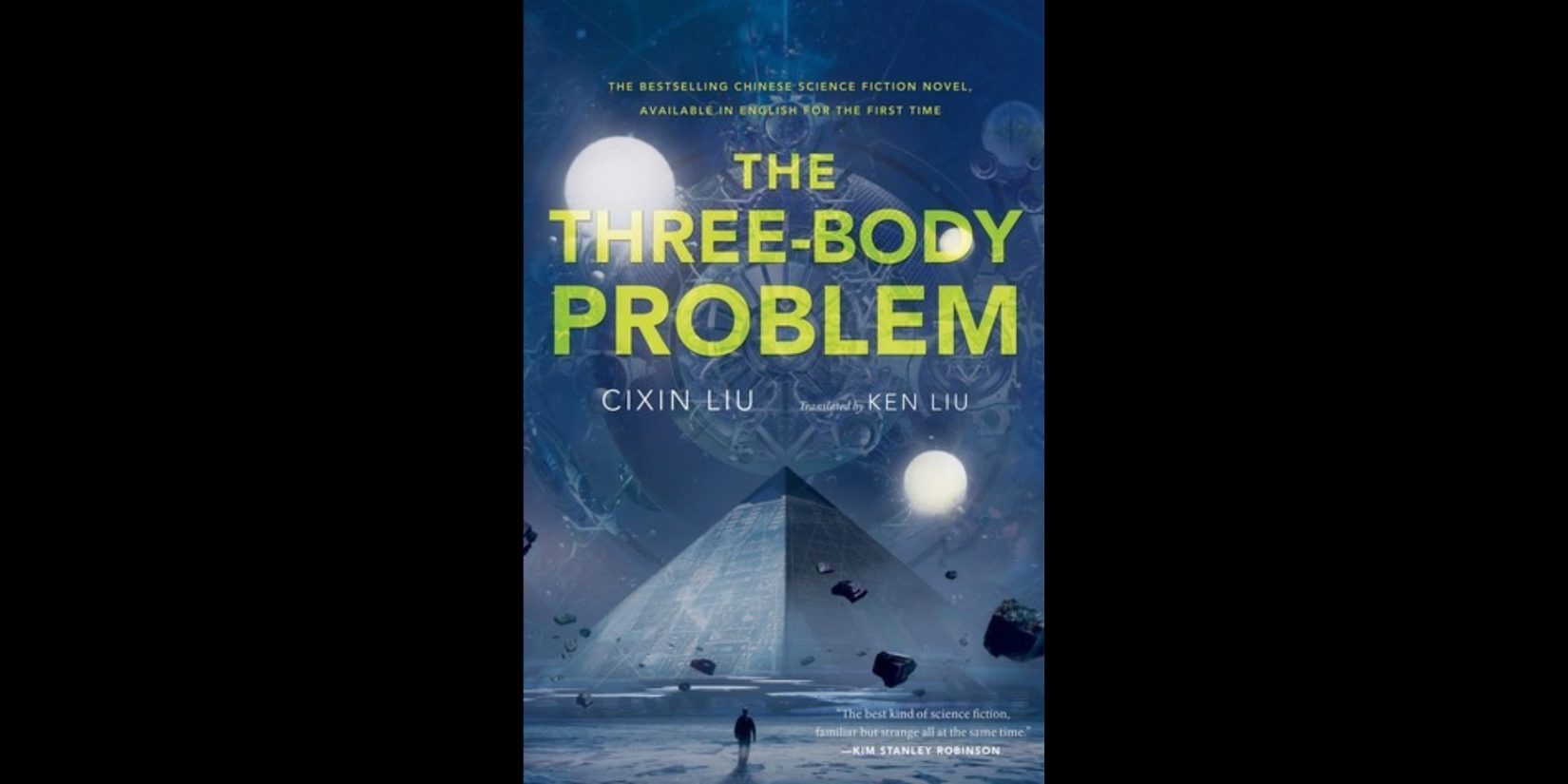
Chinese author Liu Cixin’s bestselling hard sci-fi novel The Three-Body Problem explores a fictional past, present, and future of Earth, centered on an alien invasion from a nearby star system with three Sun-like stars orbiting each other. Beginning in the 1960s during the Chinese Cultural Revolution, the story spans 18 million years, through the end of the universe, and revolves around various characters who try to uncover an apocalyptic interstellar conspiracy. The novel launched the Remembrance of Earth’s Past trilogy and is followed by The Dark Forest and Death’s End.
First published in 2008 in China, the novel became a global sensation when the English translation by Ken Liu was published in 2014, which was the first novel by an Asian writer to win the Hugo Award for Best Novel. A fantastic blend of astrophysics, cosmic philosophy, and history, The Three-Body Problem remains an incredible work of modern sci-fi and one of the best of its decade. The book has since earned critical acclaim for its distinctive, non-Western perspective on cultural and historical themes, earning comparisons to genre legends like Arthur C. Clarke.
5
‘The Sympathizer’ (2015)
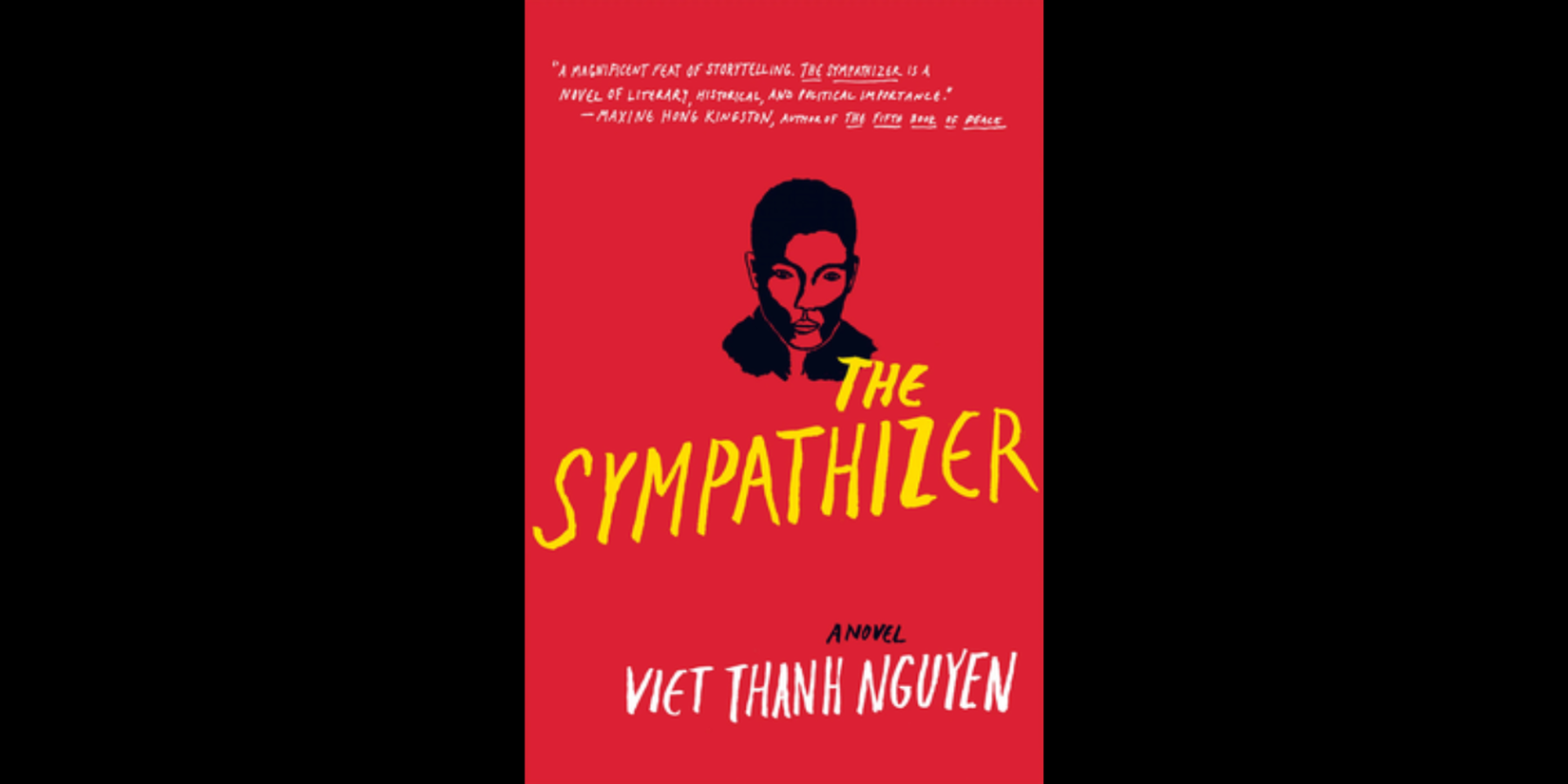
The debut novel of Vietnamese-American professor and writer Viet Thanh Nguyen, The Sympathizer follows an anonymous author who serves as a North Vietnamese spy in the South Vietnamese army and remains embedded within the community in exile, even after the end of the Vietnam War. The book chronicles his life as an expat in the United States, becoming a cultural advisor on a Hollywood film similar to Platoon and Apocalypse Now, exploring how he lived the double life of a mole and an immigrant.
While essentially a spy story, The Sympathizer also incorporates elements of other genres like political thriller, mystery, metafiction, dark comedy, and war drama. Resting on themes of dual identity and the Americanization of the Vietnam War in international literature, the book makes for a thrilling read, translated successfully into Park Chan-wook’s TV adaptation. Published in the 40th year after the Fall of Saigon, The Sympathizer became a major bestseller, winning a 2016 Pulitzer Prize for Fiction and also earning comparisons to the works of genre masters like Graham Greene and John le Carré.
6
‘The Underground Railroad’ (2016)
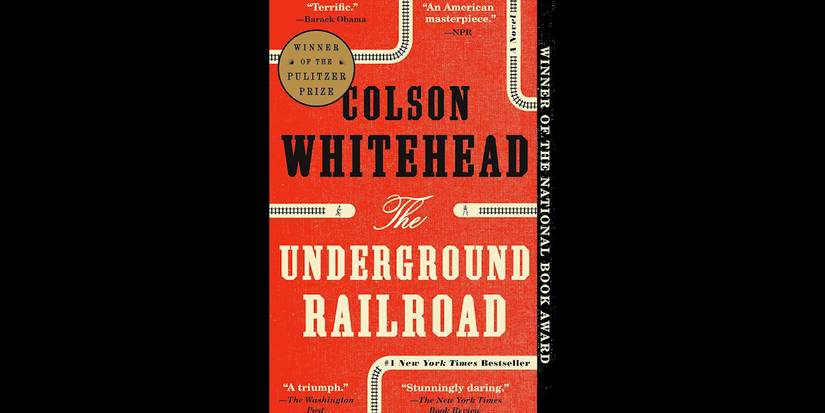
An alternate history novel by Colson Whitehead, The Underground Railroad is a remarkable reimagining of the titular route used by enslaved people to escape to the North during the 19th century. The novel transforms the underground network of passages into a tangible subterranean railroad system. Set in the Antebellum South, the story chronicles the journey of Cora, a young enslaved woman who escapes her brutal life at a Georgia plantation and follows the Underground Railroad to reach the abolitionist North, while being hunted down by a ruthless slave catcher.
The Underground Railroad remarkably turns a historical metaphor into a highly imaginative but hard-hitting commentary on American history as we know it. The novel has since been widely acclaimed for bridging historical facts with contemporary social crises, praising the use of magic realism to explore harsh realities. Winner of the 2016 National Book Award and the Pulitzer Prize for Fiction, The Underground Railroad is widely considered the absolute best of its year.
7
‘Pachinko’ (2017)
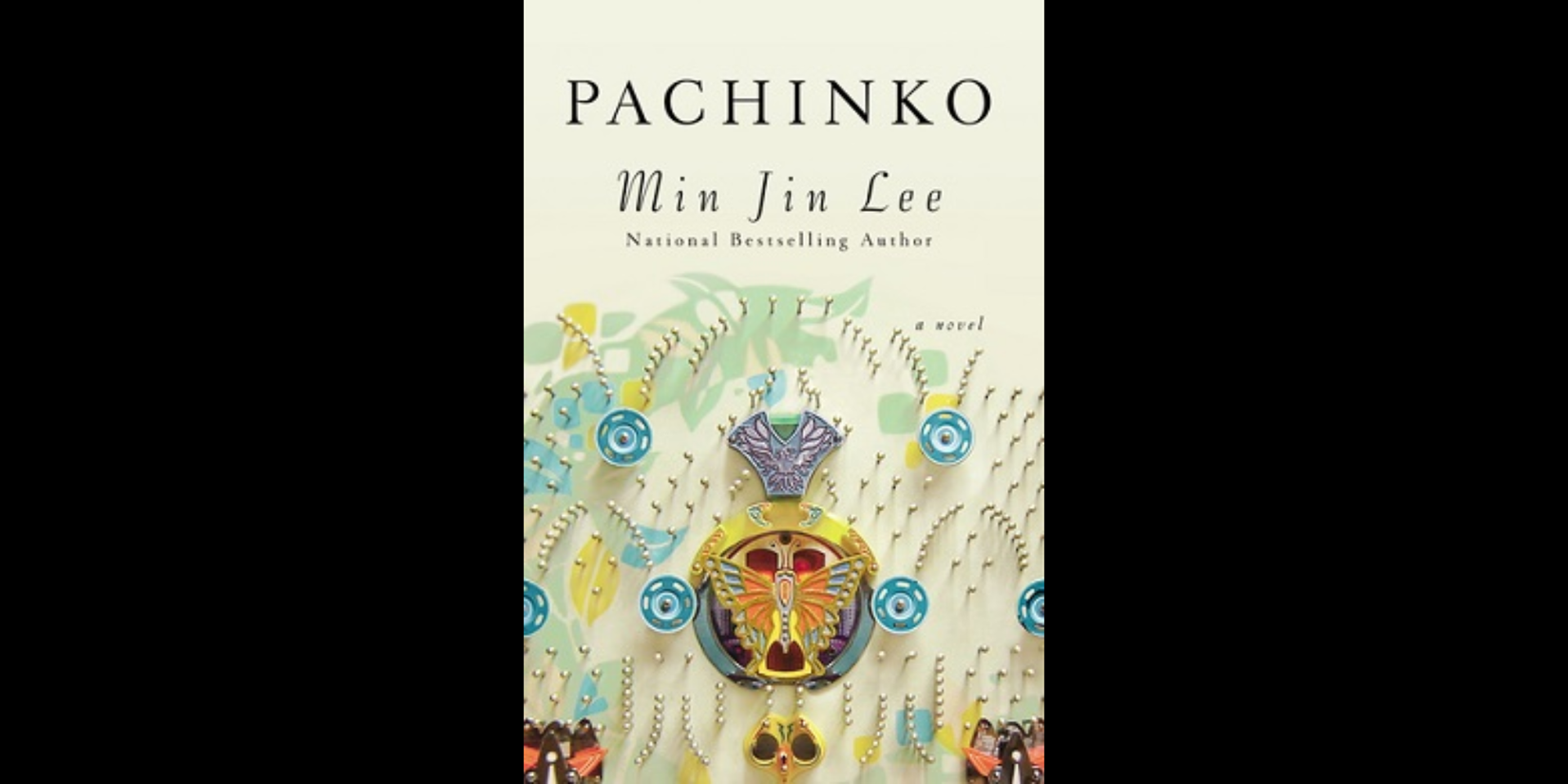
The second novel by Korean-American journalist and author Min Jin Lee, this multigenerational historical fiction story explores the 20th-century Korean experience in Japan. Set between the late 1880s and late 1980s, Pachinko chronicles the life of four generations of a Korean family who migrate to Japan and their encounters with racism, discrimination, stereotyping, and other aspects of immigrant life. The novel is divided into three parts, each opening with an epigraph quoting the works of Charles Dickens, Park Wan-suh, and Benedict Anderson, respectively.
When it was published nearly a decade ago, Pachinko became widely recognized for its profound exploration of identity and displacement and the way it reconstructs an overlooked chapter of modern Asian history. The book has since been widely praised by critics and major literary bodies and cited as a monumental work of contemporary literature. Pachinko was also adapted into a two-season Apple TV series that earned critical acclaim for its cinematography, writing, and acting.
8
‘Circe’ (2018)
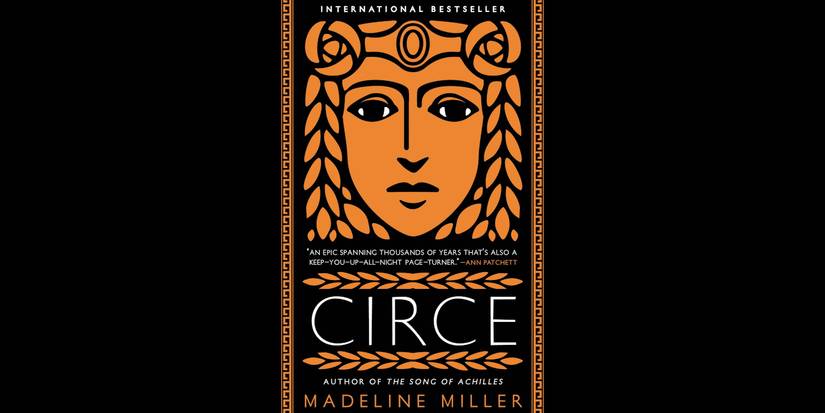
Written by Madeline Miller, Circe is a mythic fantasy set during the Greek Heroic Age that reimagines the life and myths surrounding the titular Greek sorceress. The book reimagines various ancient myths, particularly The Odyssey, as narrated from the perspective of Circe, and reinvents Circe’s accounts and encounters with other mythical figures like Hermes, the Minotaur, Jason, and Medea, and her romance with Odysseus and his son Telemachus.
Upon its publication, Circe became a massive critical success across literary bodies and media outlets, earning praise for its lyrical prose and rich character development. A feminist reimagining of traditional Greek mythology, Circe takes readers into a dimension of Greek myths that they never imagined or wondered about. The book has since been shortlisted for and awarded several literary accolades, winning the 2018 and 2026 Best Fantasy Book of the Decade Award at the Goodreads Choice Awards.
9
‘Normal People’ (2019)
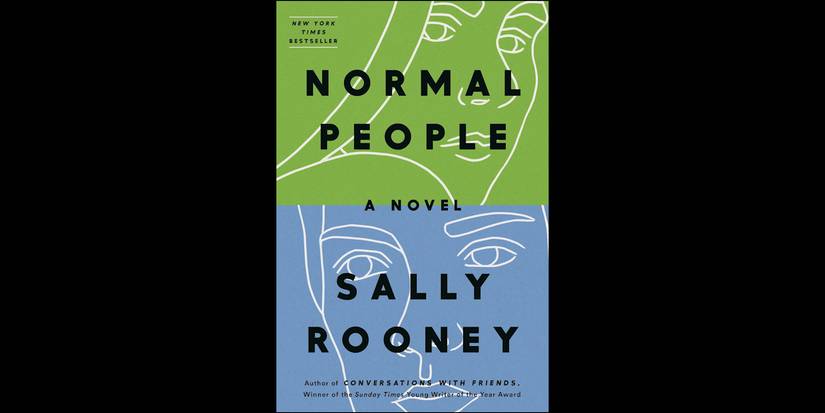
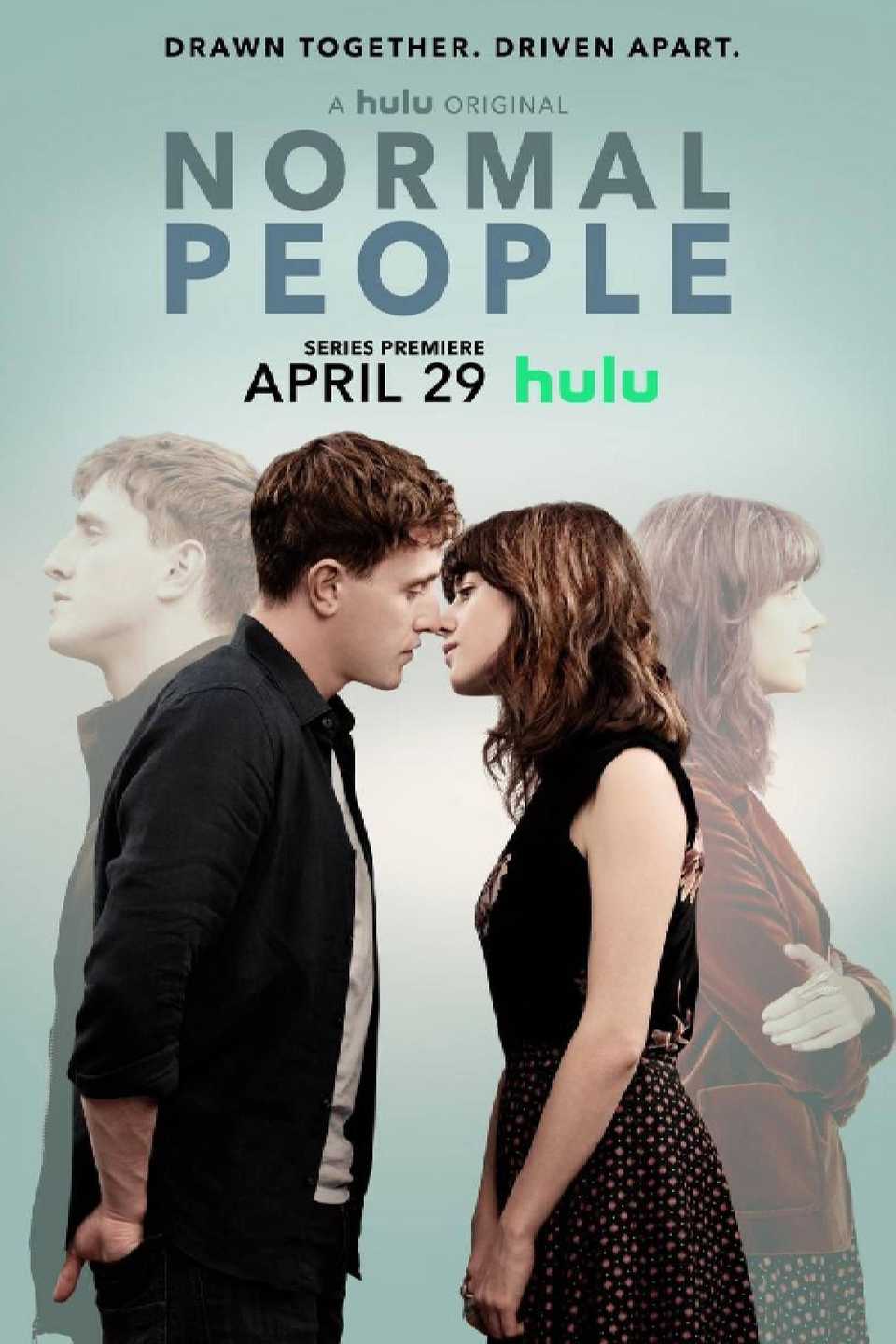
A coming-of-age novel by Irish author Sally Rooney, Normal People follows the complex friendship and relationship between two teenagers from different social classes in a small Irish town. From the time they first become friends in the final days of high school in their hometown, Connell and Marianne’s lives become entangled in a complicated, on-and-off romance and friendship throughout their college years in Dublin.
Normal People is a powerful contemporary romance with strong elements of psychological fiction that beautifully captures the raw, honest, and harsh realities of first love and growing up. Rooney’s second novel, the book was widely acclaimed upon its publication and became a bestseller in the United States and China, achieving larger attention and recognition than her debut. Normal People has also been successfully adapted into a 12-episode television series starring Paul Mescal and Daisy Edgar-Jones as the central characters, which earned glowing reviews and several prestigious accolades.