
With all due respect to the charming villages and rugged coastlines of Ireland and the enviable quality of life found in many Nordic countries, the dream of living abroad often begins with a different vision: a sunny terrace overlooking the sea, a morning espresso at a neighborhood café, a walk to the market for fresh bread and produce, and an afternoon spent outdoors. The Mediterranean lifestyle has long captivated Americans with its blend of warm weather, culinary diversity, slower rhythms, walkable towns and cities, and a cultural emphasis on savoring everyday life.
The citizenship that makes that long-term possibility realistic is easier to obtain than many Americans realize. The United States allows its citizens to hold dual nationality, meaning they can simultaneously be citizens of both the United States and another country. Unlike simply vacationing or holding a residency permit, citizenship can provide the right to live, work, study, and access public services in that country, while often opening the door to greater mobility throughout the European Union for citizens of Mediterranean member countries. For Americans drawn to the Mediterranean lifestyle, a second passport can transform a dream destination into a permanent option—not just a place to visit, but a place where they and their families can build a future.
For American expats considering an escape to the Mediterranean, the appeal is not simply obtaining another passport—it is also finding a place that aligns with the lifestyle they want. The region is far more diverse than the postcard images suggest, offering everything from lively coastal cities and historic capitals to quiet fishing villages, mountain communities, and rural landscapes surrounded by vineyards and olive groves. Here are the best Mediterranean islands and oceanfront towns for expats to consider in 2027 and beyond.
Corfu, Syros, and Crete, Greece

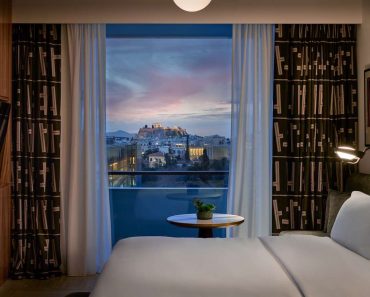
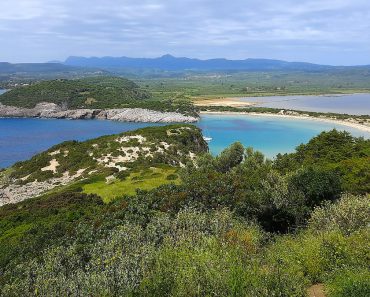
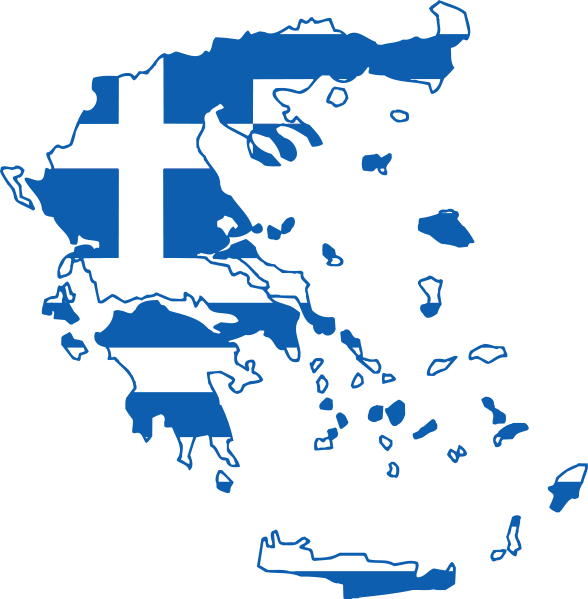
Impossibly blue water, rustic coastlines, and whitewashed buildings—when many picture the Mediterranean lifestyle, it’s Greece that comes to mind. The country offers one of the Mediterranean’s most appealing blends of lifestyle, culture, and long-term accessibility for Americans considering a second passport.
Beyond the postcard images, Greece offers a wide range of ways to live: from the year-round communities and lower costs of Crete to the quieter, more authentic pace of Syros and the established international community of Corfu, where English is widely spoken. Retirees may be drawn to Crete’s affordable coastal towns, excellent food culture, and modern amenities, while those looking for a less tourist-driven island experience may find Syros’s historic villages, charming port, and local rhythms a better fit. Corfu, with its Venetian architecture, verdant landscapes, and long-established expat community, offers an easier transition for many Americans.
Without Greek ancestry, citizenship is typically a long-term process rather than a quick purchase. Most applicants must first establish legal residency in Greece, generally for seven years, before applying for naturalization and meeting requirements such as language proficiency and knowledge of Greek culture and society.
Citizenship is a lengthy process, but once applicants obtain it, they also become citizens of the EU, granting the right to live, work, and study throughout the European Union. For Americans seeking a Mediterranean lifestyle, a Greek passport can transform a beloved vacation destination into a permanent home base with access to a much broader world of opportunities.
Gozo, Malta

You couldn’t be blamed if Malta falls off your radar—the entire country is smaller than Philadelphia. While Greece offers sprawling islands, dramatic landscapes, and a deep connection to ancient history, Gozo—the northernmost region of Malta, just 60 miles south of Sicily—offers a slower, more intimate Mediterranean lifestyle. Think of it as the Midwest, but cradled by blue water. The 26-square-mile region is defined by limestone villages, quiet coves, and close-knit communities rather than sprawling resorts. For Americans looking for a European home base, Gozo offers an easier transition since English is an official language in Malta.
Roughly the size of Manhattan, Gozo offers several distinct ways to live, from the waterfront communities of Marsalforn and Xlendi to the historic villages surrounding Victoria, further inland, which acts as the cultural center. Americans and other expats are drawn to Gozo’s slower pace, strong sense of community, lower cost of living compared with many parts of Western Europe, and access to outdoor activities, including swimming, hiking, and exploring centuries-old towns. Compared with Malta’s main island, Gozo trades the busier cities, heavier traffic, and urban pace of places like Valletta and Sliema for village life and open landscapes.
For Americans considering a long-term move, Malta’s residency options and EU membership sweeten the deal. The path to citizenship, however, is not a shortcut: Most applicants must establish long-term residency and meet naturalization requirements before applying. Still, Gozo’s combination of Mediterranean beauty, accessibility, and English-speaking culture makes it an appealing option.
Mallorca and Menorca, Spain

Sun-soaked beaches, rugged mountains, and old villages that seem to come from a Hollywood movie set—when many Europeans think of the Mediterranean, the Balearic Islands are often top of mind, though they remain less familiar to many Americans. Mallorca (the larger island) and Menorca (the smaller) offer a blend of natural beauty, culture, and accessibility that makes them appealing for those considering a long-term move abroad. Located about 130 miles southeast of Barcelona, these Spanish islands provide a slower rhythm of life built around coastal living, outdoor recreation, and historic towns while still offering modern infrastructure and easy connections to the rest of Europe.
Spain’s path to citizenship is not a quick route. Most applicants must first establish legal residency in the country for 10 years before applying for naturalization, along with meeting requirements such as language proficiency and knowledge of Spanish culture and society. The wait is worth it: The islands’ airports make it possible to reach major European destinations in roughly two hours, from Barcelona and Milan to Paris and Zurich. English is common on Mallorca—still popular with British expats—and common in the more touristy areas of Menorca.
Mallorca, roughly the size of Long Island, New York, but with fewer than one million residents, offers the broader range of lifestyles, from the cultural attractions and international community of Palma to mountain villages in the Serra de Tramuntana and coastal towns near beaches. Menorca, about one-fifth the size of its sister island and home to fewer than 100,000 residents, offers a quieter alternative known for protected landscapes, secluded coves, and a slower pace.
Sicily, Italy

From seafood pulled from the Mediterranean to citrus groves and some of Italy’s best street food, Sicily offers a cuisine shaped by centuries of Greek, Arab, and Norman influence. Beyond the food, Italy’s largest island has remarkable geographic diversity, from rugged coastlines and turquoise waters to inland mountains, vineyards, and volcanic landscapes. For Americans seeking a slower Mediterranean lifestyle, Sicily often comes in at a lower cost than many other options in the area.
About the size of Vermont but home to roughly five million people (think: the population of Boston), Sicily offers several distinct lifestyles, from the international community of the capital city, Palermo, to the Baroque towns of the Val di Noto and the coastal beauty of Taormina and Syracuse. Americans and other expats are drawn to Sicily for its year-round outdoor opportunities and communities where life revolves around neighborhood markets, cafés, and family-run restaurants. The island’s average annual temperature is about 66 degrees Fahrenheit, though summers can be very hot and air conditioning isn’t universal. English is common in tourist areas and among younger residents but less so outside those destinations, particularly among older residents.
For Americans without Italian ancestry, citizenship typically requires 10 years of legal residency before applying for naturalization and meeting language and integration requirements. Those with Italian ancestry may qualify for a faster path through jure sanguinis (“right of blood”) laws, allowing eligible applicants to claim citizenship by descent without the residency requirement if they can document an unbroken line of Italian citizenship. Once settled, Sicily’s airports put destinations such as Naples, Rome, Vienna, and Marseille within roughly 90 minutes, making the island an appealing base for exploring Europe on long weekends.
Sardinia, Italy

Take Sicily’s coastal beauty, subtract the crowds and city energy, then add more untouched beaches, mountains, and wild landscapes—with a distinct local culture and dialect—and you have Sardinia. Roughly the same size as Sicily but with only a third of its population, Sardinia feels more remote, less densely settled, and more nature-driven. The island is known for some of the Mediterranean’s clearest waters, rugged mountains, and a slower pace centered around beaches, hiking, fishing, and village life. English is common in popular coastal destinations and among younger residents, but outside tourist areas, the local dialect is more prevalent.
Cagliari, the island’s largest city on the southern coast, offers cafés, restaurants, and urban amenities, while the glamorous Costa Smeralda on Sardinia’s northeastern coast is known for luxury hotels, yacht-filled marinas, and exclusive beaches. Alghero, on the northwest coast, offers Catalan influences and a historic waterfront, while Villasimius, on the southeast coast, is prized for white sand beaches and protected marine areas. Inland communities like Orgosolo and towns around Nuoro offer a quieter, more traditional way of life with lower housing costs.
Life in Sardinia revolves around the outdoors: swimming in clear waters, exploring rugged landscapes, enjoying seafood and local wines, and embracing a slower rhythm. While the expat community is smaller than in mainland Italy or Sicily, retirees and remote workers are drawn to its quieter Mediterranean lifestyle. Flights to mainland Italy and ferry routes that accommodate cars keep the island connected without sacrificing its sense of escape.
Cyprus

From turquoise waters to ancient ruins and mountain villages, Cyprus offers a Mediterranean lifestyle shaped by Greek, Turkish, Middle Eastern, and British influences. The island’s cuisine reflects that crossroads, with grilled seafood and flavors shared across the eastern Mediterranean, while more than 300 days of sunshine each year and average temperatures around 70 degrees Fahrenheit make it appealing for Americans seeking a warmer European home base.
About the size of Puerto Rico, Cyprus is easy for Americans to navigate because English is widely spoken. Limassol, a cosmopolitan seaside city on the southern coast, draws international residents with its restaurants, marina, and business community, while Nicosia, the inland capital, offers a more traditional urban experience. On the western coast, Paphos attracts retirees and expats with beaches, archaeological sites, and a relaxed pace, while villages in the Troodos Mountains provide cooler temperatures, hiking, vineyards, and a quieter lifestyle.
Newcomers should know Cyprus has been divided since 1974 between the Greek Cypriot-controlled Republic of Cyprus in the south and the Turkish Cypriot-administered north, separated by a UN buffer zone known as the Green Line. Despite its location in a geopolitically sensitive region, Cyprus remains a safe and stable destination. Citizenship is not a quick process; applicants typically need years of legal residency, but successful applicants gain EU citizenship and access to destinations across the eastern Mediterranean.
Málaga, Spain

From year-round sunshine and seafood-filled beach culture to a surprisingly deep history, the city of Málaga, located within the province of the same name, offers a version of Mediterranean living that balances coastal relaxation with the conveniences of a major European city. Located on Spain’s southern Costa del Sol, Málaga receives more than 3,000 hours of sunshine annually, making it one of Europe’s sunniest destinations.
Unlike some resort towns built primarily around tourism, Málaga is a working city with a strong cultural identity, a growing international community, and a history shaped by Roman, Moorish, and Spanish influences. For Americans seeking a Mediterranean home base, it offers beaches, outdoor recreation, excellent food, and the urban feeling that can be challenging to find elsewhere. The historic center combines museums, restaurants, and cafés with easy access to the waterfront, while neighborhoods along the coast provide a more relaxed, beach-oriented rhythm. The city is also the birthplace of Pablo Picasso and has developed into a cultural hub with galleries, festivals, and a growing tech scene.
Beyond Málaga itself, the surrounding Costa del Sol offers quieter alternatives, from marina towns to hillside villages, allowing residents to choose between urban convenience and a slower coastal lifestyle. English is widely spoken in tourist areas and among many expats, though daily life becomes more Spanish outside those circles.
Split and Rijeka, Croatia

Crystal-clear Adriatic waters, medieval stone villages, and a slower pace of life have made Croatia increasingly attractive to Americans looking for a European base. The country’s path to citizenship requires most foreign residents to live there for eight years before applying, along with meeting language, cultural, and residency requirements. Those with Croatian ancestry may have a separate route to citizenship that does not require the standard residency period, provided they can prove their connection to Croatia.
Split and Rijeka offer two different versions of coastal living: The former delivers the postcard Mediterranean experience, with ancient history, beaches, and island-hopping at its doorstep, while the latter is a more urban, year-round alternative on the northern Adriatic. Located along the Dalmatian Coast, Split sits roughly where an imaginary line from Rome across Italy reaches Croatia, blending Roman history with modern waterfront living where residents can walk to cafés, beaches, and ferries serving nearby islands. Rijeka, about four hours north by car, is Croatia’s largest port city and offers a more local feel with a university, cultural institutions, restaurants, and easy access to the Istrian Peninsula, Slovenia, and Italy.
Split, Croatia’s second-largest city, is popular with expats who want the Adriatic lifestyle without sacrificing modern conveniences. Its international airport, historic center, and outdoor-oriented culture make it one of the country’s easiest places for foreigners to settle, though popularity brings higher housing costs and heavy summer tourism. Rijeka offers a different trade-off: Less postcard-perfect than Dubrovnik and far less crowded, it has a more authentic year-round rhythm and the infrastructure of a working city.
Nice, France

From seaside promenades and outdoor cafés to markets filled with Provençal produce, Nice embodies the Mediterranean lifestyle through a distinctly French lens. Located between the Alps and the Mediterranean, and sandwiched between two famous neighbors—Monaco and Cannes—the city combines beaches, mild weather, and a culture built around long lunches, neighborhood markets, and time spent outdoors. Compared with Spain and Italy, where daily life often centers around plazas, family traditions, and late-night dining, Nice has a more polished and cosmopolitan feel shaped by international tourism. English is widely spoken in tourist areas and among younger residents, though French remains essential for navigating daily life and integrating into the community.
Home to roughly 350,000 residents, Nice offers a city lifestyle with easy access to beaches and mountain villages. The city attracts retirees, remote workers, and expats who want Mediterranean living without giving up urban conveniences, including a major airport, health care facilities, and high-speed rail connections. The trade-off is cost: Nice is one of France’s more expensive cities, with housing prices driven by demand from international buyers and its popularity as a vacation destination. During summer, the crowds arrive in force along the waterfront and throughout the old town.
For Americans, France offers a relatively direct path to citizenship compared with many European countries. Foreign residents can generally apply after five years of residency, meeting language and integration requirements. Nice connects residents to Marseille, Monaco, Italy, and Europe through trains and flights from the airport.
Sarandë, Albania

Unlike Greece to the south and Dubrovnik, Croatia, to the north—where decades of tourism have transformed many coastal towns into refined international destinations—Sarandë offers a more emerging version of Mediterranean living. Albania’s southern coast combines Ionian beaches with a lower cost of living, a strong café culture, and a sense of discovery that has largely disappeared from more established European destinations. Once one of Europe’s most isolated countries, Albania has spent recent decades opening to visitors and foreign residents while retaining its local character. English is increasingly common among younger Albanians, though it is less widely spoken among older generations and outside expat communities.
For Americans, Albania offers a relatively short route to citizenship compared with many Mediterranean countries, with foreigners generally eligible to apply for naturalization after five years of residency. While Albanian citizenship does not provide the same passport benefits as EU countries, it allows visa-free travel throughout Europe’s Schengen Area, meaning citizens can visit most countries for short stays without applying for a visa in advance. From Sarandë, residents can reach Corfu by ferry in about an hour, while nearby airports connect to cities including Athens, Rome, and Milan.
Home to roughly 20,000 residents, Sarandë offers a smaller coastal lifestyle centered around waterfront restaurants, beaches, and easy access to the Albanian Riviera. The city has attracted foreign buyers, retirees, and remote workers looking for one of the Mediterranean’s more affordable destinations. The trade-off is infrastructure: compared with Greek islands or Croatian cities, Sarandë has fewer international services and a highly seasonal rhythm, with summer crowds giving way to quieter winters.