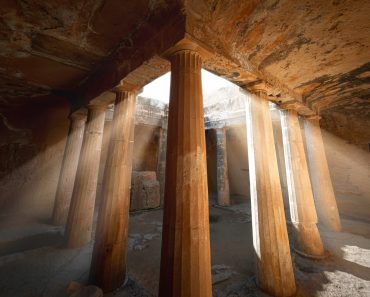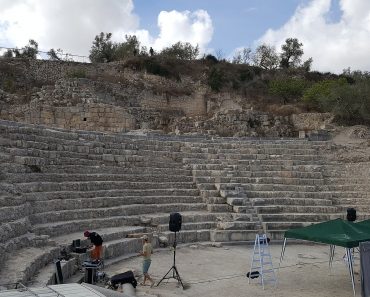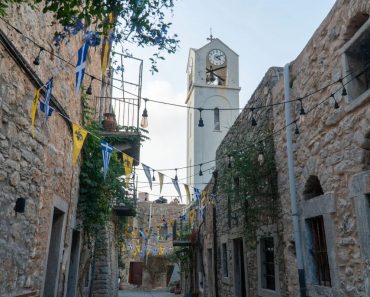


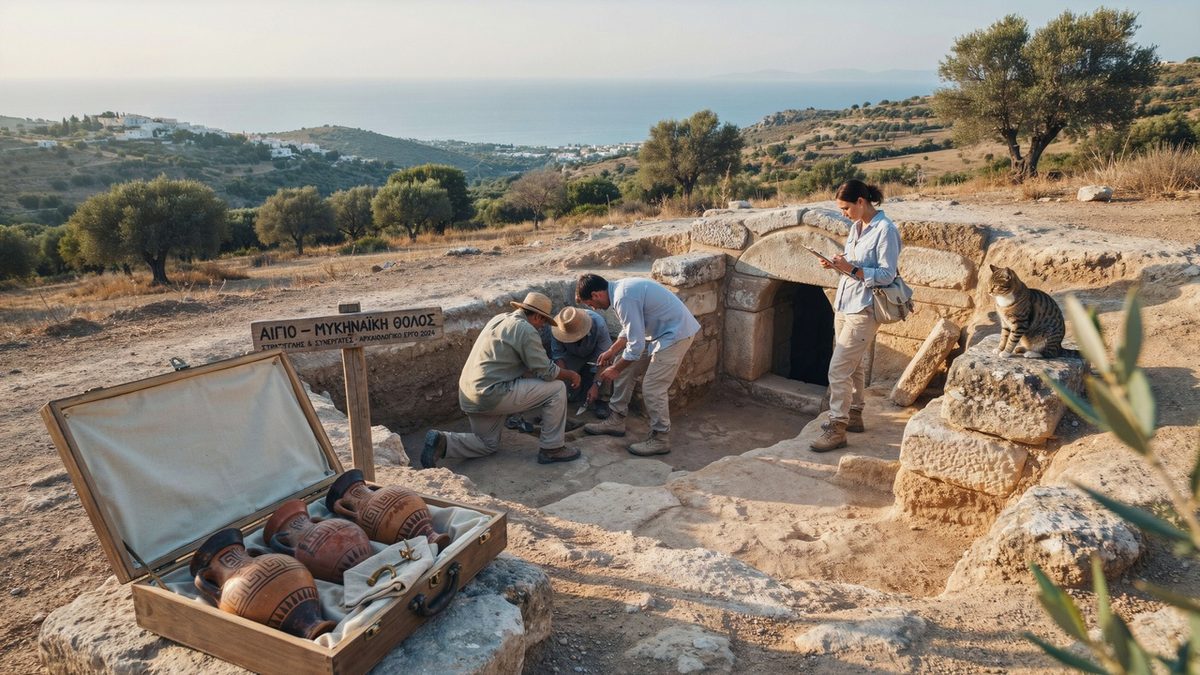
Image generated with Ai
Italy Leads Europe’s Ancient Heritage Revival As Greece, Germany And Austria Unite To Unlock Mycenaean Secrets For Future Travellers.Italy is emerging as a key force in Europe’s growing heritage tourism movement as researchers join Greece, Germany and Austria to study one of the most important Mycenaean discoveries of recent years.
The discovery of an untouched chamber tomb near Aigio in western Greece has created a new opportunity to connect Mediterranean countries through ancient history, archaeology and cultural travel.
The discovery at the Trapeza plateau, identified with the ancient city of Rhypes, revealed jewellery, bronze objects and large collections of intact pottery dating back to the Mycenaean period. While Greece remains the centre of the excavation, the research involvement of Italy, Germany and Austria transforms the discovery into a wider European heritage story.
For travellers, this means a new generation of cultural journeys could emerge, linking archaeological sites, museums, universities and ancient civilisation routes across Europe.
Advertisement
Advertisement
Greece Unlocks A Hidden Mycenaean World And Strengthens Heritage Tourism
Greece is at the centre of this archaeological milestone after experts uncovered a previously untouched Mycenaean chamber tomb near Aigio, in the Achaea region of western Greece. The tomb, identified as Tomb 9, was found without evidence of looting and contained preserved burial objects that provide rare insight into ancient Mycenaean society.
The cemetery was used for centuries from the 14th century BC until the end of the Mycenaean world in the late 12th century BC. Researchers believe it served generations of the same family line, with members of one clan buried together.
This discovery strengthens Greece’s position as a global destination for archaeology tourism. While Athens, Delphi and the Acropolis remain major attractions, western Greece could gain increased attention from travellers seeking authentic historical experiences.
Visitors could explore:
Advertisement
Advertisement
- Mycenaean archaeological sites
- Ancient Greek settlements
- Local museums
- Heritage trails connecting Achaea with other historic regions
The discovery also supports Greece’s strategy of expanding tourism beyond traditional hotspots and encouraging visitors to explore lesser-known destinations.
Italy Connects Mediterranean Civilisations Through Archaeological Expertise
Italy’s role in the discovery creates a powerful cultural connection between two of Europe’s most important heritage destinations.
Researchers from the University of Udine in Italy are involved in studying the nearby prehistoric settlement connected with the Mycenaean cemetery. Elisabetta Borgna, professor at the University of Udine, is leading research cooperation with Greek archaeologists at the site.
This involvement highlights Italy’s long-standing expertise in archaeology, conservation and historical research.
Italy already attracts millions of visitors through destinations such as Rome, Pompeii, Sicily and Sardinia. The connection with Greece’s Mycenaean discovery provides a new opportunity to promote Mediterranean cultural journeys.
Future travellers could benefit from:
- Combined Italy-Greece archaeology tours
- Ancient Mediterranean cruise routes
- Museum partnerships
- University-led cultural experiences
- Heritage-focused travel programmes
The discovery strengthens the idea that Mediterranean history should not be viewed through separate national borders. Instead, it represents a shared civilisation story shaped by trade, migration and cultural exchange.
Germany Brings Scientific Research Power To Ancient Discovery
Germany is playing an important role in analysing the secrets hidden inside the Mycenaean tomb. Samples from the excavation have been sent to Leipzig for scientific analysis to help researchers understand relationships among the individuals buried inside the tomb.
This scientific approach allows archaeologists to move beyond discovering objects and uncover deeper human stories.
Modern archaeological research now combines:
- Laboratory analysis
- Ancient DNA studies
- Material examination
- Historical interpretation
Germany’s participation demonstrates how advanced research technology is helping transform ancient discoveries into detailed historical records.
For travellers, this creates a stronger connection between archaeological locations and scientific storytelling. Museums and heritage centres can provide visitors with deeper explanations about ancient communities, family structures and daily life.
The result is a more immersive tourism experience where visitors do not simply see ancient objects but understand the people behind them.
Austria Supports Mycenaean Research Through Ancient Pottery Expertise
Austria is also connected to the discovery through specialist knowledge of Mycenaean pottery research. Rainer Jung, a Mycenaean pottery specialist from Vienna, is contributing to the archaeological work connected with the site.
Pottery plays an important role in understanding ancient civilisations because it reveals information about:
- Trade networks
- Manufacturing techniques
- Cultural connections
- Daily life
Austria’s involvement highlights the importance of international expertise in protecting European heritage.
For travellers, this cooperation could encourage new cultural routes connecting museums and archaeological collections across Austria and Greece.
Visitors interested in ancient history may increasingly seek educational tourism experiences where they can explore how researchers discover and preserve the past.
Türkiye Gains Attention Through The Wider Aegean Civilisation Story
Although the excavation is located in Greece, the discovery also connects with the wider Aegean world, including modern Türkiye.
The Mycenaean civilisation developed within a region shaped by maritime connections, trade routes and cultural exchange. Western Anatolia, now part of Türkiye, was an important area in the ancient Aegean network.
This creates opportunities for Türkiye to promote its own archaeological destinations as part of a wider ancient civilisation journey.
Travellers interested in Bronze Age history could explore:
- Ancient Aegean settlements
- Coastal archaeological sites
- Historic maritime routes
The discovery reinforces that ancient Mediterranean history was interconnected, with communities exchanging goods, ideas and traditions across seas.
Cyprus Strengthens Its Place In Mediterranean Heritage Tourism
Cyprus is another country connected to the broader Bronze Age Mediterranean story.
During the ancient period, Cyprus played an important role in regional trade because of its strategic location between the eastern Mediterranean and Aegean worlds.
The Mycenaean discovery creates renewed interest in how ancient societies interacted across the Mediterranean.
For Cyprus tourism, this supports growing demand for:
- Archaeological holidays
- Ancient trade route experiences
- Museum tourism
- Cultural heritage exploration
Travellers are increasingly searching for destinations that offer deeper historical meaning rather than only traditional sightseeing.
European Cooperation Creates A New Future For Heritage Travellers
The Mycenaean tomb discovery shows how archaeology is becoming a powerful tourism driver connecting multiple countries.
Greece provides the archaeological location.
Italy contributes research cooperation.
Germany supports scientific analysis.
Austria provides specialist expertise.
Türkiye and Cyprus represent the wider Mediterranean civilisation network.
Together, these countries create a broader heritage tourism narrative that can attract travellers interested in history, culture and authentic experiences.
The future traveller may not simply visit one ancient site. Instead, they may follow complete civilisation routes across borders, exploring how ancient societies influenced each other.
Travellers Could Benefit From A New Mediterranean Cultural Travel Era
The discovery of the Mycenaean tomb near Aigio represents more than an archaeological achievement. It highlights a future where heritage tourism becomes increasingly connected, educational and international.
Travellers can expect:
- More archaeology-focused tours
- Stronger links between museums and destinations
- New cultural routes across Europe
- More immersive historical experiences
- Greater access to lesser-known ancient sites
As Greece, Italy, Germany and Austria continue collaborating, this discovery could become a symbol of how Europe’s shared past creates new opportunities for future travel.
The ancient world may be thousands of years old, but its stories are creating a new tourism journey for modern travellers.
Advertisement
Advertisement