
Kavakos returns to lead Lotte Concert Hall’s summer festival under the theme ‘Origin’
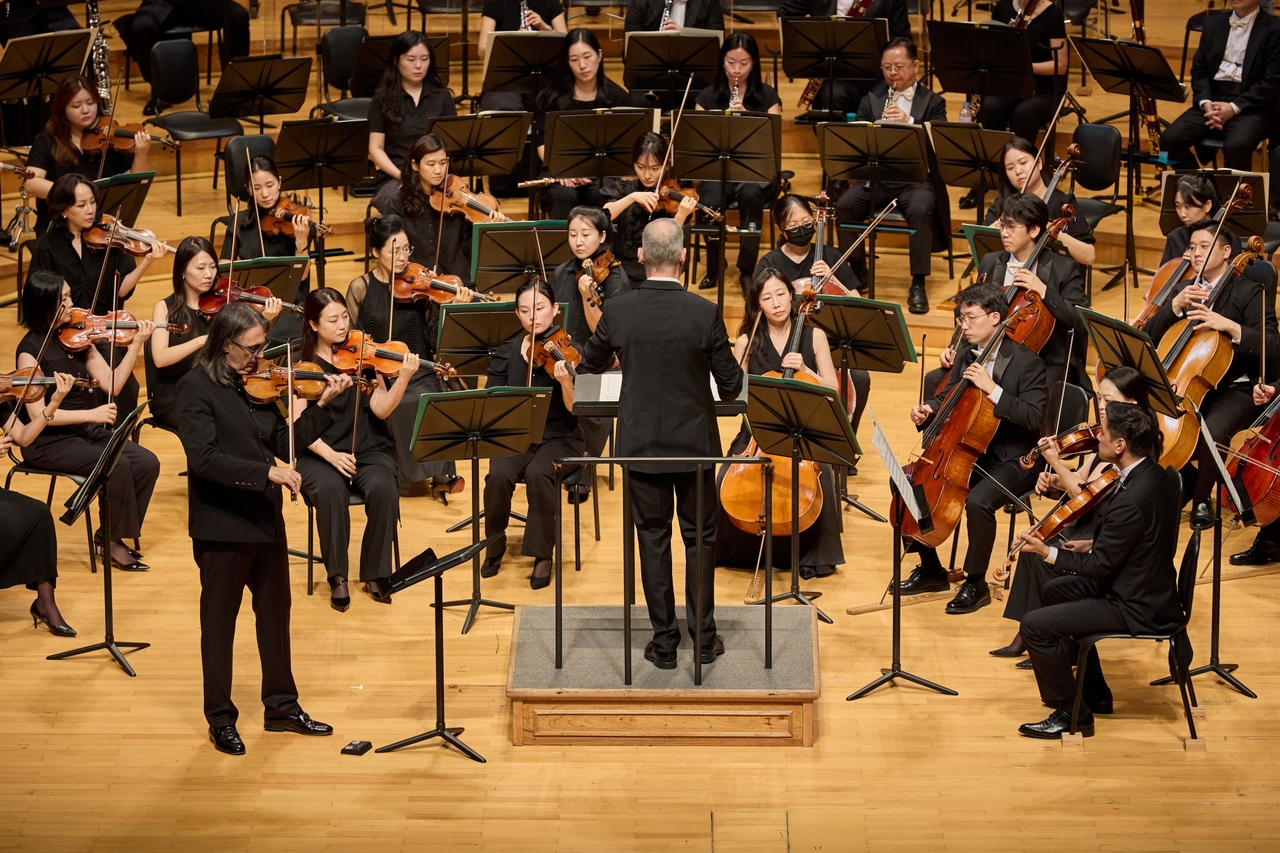
Classic Revolution, the annual summer classical music festival organized by Lotte Concert Hall, will trace the canon back to its folk roots this year, gathering some of the world’s busiest performers under the theme “Origin: From Folk to Classic.”
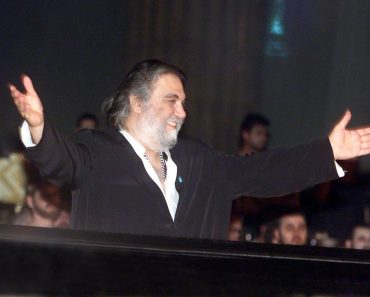
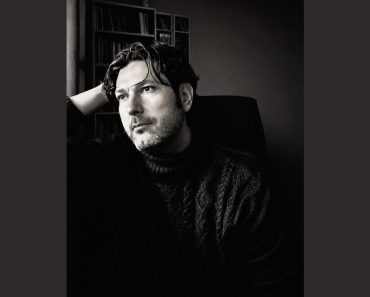
From Aug. 28 to Sept. 4, the festival presents seven concerts, balancing orchestral programs with chamber music and solo recitals. Greek violinist and conductor Leonidas Kavakos returns as artistic director for a second year, after leading last year’s “Spectrum: From Bach to Shostakovich.”
The theme Kavakos chose, “Origin,” turns attention to the folk music and cultural traditions that underlie the classical canon, and to how composers folded their own roots into their work.
“Many of today’s most beloved classical works were born out of folk melodies and traditional music,” Kavakos said, adding that composers have remained “continually connected to the cultural heritage handed down by earlier generations.”
“The festival is a chance to look back at where classical music began and at the traditions and communal values it carries,” he added.
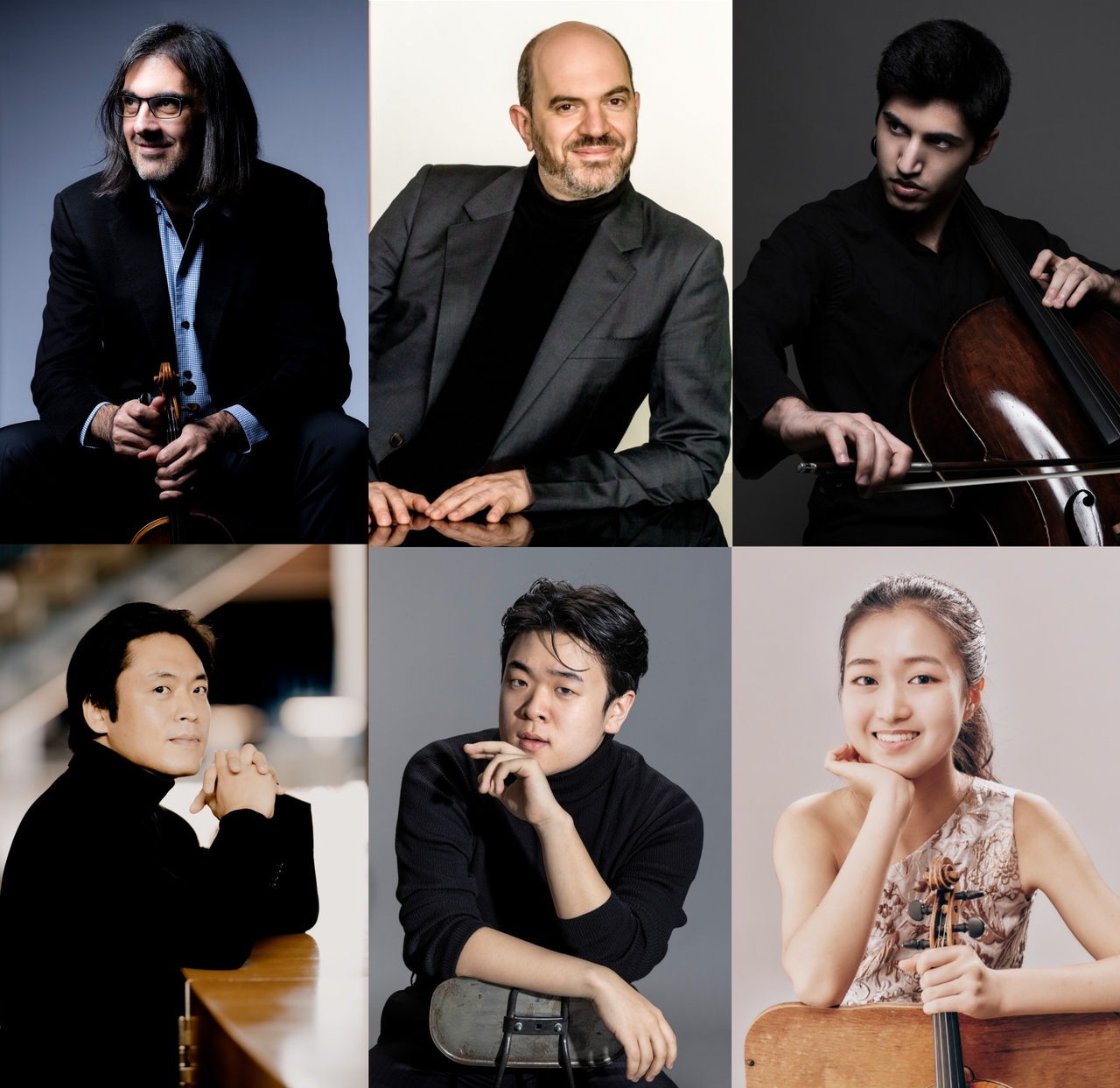
The cast draws heavily on the most in-demand players of the moment: Bachtrack, the classical listings site, ranked pianist Kirill Gerstein as the busiest pianist of 2025, Kavakos as the fourth-busiest violinist and cellist Kian Soltani as the third-busiest cellist. All three appear across the festival week.
Several artists turn up in more than one role. Kavakos leads orchestras and joins chamber programs as both conductor and violinist, while pianist Kim Sun-wook — increasingly active on the podium — both conducts and plays chamber music over the week. Gerstein and Soltani, too, move between concerto, recital and ensemble settings.
The festival opens on Aug. 28 with the Korean National Symphony Orchestra under Andrey Boreyko and cellist Kian Soltani, in a program that maps out the theme with Kodaly’s “Dances of Galanta,” Dvorak’s Cello Concerto in B minor and Bartok’s Concerto for Orchestra. Bartok and Kodaly collected and studied Hungarian folk songs and reworked them into art music, while Dvorak built a voice of his own out of Czech folk idiom.
On Aug. 29, Kim Sun-wook conducts the Gyeonggi Philharmonic Orchestra in Dvorak’s Symphony No. 8.
Chamber music, the second pillar of the festival, gets two full programs: Aug. 30 brings together Kavakos, French violist Antoine Tamestit, Soltani and Kim Sun-wook on piano for Smetana’s Piano Trio in G minor and Brahms’ Piano Quartet No. 2 in A major.
The second program on Sept. 2 leans into the festival’s blend of generations. Kavakos joins violinist Kim Seo-hyun, the youngest-ever winner of the 2023 Tibor Varga Competition, and cellist Han Jae-min, who took the Grand Prix at the 2021 George Enescu Competition, along with Tamestit, violist Kim Kyu-hyun, cellist Moon Woong-whee and Kim Sun-wook. They perform Dvorak’s String Sextet in A major and his Piano Quartet No. 2 in E-flat major.
Two recitals put the soloists front and center. On Sept. 1, Kavakos and Gerstein play a duo program built around Bartok’s Violin Sonata No. 2 in C major, following folk music as it stretches into 20th-century language. On Sept. 3, Gerstein returns alone for an all-Liszt recital, from the “Petrarch Sonnets” to the Sonata in B minor.
The festival closes Sept. 4 with Kavakos conducting the Suwon Philharmonic Orchestra and Gerstein in Brahms’ Piano Concerto No. 1 in D minor and Symphony No. 1 in C minor.
Ticket prices range from 20,000 to 80,000 won, with all concerts held at Lotte Concert Hall in Jamsil, eastern Seoul. Founded in 2020, Classic Revolution has previously spotlighted Beethoven in 2020, Brahms and Piazzolla in 2021, Mendelssohn and Korngold in 2022 and Bernstein in 2023. In 2024, the festival gathered five domestic orchestras, and last year it explored Bach and Shostakovich.
gypark@heraldcorp.com