
Pushing past the limits of his body and the discipline of classical ballet, Bolshoi principal Igor Tsvirko surrenders himself to the music of Mikis Theodorakis, dancing the iconic role of Zorba.
Known worldwide for his passion and captivating energy, the internationally acclaimed soloist talks about the experience of dancing Zorba, his connection with Cypriot audiences, and how a star of classical ballet transforms into a symbol of absolute freedom.
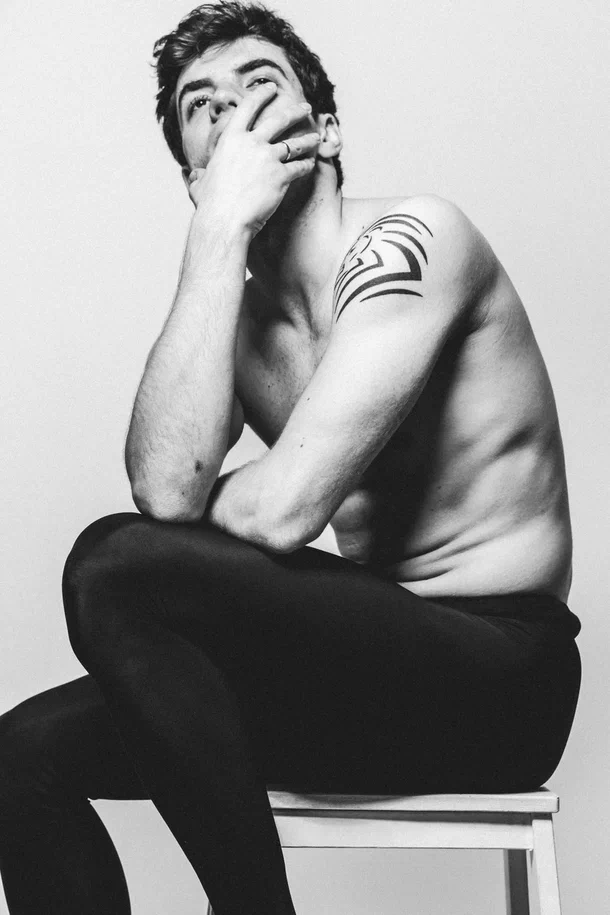
How do you, as a classical ballet dancer, manage to let go and embody a character like Zorba?
The performance of the Greek Zorba is the spirit of freedom. As a classical dancer, I like to go beyond the usual limits of my body and try a different style of dance. It’s a wonderful experience for me to touch the history of Greece through dance.
Before taking on the role, had you read Nikos Kazantzakis’ novel or watched the film? Which aspect of Zorba’s character fascinated you the most?
I watched a movie with Anthony Quinn, and I think it served as a prototype for my image. Quinn’s Zorba is a serene man who loves dance and women. This is close to me, because life is the breathing of your lungs to music.
Do you think you share any personality traits with Zorba?
Every time Theodorakis’ music is played, it’s like I’m reborn into a Greek who loves women, air and wine. Zorba is better than me because he is a free man, able to do what he wants and go where he wants. I dream of such a state, so the opportunity to embody Zorba on stage is a dream come true.
Among all the roles you have danced, where does Zorba stand in your heart? What has it given you as an artist?
When I danced this performance for the first time, I realised that I had been waiting for this role for a very long time. On stage I can be myself: smile, have fun, rejoice, cry and dance. For me, the role of Zorba is as important as Spartacus or Ivan the Terrible.
The finale of the performance, with the famous sirtaki, is a moment of intense interaction with the audience. How do you experience this unique connection with the spectators?
This is the culmination of the ballet. It is the synergy between the dancer and the audience. It’s a catharsis that every artist dreams of experiencing: to do something meaningful and receive a warm round of applause. It’s a moment of absolute happiness.
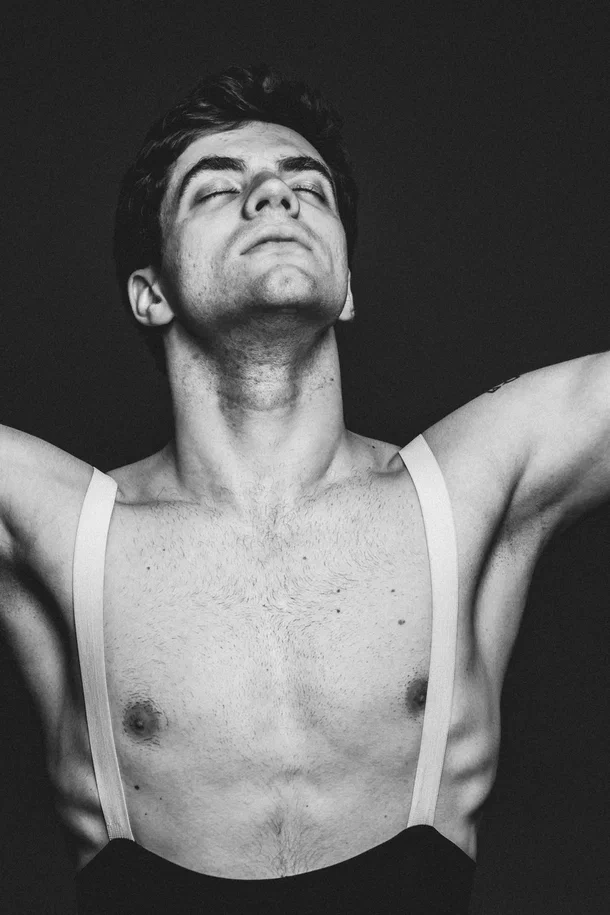
Did the production’s choreographer and director, Lorca Massine, give you the freedom to bring your own interpretation and personal nuances to the role?
Lorca Massine gave me a clear choreographic foundation, but urged me to build the role starting from myself. Each dancer gives his own version of Zorba, which is why every new interpretation of the same role is unique, even though it’s based on the same choreography.
You’re returning to Cyprus, this time to the Pattihio Amphitheatre in Larnaca. How does it feel to perform a work in front of an audience that knows and loves Zorba?
It’s wonderful. It’s always a joy and an honour to perform in the land of ancient Greece, where the myths and the gods were born. Dancing Zorba to the music of a Greek composer is a great honour but also a great responsibility. Above all, though, I’m looking forward to the finale, that union of the ballet with the audience’s applause.
You’ve previously performed at the Ancient Theatre of Kourion and Paphos Castle. What makes these venues so special?
The atmosphere. Of course, performing in an open-air venue is demanding, because there are many factors different from an indoor stage: the air, the light, the humidity on stage. But none of these details compare to the feeling and joy of dancing in front of an audience inside ancient theatres.
In recent years you’ve also been working professionally as a producer. What led you to that decision?
I like creating something beautiful, good and distinctive for the audience. Sharing my view of the world of art with them, and conveying it through my productions.
Beyond Zorba, what are your next artistic dreams or plans that you’d like to share with us?
I’m planning to present various projects over the next two years: a tribute to Anna Pavlova, the ballet Cyrano de Bergerac, Don Juan, as well as concerts dedicated to the legendary dancer Mikhail Lavrovsky. I also want to create a work for children. And that’s only some of all the ideas I have.
How do you balance preparing your own productions with your career as a dancer?
It’s not easy. I get very tired, because every production is constantly on my mind. I’m always looking for solutions to make a performance good and interesting. There’s no real balance. Perhaps only discipline and a strong team can help.
Do you think today’s ballet education system needs to evolve, or do you think it already works well?
I believe the system needs to change. But for it to change, a proper and professional proposal is needed. Society has to contribute to that, otherwise ballet risks disappearing much sooner than we’d like.
- INFO: The performance “Zorba the Greek” is staged by the Sofia National Ballet on July 29 and 30 at the Pattihio Municipal Amphitheatre in Larnaca, at 9pm. Tickets: Ticketmaster.cy and ACS couriers.