

Aphrodite’s story begins in ancient Cyprus, where she was worshipped as a deity of universal powers (or all-powerful deity) simply known as ‘The Goddess.’
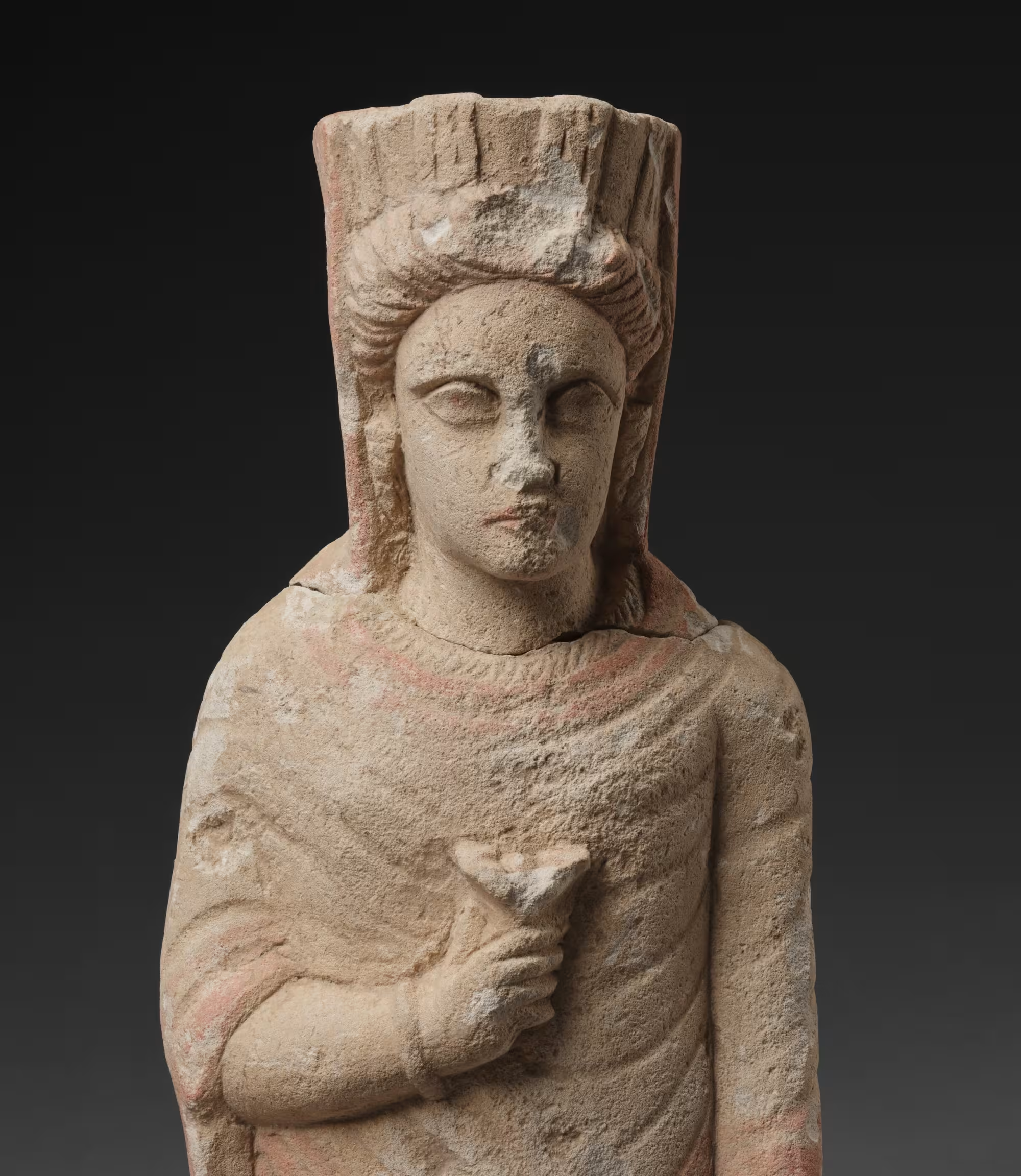
‘In her earliest form, Aphrodite’s role was far broader than the love and beauty with which she later became associated,’ said Dr Ulbrich. ‘She was responsible for everything that is important for life to flourish, from crops and vegetation, to childbirth and copper mining.’
Within a space evoking an ancient Cypriot open-air sanctuary, remarkable archaeological finds, including votive figures and offerings, reveal how worshippers honoured the goddess and the many, (sometimes rather strange) forms in which she was represented.
But neither the goddess nor her image remained static. Cyprus stood at a crossroads between the Near East, Egypt and the Aegean, and centuries of trade and migration brought new religious influences from all these regions to the island. Among them were Middle Eastern goddesses, including Ishtar and her Canaanite-Phoenician counterpart Astarte, both associated not only with love, sex and fertility, but also war. The votive figures displayed in the sanctuary show how these traditions mingled with local beliefs, with the Cypriot goddess absorbing new attributes and ways of being represented.
When Greek migrants arrived in Cyprus, they adopted the island’s goddess into their own pantheon as Aphrodite, transforming her into the figure who would become central to Greek mythology.
‘Aphrodite’s role went from all-encompassing to being one goddess among several others, with an increasingly limited remit and codified imagery,’ said Dr Ulbrich.
Yet her popularity and influence did not diminish. Instead, stories about Aphrodite as well as her images and worship proliferated across the Greek and Roman worlds.