
For those less familiar with fantasy books in general, it can seem like a daunting task to find a digestible entry point into the genre. There are certain aspects of fantasy that may seem intimidating to prospective readers. Thick novels, seemingly never-ending series, vast worlds, each with their own rules to learn.
The truth is, fantasy doesn’t require that level of commitment if one doesn’t wish to give it. The standard fantasy series can require a lot of time to finish, but the genre is broad enough to accommodate those who just want to dip their toes in the water. Fantasy can also cross over with nearly every other genre; one’s readers may naturally gravitate to it without even realizing it.
The Princess Bride Comically Cuts Through the Fantasy Fat
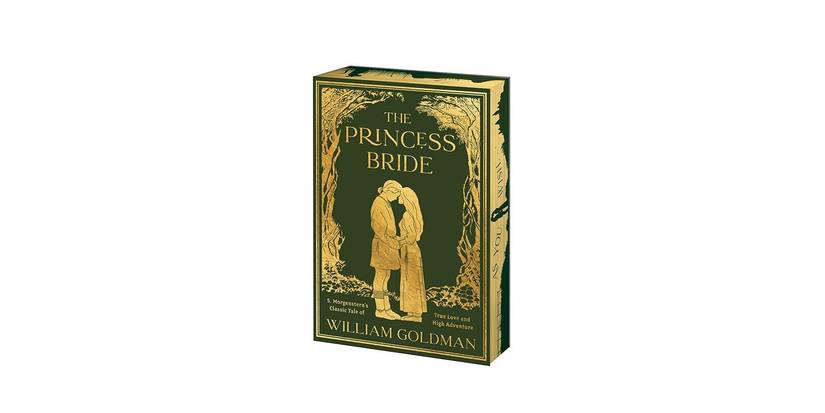
Many will be more familiar with Rob Reiner’s 80s cult-classic film adaptation, but William Goldman’s The Princess Bride is a much stranger book than its reputation might suggest. Goldman wrote the book as if he were editing a pre-existing story. Fictional author S. Morgenstern wrote the original tale, and Goldman’s work is to cut out the boring parts.
The Princess Bride unfolds like a light-hearted parody of fantasy as Goldman intentionally forgoes the expansive political histories and world-building. Goldman also wrote the screenplay for Reiner’s film, which is why the movie keeps much of the book’s humor intact. It’s a comical, straightforward adventure that any reader can enjoy.
The Once and Future King Bridges Mythology and Fantasy
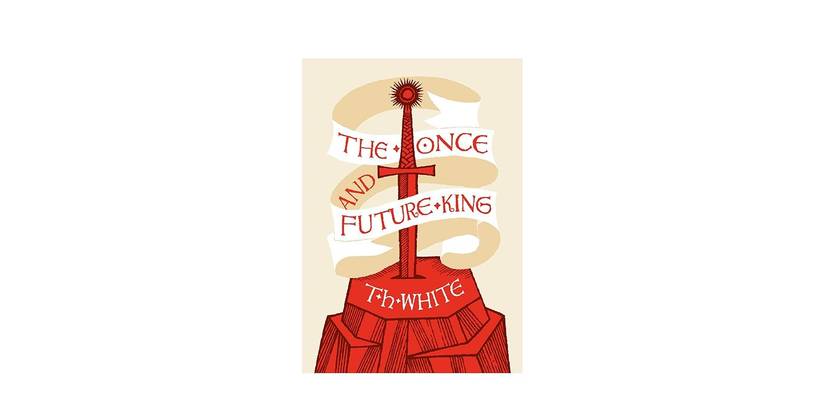
For readers who are wary of diving into a novel or series with a vast world-building learning curve, it may be easier to tackle material that builds on a familiar foundation. T.H. White’s The Once and Future King does exactly that with King Arthur, Merlin, and the Knights of the Round Table. Even without reading previous Arthurian literature, the concepts are so embedded in pop culture that it’s an easy follow.
White drew from Le Morte d’Arthur,but rehashes the story through a more modern lens. The Once and Future King inspired Disney’s 1963 animated classic, The Sword in the Stone. White’s use of familiar mythological figures and concepts lends itself well to a reader looking to dive into the genre.
The Ocean at the End of the Lane Offers Fantasy Realism in a Single Sitting
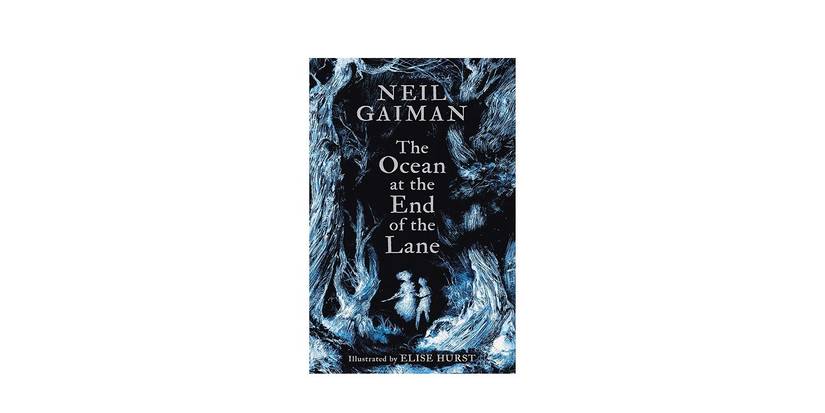
Released in 2013, Neil Gaiman’s The Ocean at the End of the Lane is a relatable, nostalgic, and sometimes tragic exploration of childhood that will hook readers of any genre. The story takes place in rural England as an unnamed narrator, returning for a funeral, begins to recall strange events that happened there during his childhood. At under 200 pages, it’s a swift and worthwhile read.
The Ocean at the End of the Lane started as a short story, but eventually became a novel. Gaiman used real, traumatic experiences from his own childhood to give the story a grounded foundation filled with real emotion. There are supernatural encounters and fantastical elements, but the book works just as much as a story about navigating troubles as a child.
The Song of Achilles Tackles Familiar Territory Through a Classic Myth
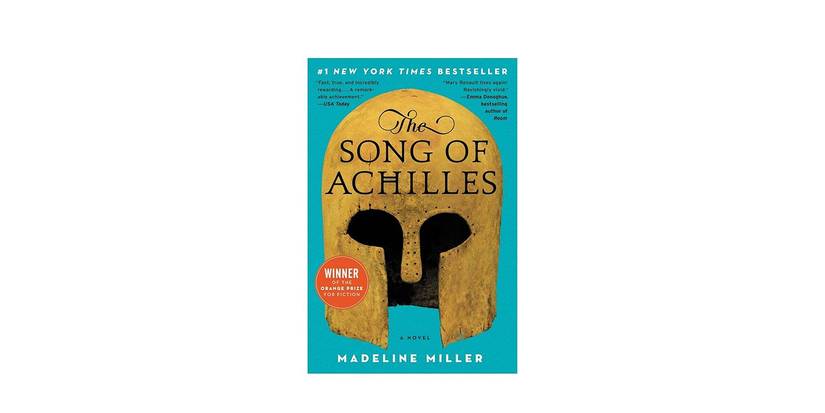
Madeline Miller’s The Song of Achilles takes one of the most popular tales in classical Greek mythology and wraps it in an extremely character-driven story. Just like the potential appeal of The Once and Future King, the characters and locations used here are innately familiar due to the lasting influence of Greek mythology. The stories of Achilles, Helen of Troy, Hector, and the Trojan War have been retold for centuries.
Released in 2011 by Bloomsbury Publishing, The Song of Achilles won the 2012 Orange Prize for Fiction. Its success led to Madeline Miller becoming a New York Times bestseller. The book blends mythology, historical fiction, romance, and fantasy without becoming too overwhelming.
The Green Mile Blends Low Fantasy and Gritty Southern Gothic Masterpiece
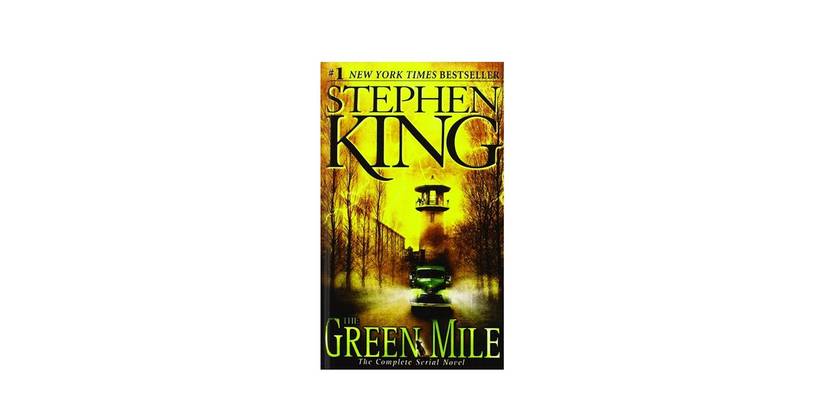
Stephen King’s The Green Mile disguises its dark fantasy elements in a grounded, dirty Southern Gothic binding. For the most part, it reads like historical crime fiction — until it doesn’t. John Coffey’s unnatural abilities introduced the supernatural and the fantastical in an otherwise standard Southern setting. There’s no magical system in The Green Mile; Coffey’s abilities just exist.
King first released The Green Mile as a six-part serialized novel. Each one of them became a New York Times bestseller before being collected into a single volume. Famously, the book resulted in the Tom Hanks-led film adaptation in 1999. For readers looking for minimal fantasy elements, The Green Mile is perhaps the best option.
Good Omens Offers Humor and Satire Over High Fantasy Lore
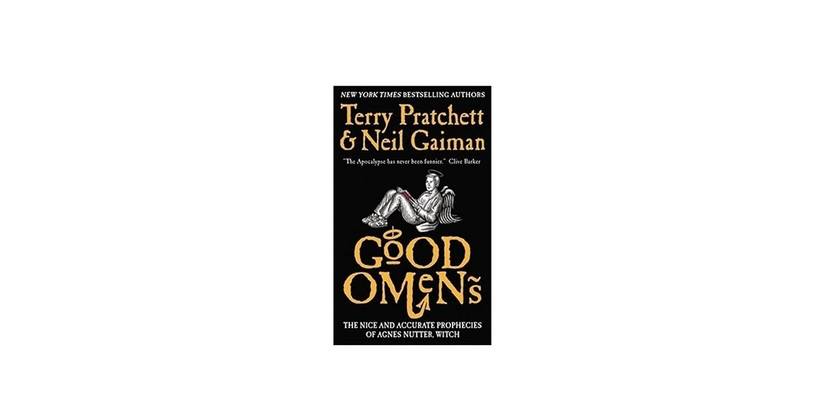
Writing titans Terry Pratchett and Neil Gaiman teamed up for 1990s Good Omens. Its success ultimately led to a TV series based on the novel. The book offers a welcoming premise that appeals to readers outside the fantasy genre. Angels, demons, the Antichrist, and the end of the world are common tropes that appear across film, television, books, stage plays, and beyond.
Good Omens takes a comedy-first approach, parodying society, modern life, and religion. The story takes place in England rather than a far-off fantasy world. It clearly draws from biblical mythology, which requires little explanation.
The House in the Cerulean Sea Injects a Mundane Framework With Cozy Fantasy
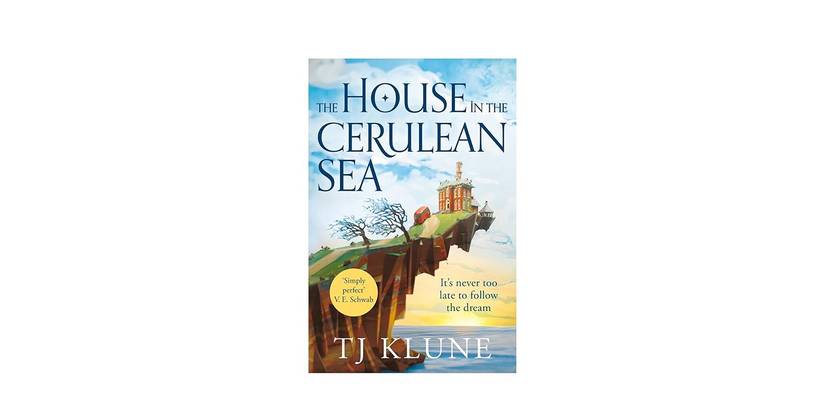
T.J. Klune’s The House in the Cerulean Sea became a hit after reaching viral status on social media. The word-of-mouth momentum led to the book appearing on the New York Times bestseller list. The novel’s small-scale story and familiar workplace dynamic make it a stress-free entry point for non-fantasy readers.
The House in the Cerulean Sea focuses on caseworker Linus Baker, a government employee tasked with investigating an orphanage for magical children. The supernatural elements come from the children themselves, but the heart of the story is Baker’s job and his eventual resentment for it. The novel prioritizes relationships and a sense of family over world-building and magical systems.
Jonathan Strange & Mr. Norrell Treats Fantasy More Like Alternative History
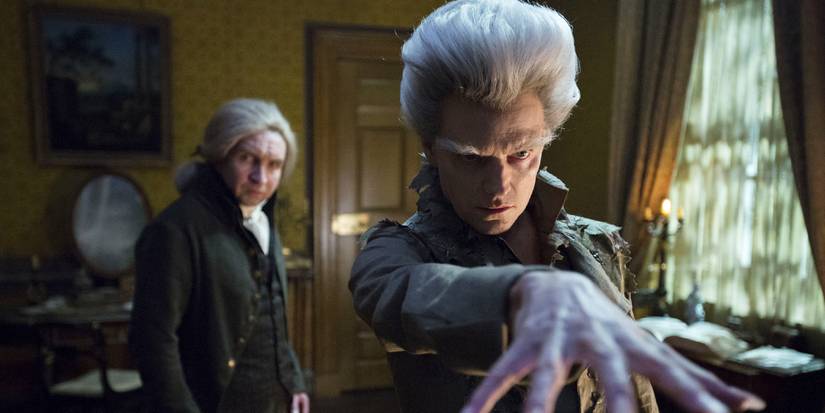
Susanna Clarke’s 2004 novel Jonathan Strange & Mr. Norrell is perfect for readers looking to dive into fantasy because it seamlessly integrates magical concepts into real-world history. The story takes place during the Napoleonic Wars and follows two magicians with clashing philosophies on how magic should be practiced. In Clarke’s world, magic has always existed in some capacity, and it’s now returning.
Jonathan Strange & Mr. Norrell will appeal to readers of historical fiction, as it offers a unique twist on the past. In 2005, the book won the Hugo Award for Best Novel. Eventually, it was adapted into a BBC miniseries in 2015. While it comes in at over 700 pages, readers of other genres will find it feels surprisingly familiar despite the fantastical aspects.
The Hobbit Pairs a Fast-Paced Adventure With a Relatable Protagonist
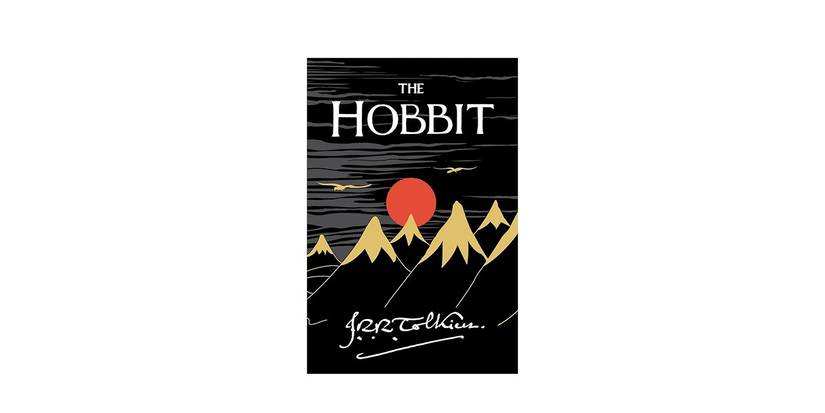
The Hobbit didn’t become one of the best-selling fantasy books of all time by appealing exclusively to readers of the genre. Released in 1937, J. R. R. Tolkien’s masterpiece excels because it works as a fantastic piece of literature first. The book sold out of its first printing in months because of its deeply human, adventure-filled story.
Bilbo Baggins is what makes The Hobbit relatable. Bilbo values his home, comfort, and food. There are plenty of fantastical creatures and events that occur throughout Bilbo’s journey, but he endures because he ultimately wants to return home. It’s an ideal introduction to the genre, and its appeal extends beyond fantasy itself.
The Neverending Story Places the Reader Directly Into the Fantasy
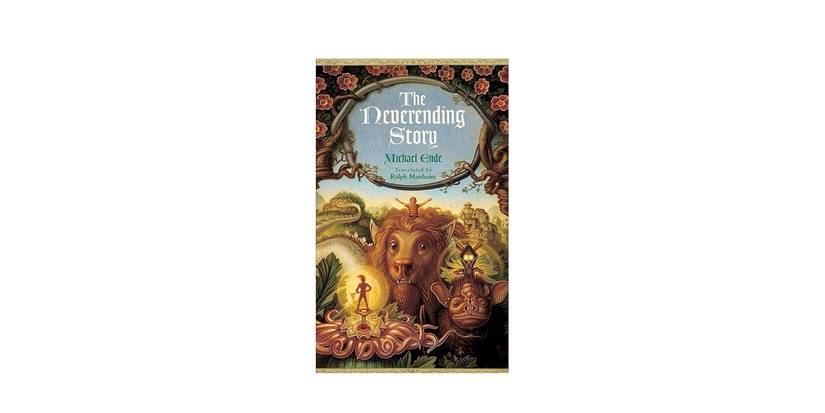
There’s perhaps no better way for a reader to get into the genre than having the author put them there himself. Michael Ende does this masterfully in 1979’s The Neverending Story. Ende structures the book so that the act of reading becomes part of the fantasy itself. The protagonist, Bastian, slowly discovers that the characters within the story he is reading are actively aware of him.
Many people were introduced to The Neverending Story through the 1984 film. The movie only covers roughly the first half of Michael Ende’s novel. Ende famously disliked the movie and wished to have his name removed from it. The book tells a larger tale about the power of storytelling and the connection between the reader and the page, which fans of any genre can appreciate.