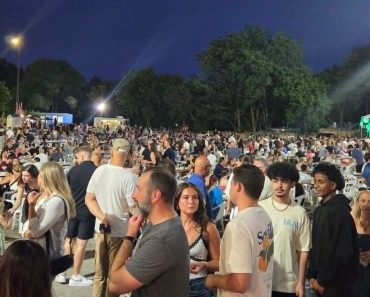

BERKELEY, Calif. — Plenty of Grateful Dead and other jam-band shirts dotted the crowd Wednesday night at the Greek Theatre, an appropriate sight for a venue with deep ties to roots music, rock and improvisation.
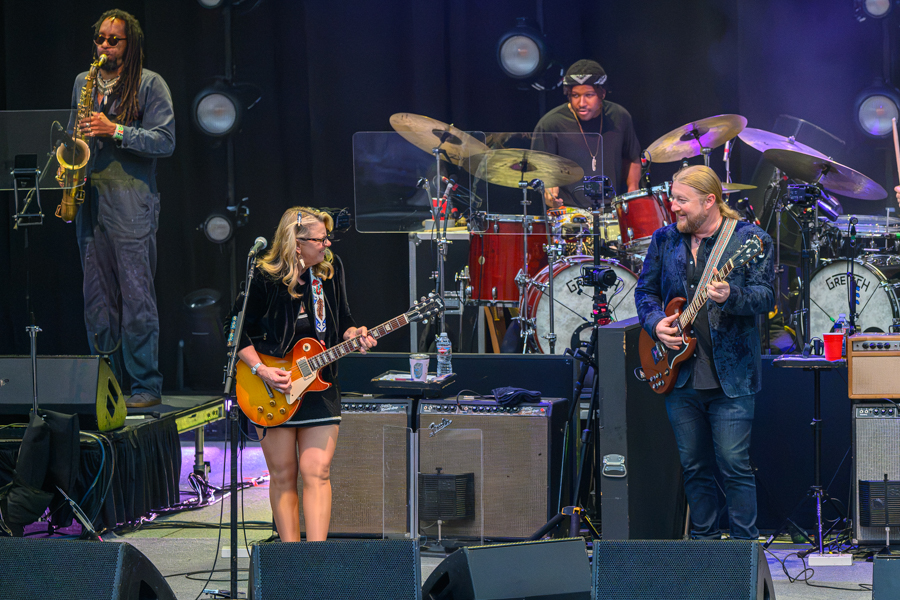
Tedeschi Trucks Band brought its sprawling ensemble to Berkeley for nearly two and a half hours of blues, Southern rock, funk, soul, gospel and jazz-inspired improvisation. Led by married guitarists and vocalists Susan Tedeschi and Derek Trucks, the group moved between tightly arranged songs, extended instrumental passages and loose jams without sacrificing the precision that defines its live shows.
The performance pulled from across the band’s catalog, including Revelator, I Am the Moon and 2026 album Future Soul.
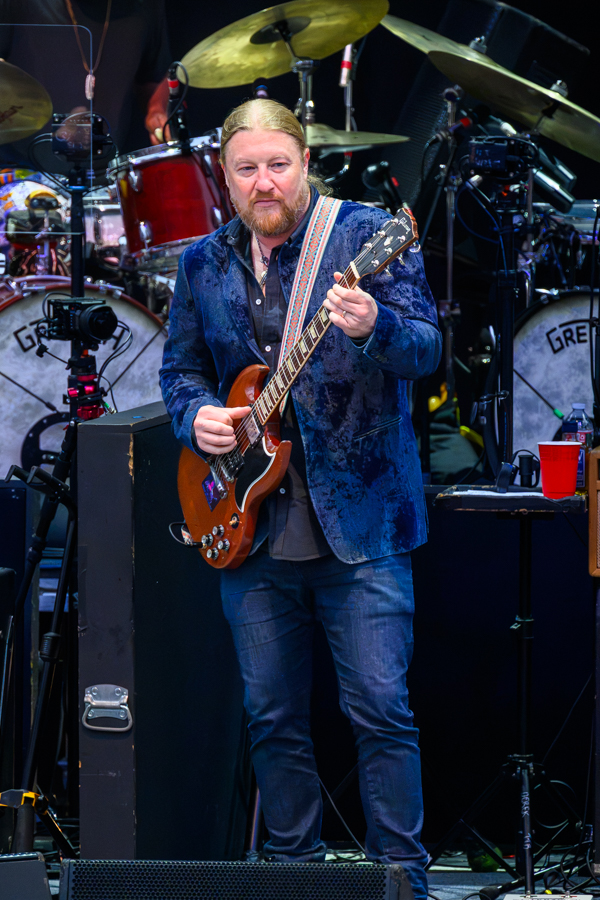
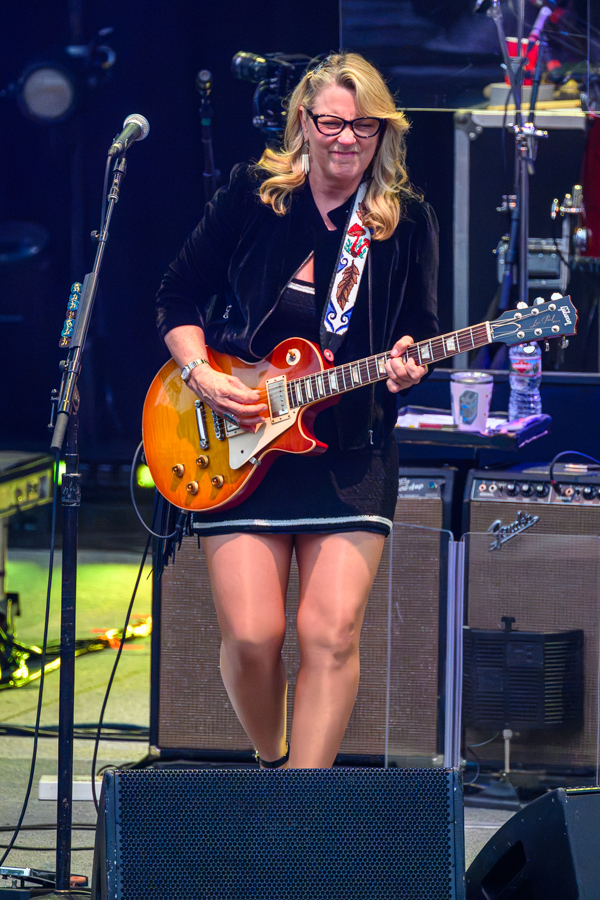
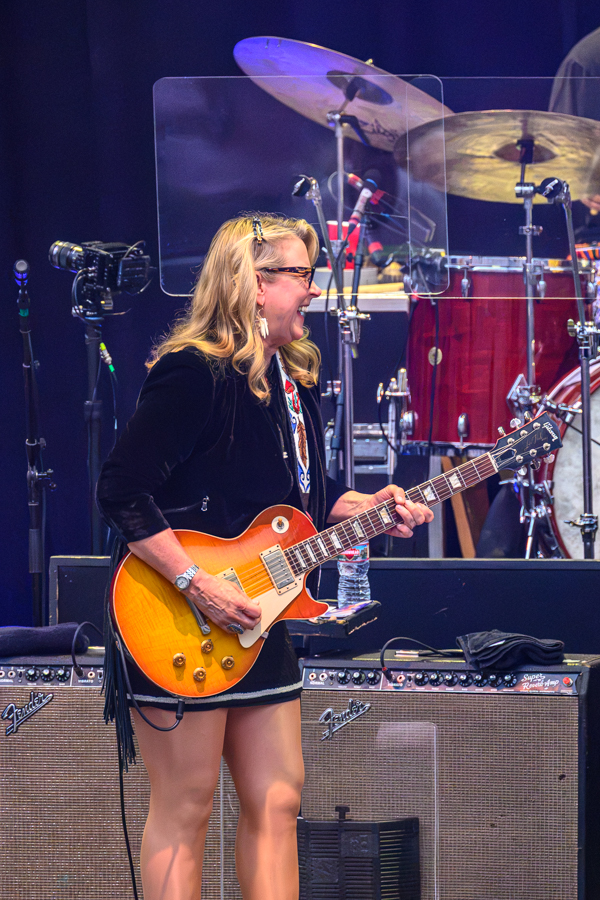
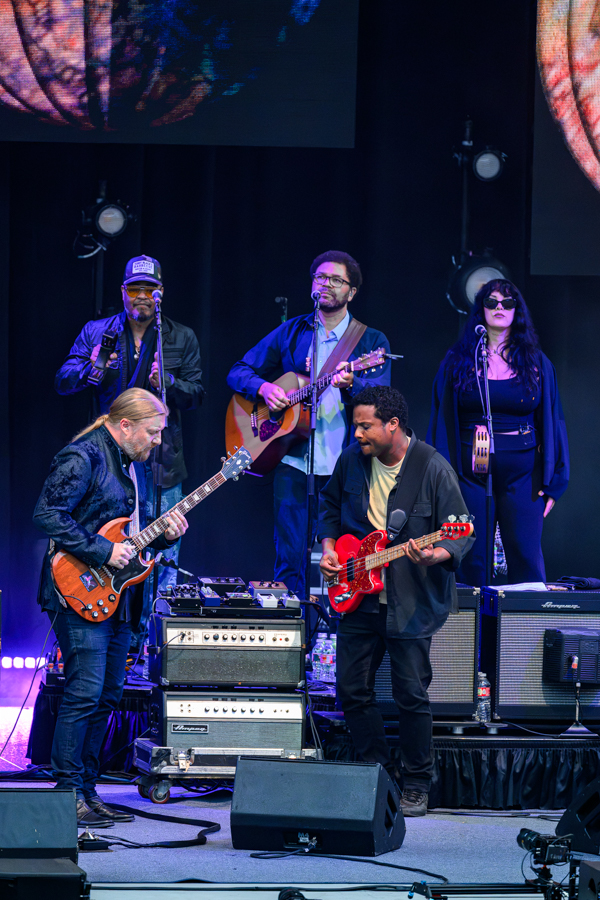
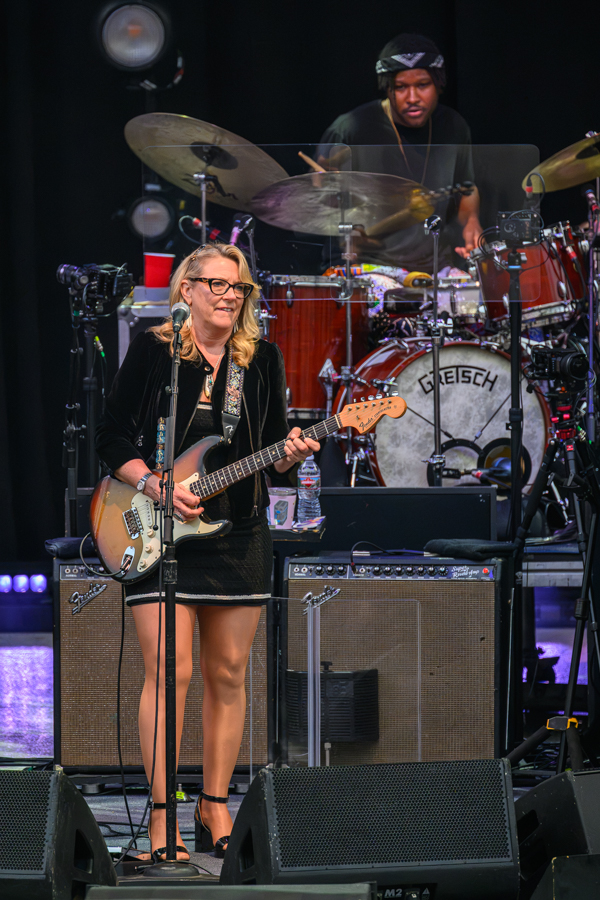
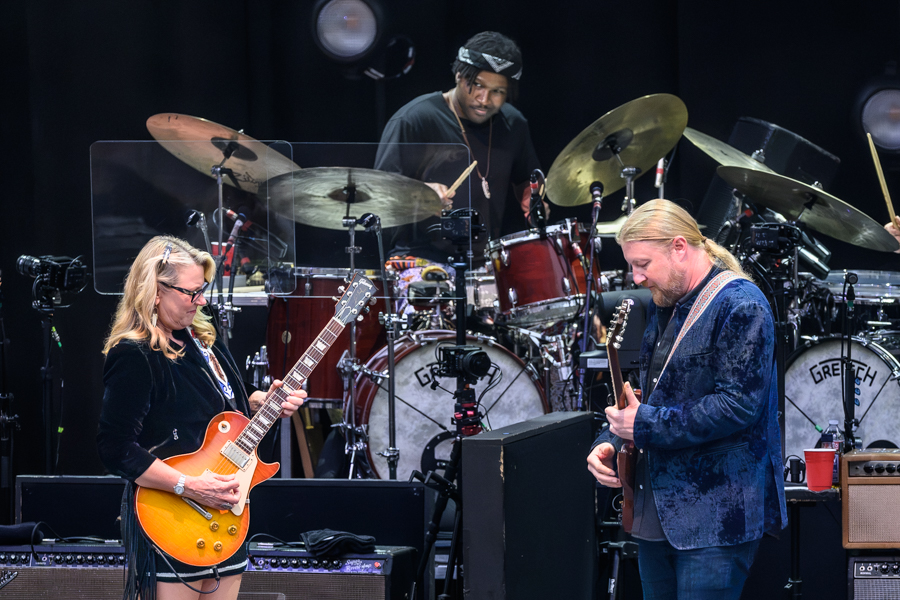
The band walked onstage with Tedeschi in a black dress with gold trim and large black glasses and Trucks in a black suit. They opened with the funky blues of “Crazy Cryin’.” Trucks fired off sharp guitar riffs alongside a dynamic horn section, while Tedeschi’s emotional vocals blended with rich harmonies from Mike Mattison, Mark Rivers and Alecia Chakour.
The song established the scale of the band’s sound: steady grooves layered with guitars, bass, drums, horns and stacked vocals.
“I Got You” continued with a classic soul-rock groove that highlighted Tedeschi’s warm, soulful voice and Trucks’ signature slide guitar. The horns and backing singers added further depth without overwhelming the song.
Tedeschi underwent appendix surgery in July, forcing the band to cancel several shows before returning to the road. Wednesday’s energetic rendition of soul standard “Let the Good Times Roll” offered little indication she’d recently been sidelined. From the opening line, “hey everybody, let’s have some fun,” she delivered powerful vocals while playing guitar alongside Trucks’ slide work and a blistering horn section. Her own ripping guitar solo showed no obvious signs of slowing down.
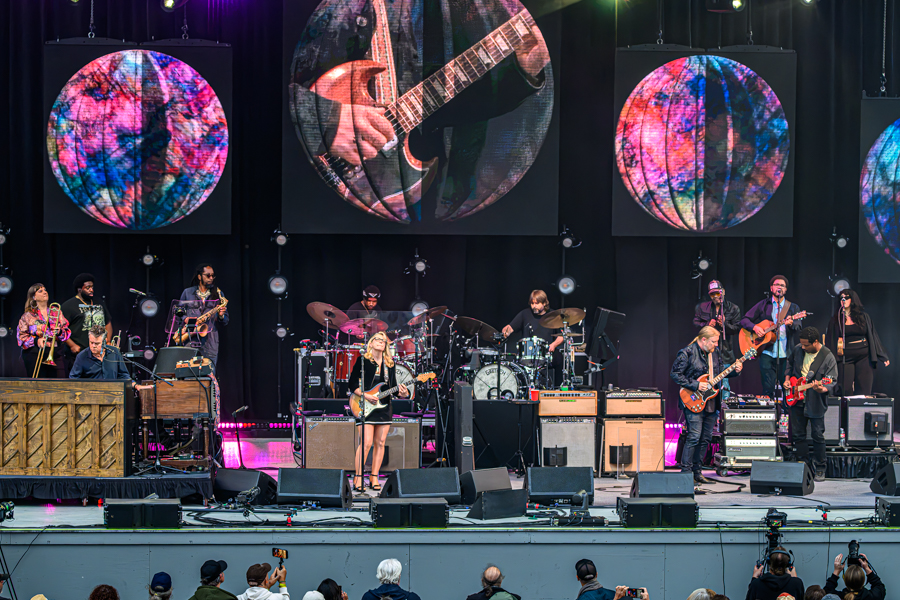
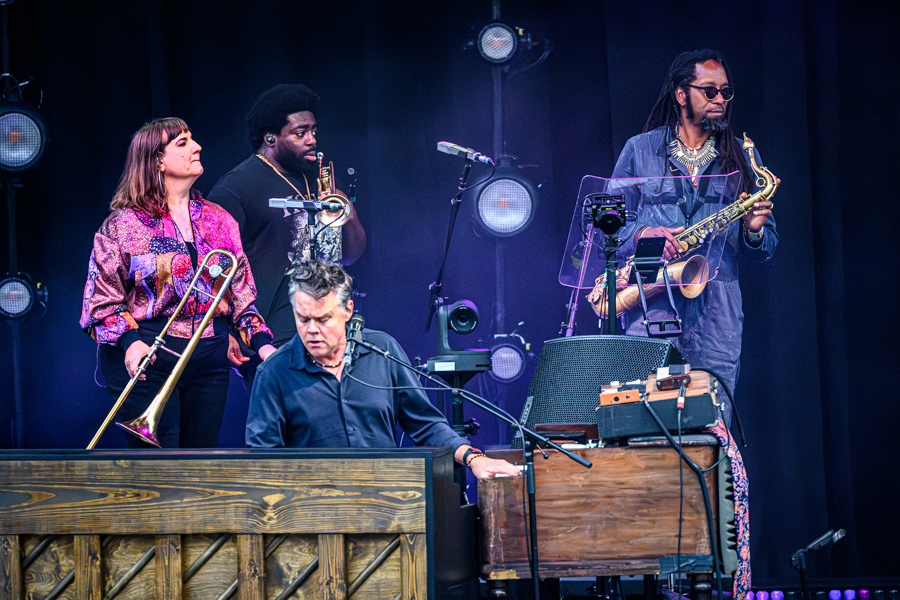
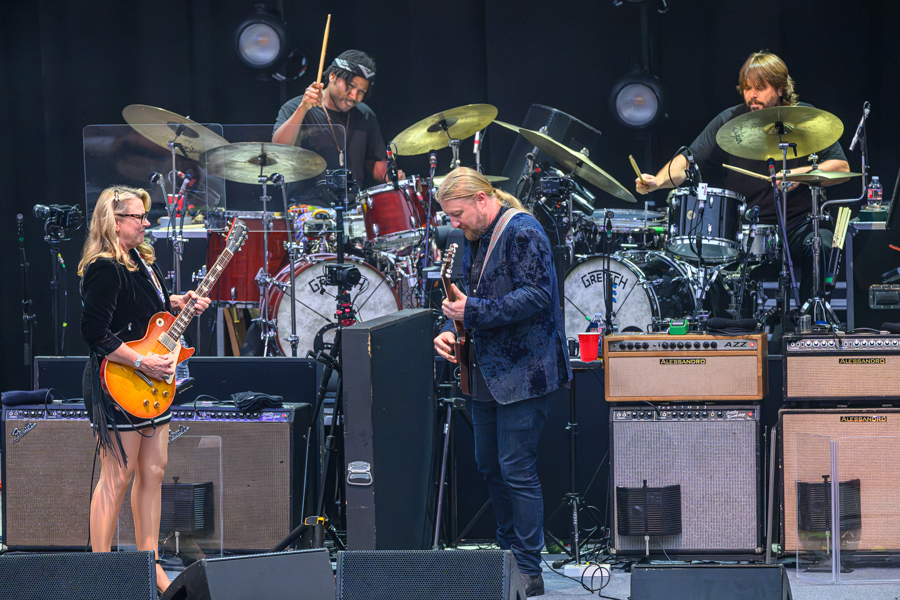
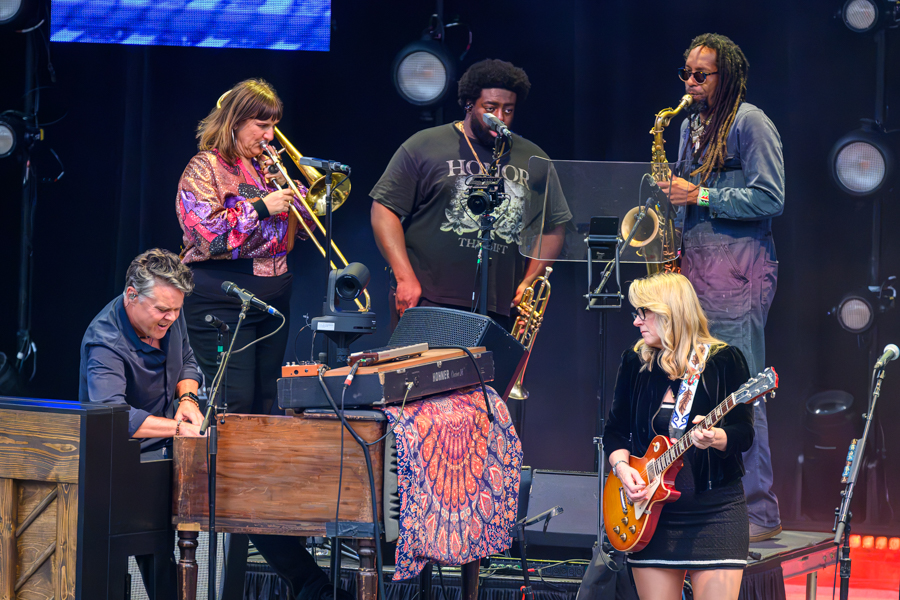
The band paid tribute to the Bay Area with a medley of Sly and the Family Stone’s “You Can Make It If You Try” and “Everyday People.” The arrangement leaned heavily into funk, with prominent horn lines and deep vocal responses recalling the low-end sound associated with Larry Graham. Dual drummers drove the groove while trombone and trumpet solos emerged before the transition into the latter song.
Tedeschi led the vocals as the Berkeley crowd enthusiastically joined in, singing “different strokes for different folks.”
The Rolling Stones’ “Loving Cup” became one of the night’s most densely arranged covers. Piano and vocals established the opening before the full ensemble arrived with gospel-influenced harmonies. Mattison’s vocals blended with powerful horn blasts and a deep rhythm-section groove before Tedeschi and Mattison traded lead duties.
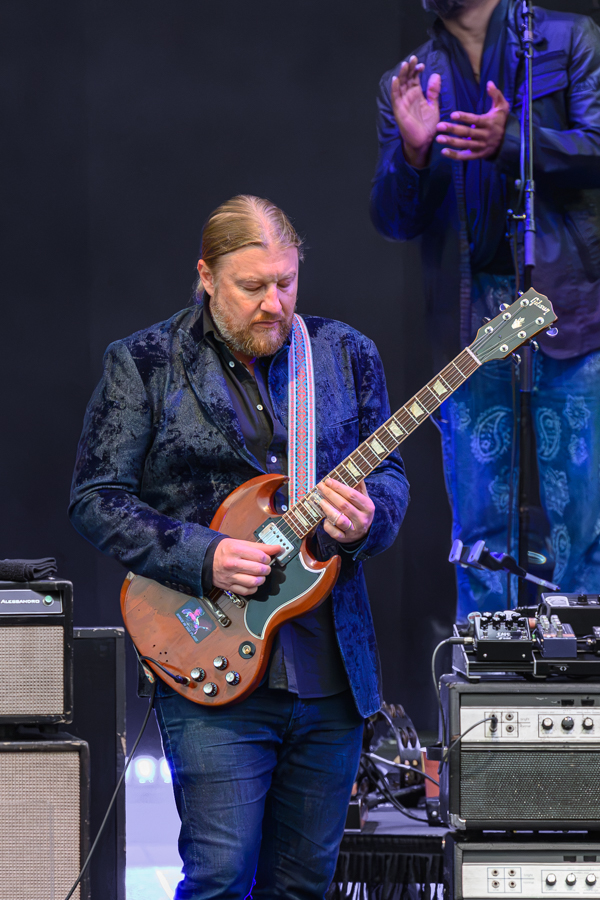
Trucks then tore into a wailing slide-guitar solo, with trumpet joining later as the arrangement grew in both volume and intensity.
The covers kept coming, including a medley of John Prine’s “Angel From Montgomery” and the Grateful Dead’s “Sugaree.” Tedeschi brought a lower, gravelly vocal texture to the first song over piano before the band expanded the rhythm and guitar parts during the transition into the second tune.
The group also performed Derek and the Dominos’ “Anyday.” Trucks opened with fluid guitar work alongside Gabe Dixon’s keyboard playing before the full band entered. Vocals moved between Tedeschi and Mattison, with Trucks repeatedly returning to slide guitar. Tedeschi Trucks Band isn’t a traditional jam band. Its strength lies as much in carefully constructed arrangements as improvisation, but the musicians still had plenty of room to stretch out. That was particularly true of Trucks, whose slide guitar remained one of the night’s defining sounds on songs like “Anyhow” and “Who Am I.”
Drummer Isaac Eady and saxophonist Kebbi Williams also received their own showcase. Williams attacked his instrument while smoky blue lights filled the stage, his saxophone screaming above Eady’s controlled drumming. It was chaos within structure. The jam transitioned into “Let Me Get By,” with Dixon taking over on keyboards for an intense organ passage before handing the spotlight back to Trucks. Trucks immediately slowed the pace with a bluesy guitar jam, gradually building from quiet passages into denser runs before returning to the main groove.
Late in the show, opener Lukas Nelson joined Tedeschi for an intimate rendition of Leon Russell’s “A Song for You.” With little more than piano and vocals, the performance provided a striking contrast to the massive arrangements that dominated much of the night.
The band eventually closed with Billy Taylor’s civil rights anthem “I Wish I Knew,” bringing the full ensemble back together with vocals, harmonies and instrumentation moving in lockstep. For a band known for world-class musicianship, that cohesion was expected. The ability to make an 11-piece ensemble feel both enormous and nimble was more impressive.
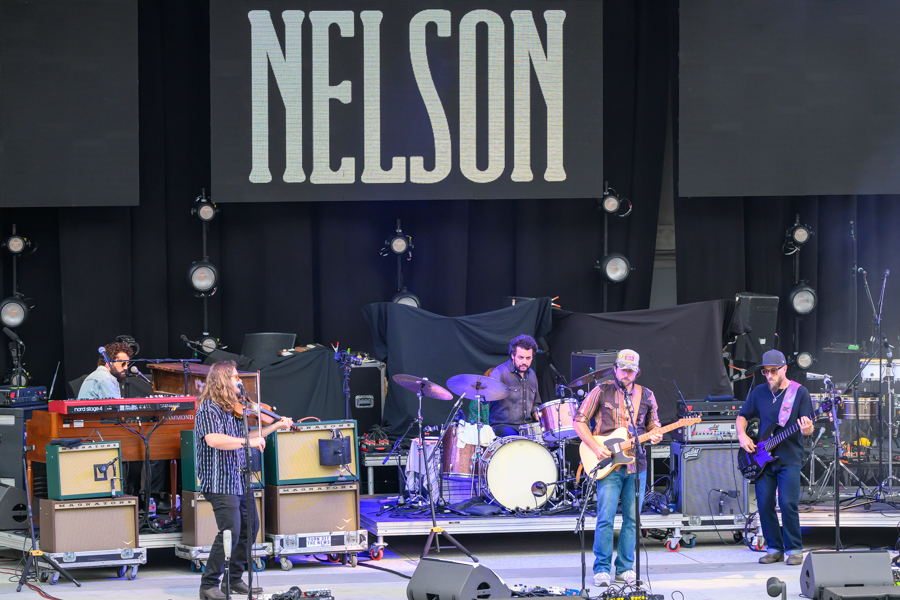
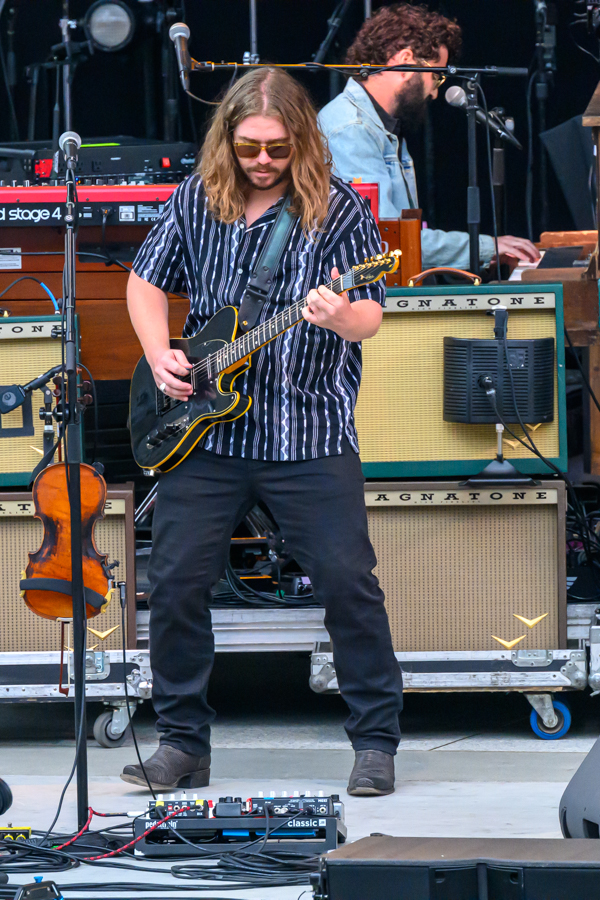
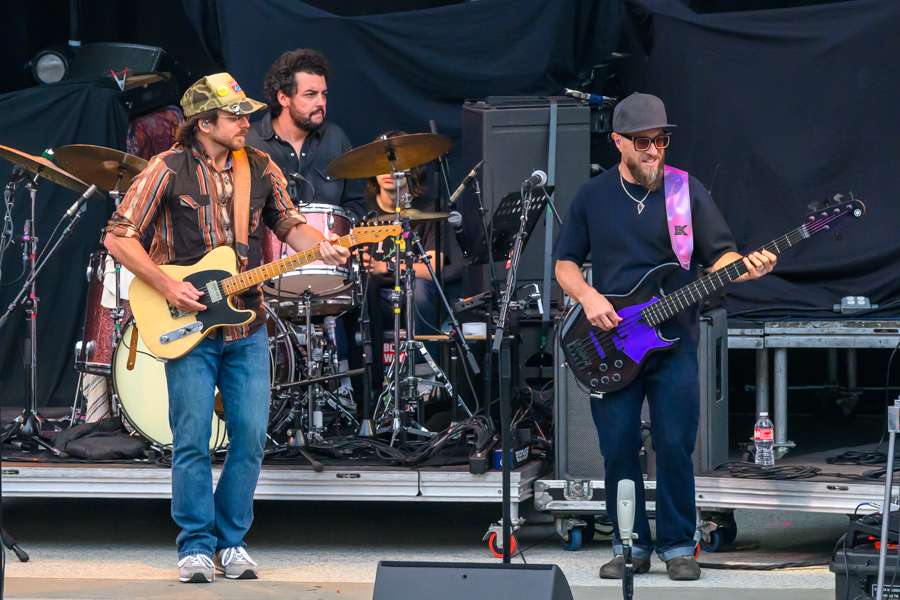
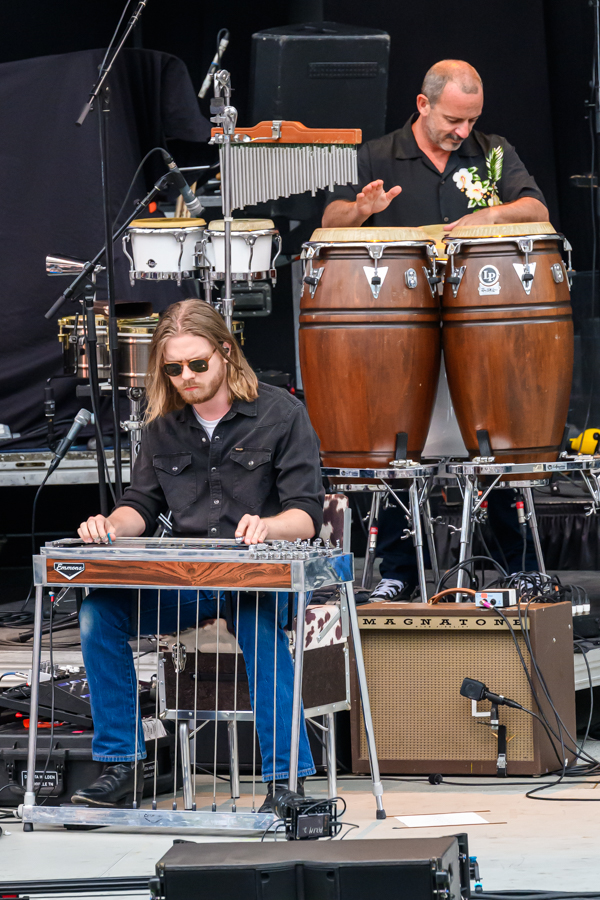
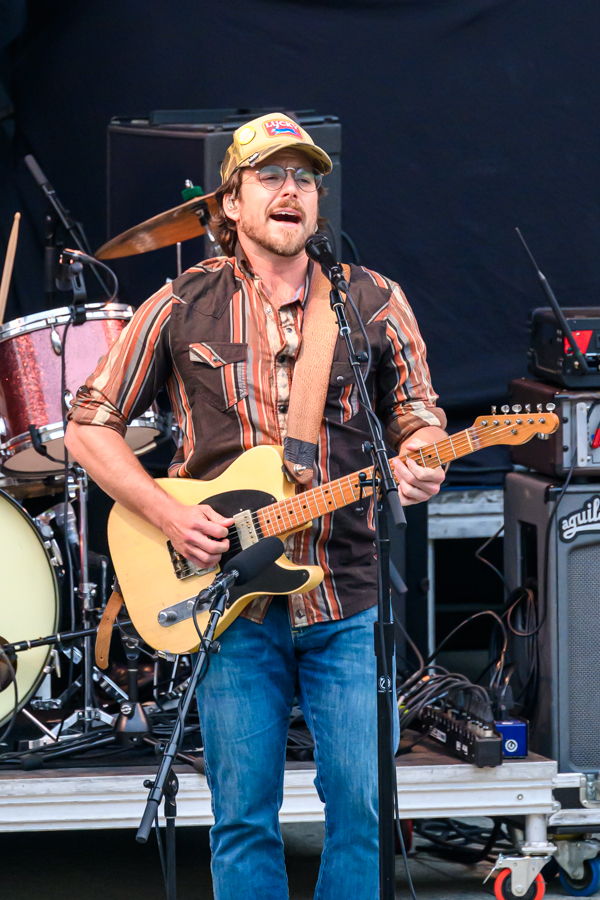
Lukas Nelson opened with a 13-song set spanning country, rock, honky-tonk, soul and occasional improvisation.
Performing on a relatively spare stage, he opened with “Fool Me Once,” immediately revealing traces of his father, Willie Nelson’s, relaxed country phrasing and weathered tone.
“Outside of Austin” moved into a more intimate setting with piano and acoustic guitar, with Nelson stretching the chorus into sustained high notes.
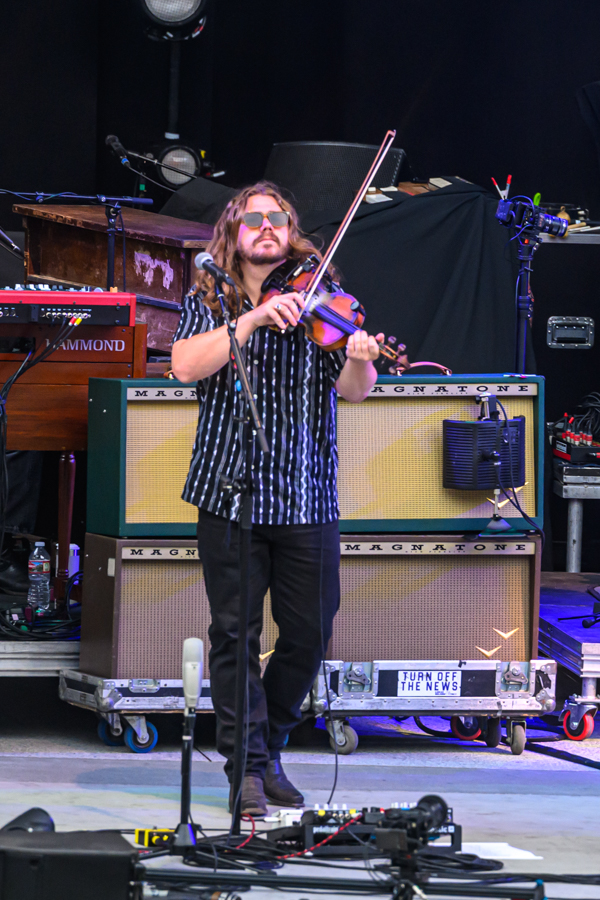
“Every Time I Drink” brought a honky-tonk feel built around twanging guitar and Nelson’s high, sustained chorus. “(Forget About) Georgia” slowed the pace with a measured drum pattern before opening into a guitar solo, while “Wrong House” shifted toward a playful hoedown with fiddle and a stomping bass line.
The biggest audience response arrived with the Grateful Dead’s “Touch of Grey.” The opening notes were immediately recognized, and the crowd began dancing, raising their hands and singing the chorus. Nelson’s version created direct connection with a Berkeley audience steeped in the Dead’s musical history.
Nelson closed the set with “Find Yourself,” his best-known song from the Grammy-winning A Star Is Born soundtrack.
The performance demonstrated why Nelson has developed a distinct identity separate from his famous family name. His voice connects traditional country phrasing to rock and soul, while his instrumental approach allows the songs to stretch into improvisation. Nelson’s combination of personal songwriting, powerful vocals and guitar-driven arrangements kept the performance rooted in contemporary country-rock.
The biggest audience response came with the Grateful Dead’s “Touch of Grey.” The opening notes were immediately recognizable. He closed with “Find Yourself,” one of his best-known songs.
About The Author

Glenn Gumin spends his days on a college campus as a higher education administrator involved in academic affairs and student & financial services. After many years of piano lessons, he’s now attempting to learn to play the guitar and ukulele to prepare for island life in retirement. He’s a live music enthusiast who loves to reminisce about shows he attended as a Bay Area teenager and a Midwest college student. He’s also a big supporter of college radio.
Jerome Parmer is a freelance photographer who likes being in the mix, whether from
the pit at local shows to a protest in the streets. An Oakland resident for many years
with a love for exploring the world, he finds that photography encourages more active
engagement with others. You might also find him out on a tennis court, on the road or
walking his dog Roxie the Wunderpup.