
Featured subscriber comment:
“Thank you for reporting and thank you Ukraine for fighting for democracy!”
By Carol Navarrete
If you value our work as much as Carol does, please support us by upgrading your subscription.
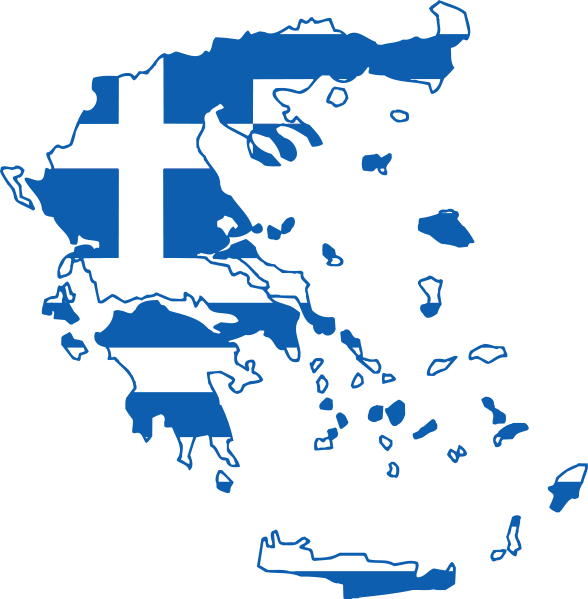
KYIV, Ukraine — Until the age of 37, Iryna did not know her true origin. As a child growing up in Nova Karakuba, a village in the Donetsk region of southeastern Ukraine, she simply noticed that her grandparents spoke differently.
She recalls asking when she was seven or eight years old, “Grandma, how do you say bread?” “Psuny,” she replied. “And how do you say water?” “Nero.” The words she wrote down on a piece of paper back then remained etched in her memory forever.
“All my life I considered myself Greek,” Iryna says, “until the war broke out and my native village was occupied. My grandparents passed away, and I began to question who I really am. And the truth is: I am Rumey.”
Crimea has been inhabited by Greeks since ancient times — it was colonized by Greek settlers back in the 7th century BC. The cities they built there — Chersonesus, Panticapaeum, Theodosia — were not provincial outposts but thriving centers of trade, philosophy and art, deeply woven into the fabric of the Hellenic world. Crimea is, in every sense, the cradle of ancient Greek culture on Ukrainian soil.
Greeks continued to live on the peninsula until the Russian Empire deported them in 1778, during the Russo-Turkish War, to the territory of the modern Donetsk region. This deportation gave rise to the North Azovian Greeks—a unique community composed of two distinct sub-ethnic groups: the Turkic-speaking Urums and the Hellenic-speaking Rumeys.
The suffering of the North Azovian Greeks deepened under Soviet rule, enduring the brutal repressions of 1937-1938, mass executions, and systematic attempts to erase their identity to forge “Soviet people.”
Today Russia is trying to spread its narratives through loyal Greek media and organizations to strengthen its global influence. After all, any fake news launched through local European outlets is perceived by Europeans with much greater trust than a direct broadcast from Moscow.
Iryna fondly remembers her childhood in Nova Karakuba, in the Donetsk region. From 1945 to 2024, the village was called Krasna Polyana — a name that was designated by Soviet authorities. However, in the fall of 2024, the Verkhovna Rada, as part of decommunization, renamed the village back to the original name, which was once given to it by Greek settlers. As a young girl, she did Greek dancing and even traveled to Mariupol for competitions. She recalls that all the children wore t-shirts adorned with Greek flags. In her village, everyone was simply referred to as “Greeks” — a blanket term, as she would later discover. Yet they did not hail from mainland Greece, nor did they have any direct connection to it. They came from Crimea.
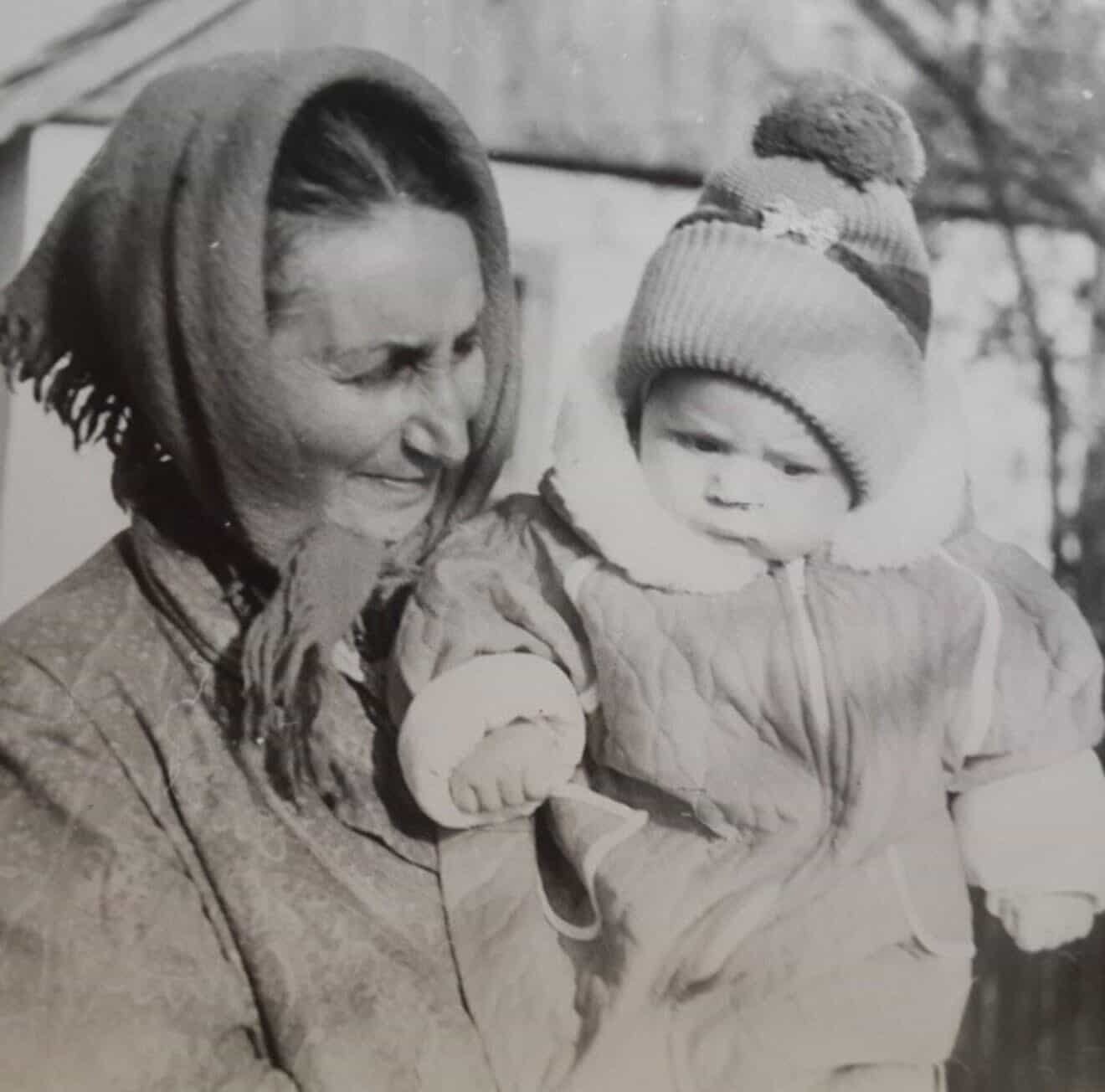
Back in 1920, the newly formed USSR faced the immense challenge of managing its ethnic diversity. To address this, the Bolsheviks launched a program designed to teach indigenous peoples their national languages and writing systems — while also exerting a nationalistic influence on education, culture, public administration, the socio-economic sphere, and public life.
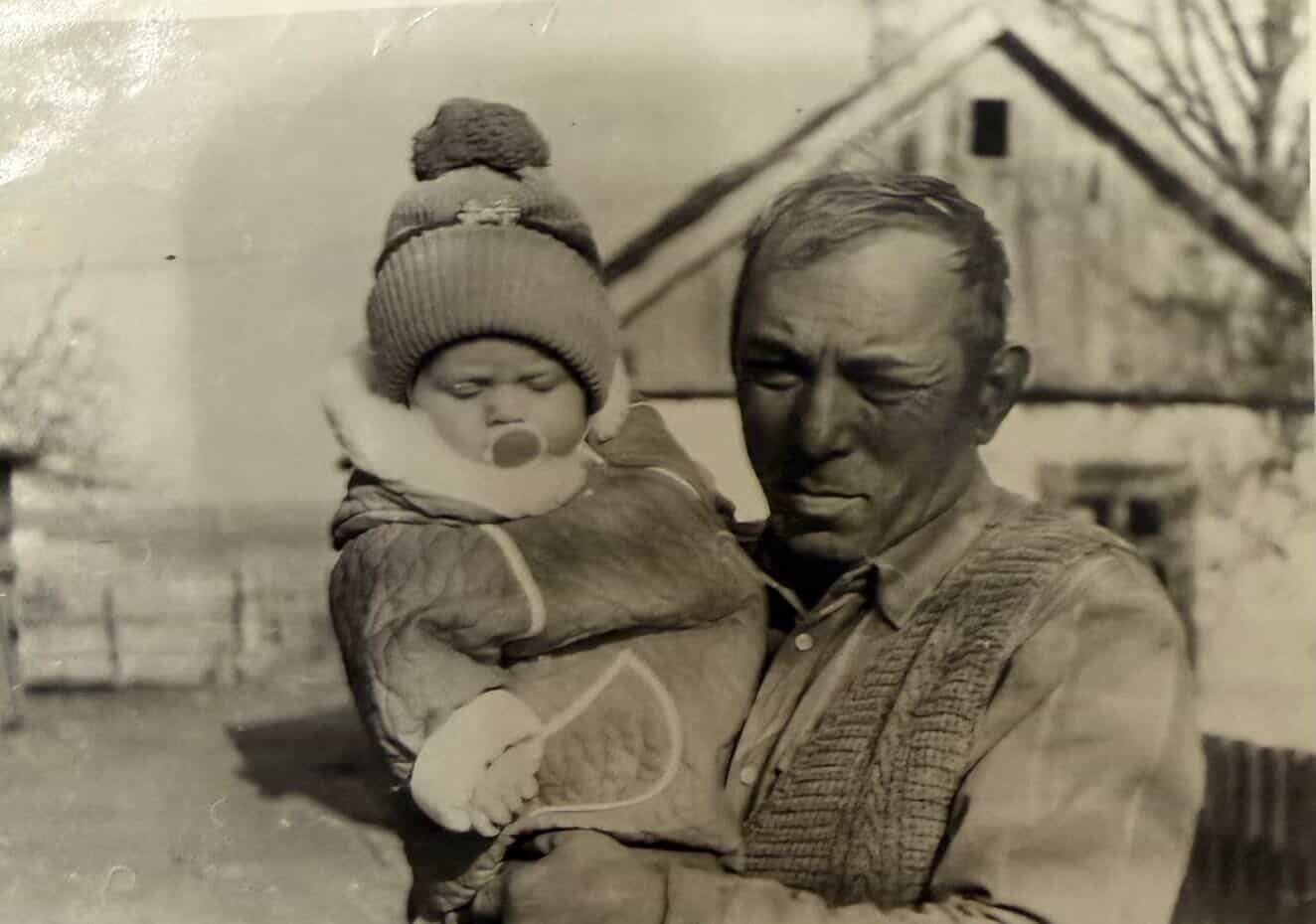
What could possibly be wrong with fostering national identities? “Korenizatsiya,” translated in Western sources as “nativization,” indicates that the Soviet regime wanted to create the illusion that Bolshevism was not imposed from above, but was fundamentally indigenous. The population needed to be made literate only to the exact culture and language required to inject them with the ideas of socialism.
Iryna’s grandmother worked as a milkmaid all her life, and her grandfather as a tractor driver. They often recalled how in their childhood they survived the Holodomor of 1932-1933 and later lived through World War II; because of this, they never shied away from hard work, deeply loving and fiercely cultivating their land. They spoke Rumey all their lives and died at the age of 89, before the full-scale invasion began.
On December 15, 1937, Communist Party understood that independence in the national republics was growing and that this movement could collapse the Soviet Union and cause the USSR to lose control over its resources. That’s why large-scale campaigns were launched against “bourgeois nationalism.” Then, “all Greeks suspected of espionage, sabotage, insurgency and nationalist anti-Soviet work” were to be arrested.
In total, more than 20,000 people were persecuted during the operation, the largest repressions of Greeks in the Donetsk Azov region. The number of people killed and tortured in this region exceeded 5,000. Since then, being Greek meant being killed or tortured.
Iryna remembers her mother never admitted to anyone that she was Greek: “No, no, no, God forbid you tell someone that you are Greek. God forbid,” she said.
Consequently, even though the Urum and Rumaiic languages were entirely different in both grammar and origin, they were artificially merged into a single, officially recognized language. It had to look nothing like the language spoken in Greece, as Greece was viewed as a hostile, monarchical country, and the Bolsheviks naturally refused to adopt that model. Instead, all Greeks were offered a simplified version of modern Greek, which was completely alien to Rumaiic.
The USSR wanted to show Greece that ethnic Greeks lived well in the Soviet Union. The idea was that if the North Azovian Greeks spoke the official language of Greece but praised Stalin and communism, their newspapers, books, and radio broadcasts could be exported back to Greece as propaganda. Yet, the older generation still managed to keep the Rumeika language alive.
Growing up in the late 90s and early 2000s, little Iryna learned to ride a horse at the age of 9. She says that she would stand on a bench, throw a blanket on the horse instead of a saddle, climb on it, and ride. She was a brave young girl — she also learned to swim, drive a car, and herd cows. By 10, she supported her parents: she carried straw, whitewashed the house, and planted trees. Iryna felt her identity precisely through her grandparents.
A child’s curiosity for knowledge always guided her. “Why do my grandparents speak ancient Greek? Why, if they are Greek, do their surnames have different endings than Greek? And why does my mother speak Russian?”
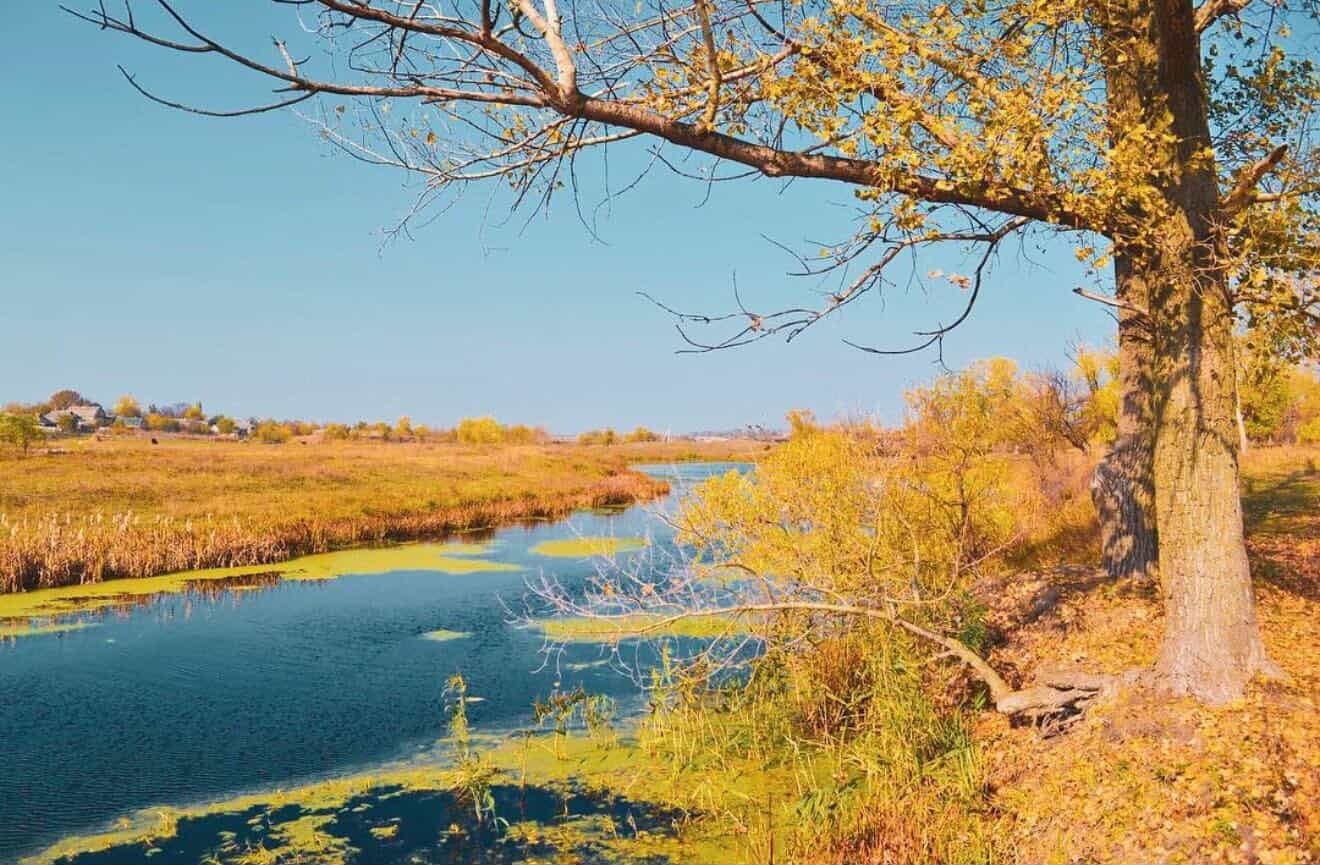
Once, Iryna was leafing through the Bible when her mother — who was not religious — said, “You don’t need to read it, there’s nothing interesting there.” Later, Iryna would understand that her mother’s inhibition was a product of the Soviet regime, which had suppressed all forms of faith and religion.
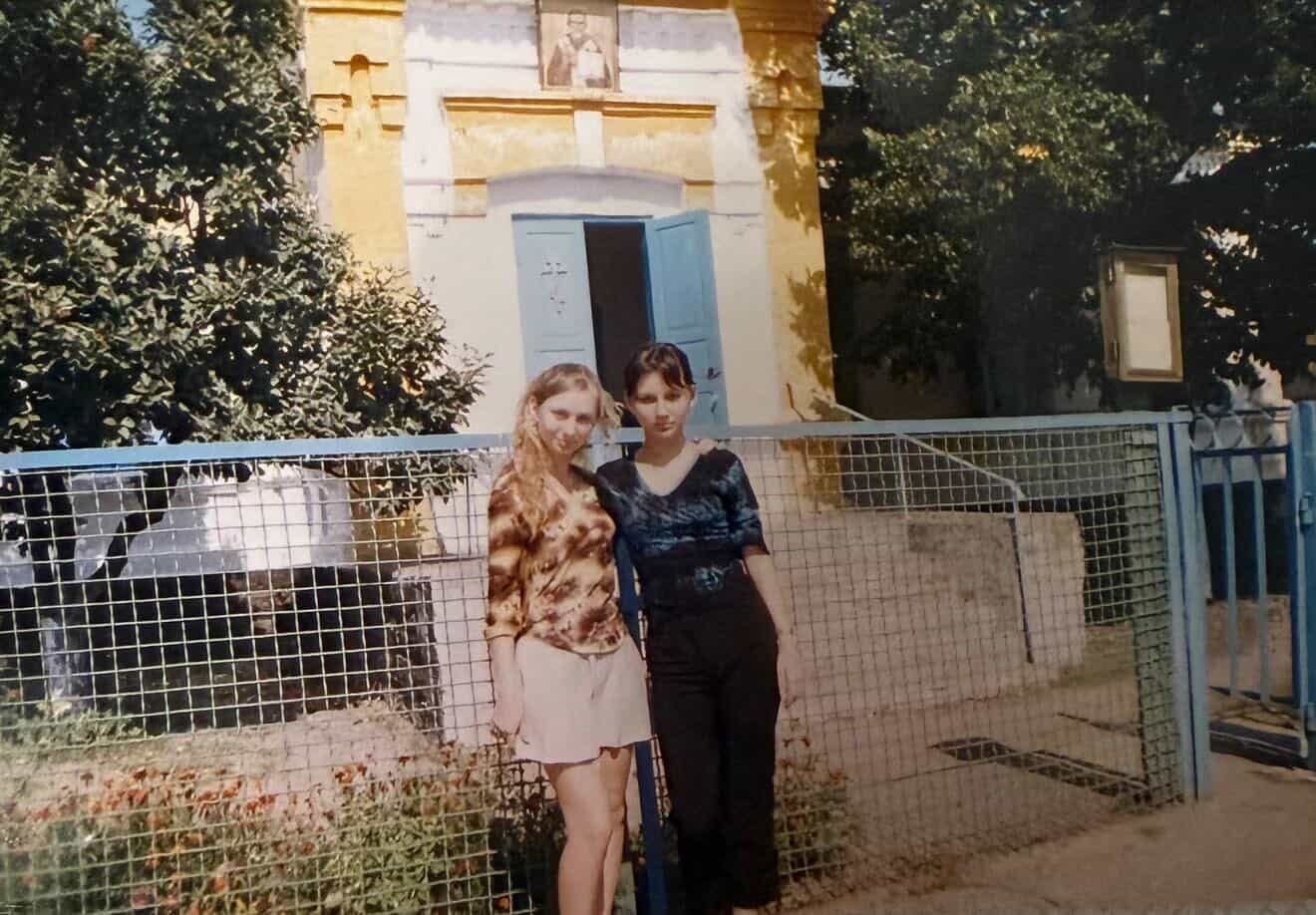
Life in Nova Karakuba shaped her as a person; the traditions she learned left an indelible mark on her warmest memories. It was a friendly village, where everyone celebrated all the holidays together. Anyone from your village is your neighbor, she says, and it doesn’t matter if you live 2 kilometers from each other. The whole village went to the funerals, even if you didn’t know the family personally.
The little boys in the village were very proud of being Greeks. They often spoke Rumey and felt quite special, especially when no one else could understand them. Iryna recalls Modern Greek being added to the school curriculum, but it was completely different from the language her grandparents spoke at home.
In 2014, Russia annexed the territories of the Donetsk region — an area where the Greeks lived compactly.
When Iryna’s classmates became adults, they came from all over the world every year to celebrate the anniversary of their graduation from school. That was until 2014, when Russia interrupted this tradition.
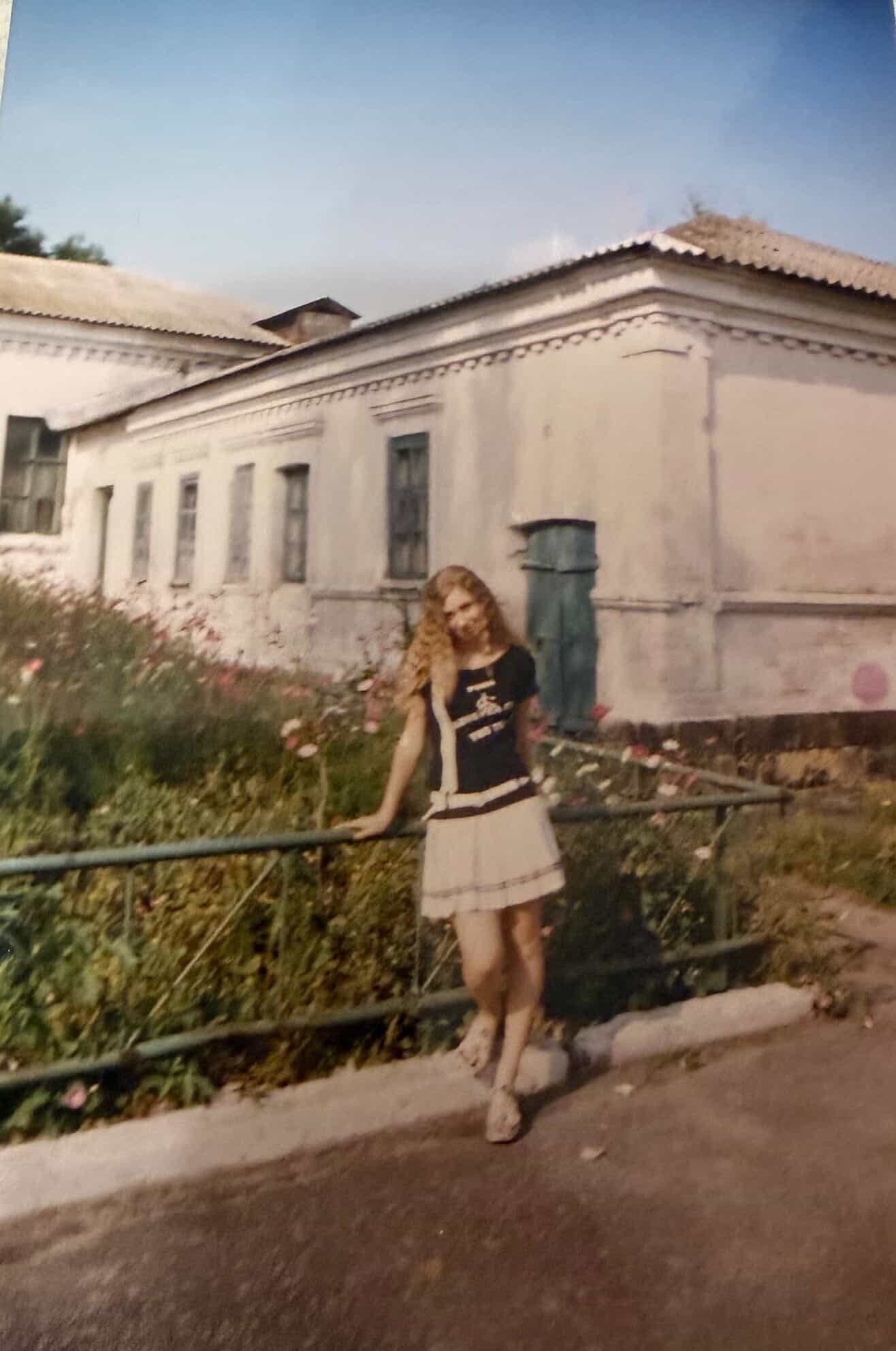
Iryna began to feel Russian influence creep into her life as early as her youth. Many adults would travel to Russia for seasonal work because it offered seemingly better economic opportunities. When they returned, their mindset had shifted; they no longer wanted to associate themselves with Ukraine. Today, Iryna understands that this was a deliberate cultivation of an inferiority complex.
She recalls that since the war began in 2014, one of her classmates supported Ukraine while another sided with Russia. Today, one lives under occupation in the so-called Donetsk People’s Republic (”DNR,” the Moscow-backed puppet entity illegally established by Russian-controlled militants), while the other serves in the Ukrainian State Emergency Service. They no longer see or speak to each other.
When Iryna traveled to Greece in 2024 with her children and mother to visit her aunt — who had obtained citizenship in the 1990s and spent a good half of her life there — she felt no cultural connection to the nation. “For the New Year, our boys back home would ‘carry the plow’ (nosyty pluzhok) — a unique North Azovian Rumaiic ritual that doesn’t exist among mainland Greeks.”
“We also celebrate Panair—a festival where people from the entire district and region gather for mass communal celebrations. That does not even exist in mainland Greece.” North Azovian Greeks cook traditional Crimean Greek dishes like shumush — a savory pumpkin and meat pie — and chebureki with various fillings. A key highlight of the festival is the kuresh wrestling matches, where the ultimate prize for the winner is a live ram. This vibrant tradition reflects a unique Greek culture that cannot be found anywhere else in the world.
Despite this rich heritage, the Rumey and Urum peoples do not hold the official status of indigenous peoples in Ukraine; instead, they are legally classified as a national minority. While the North Azovian Greeks in Ukraine fight for the right to preserve their culture at the state level, within Russia itself, the theme of indigenous rights is cynically weaponized as a geopolitical tool.
Though there are 160 distinct ethnic groups in Russia, only 40 are officially recognized as “small-numbered indigenous peoples.” Any identified group within the Russian Federation must be under 50,000 people; If an ethnic group is larger (such as the Tatars, Yakuts, Chechens, or Bashkirs), they are denied corresponding benefits — such as protection for their traditional homes, trades (fishing, reindeer herding, hunting), crafts, studying native languages at schools, and conducting mass media in native languages. Furthermore, they must reside in the traditional territories of their ancestors and strictly maintain a “traditional lifestyle.”
Times have changed — especially since the 2022 full-scale invasion — but Russia’s methods remain the same: it continues to fight and destroy indigenous peoples on their own territory. To crush any resistance, the Russian authorities now lock up indigenous activists using “terrorism” charges, which can mean up to 20 years in prison. In December 2025, security forces launched a massive wave of raids, targeting activists from Yakutia and Altai to St. Petersburg. Two prominent female human rights defenders were thrown into pretrial detention, and just recently, in May 2026, Moscow courts extended their arrests until at least mid-June.
To reduce the population of indigenous peoples, Russian authorities deliberately recruit them for the war against Ukraine. The regions where these ethnic groups live are mostly poor, with high unemployment and low wages. As a result, people are forced to sign military contracts just to survive.
Today, Iryna refuses to go back and see what has become of her native village; “It would hurt too much because it’s no longer the same. It is no longer about the Rumaiic people, no longer about the Greeks, unfortunately.”
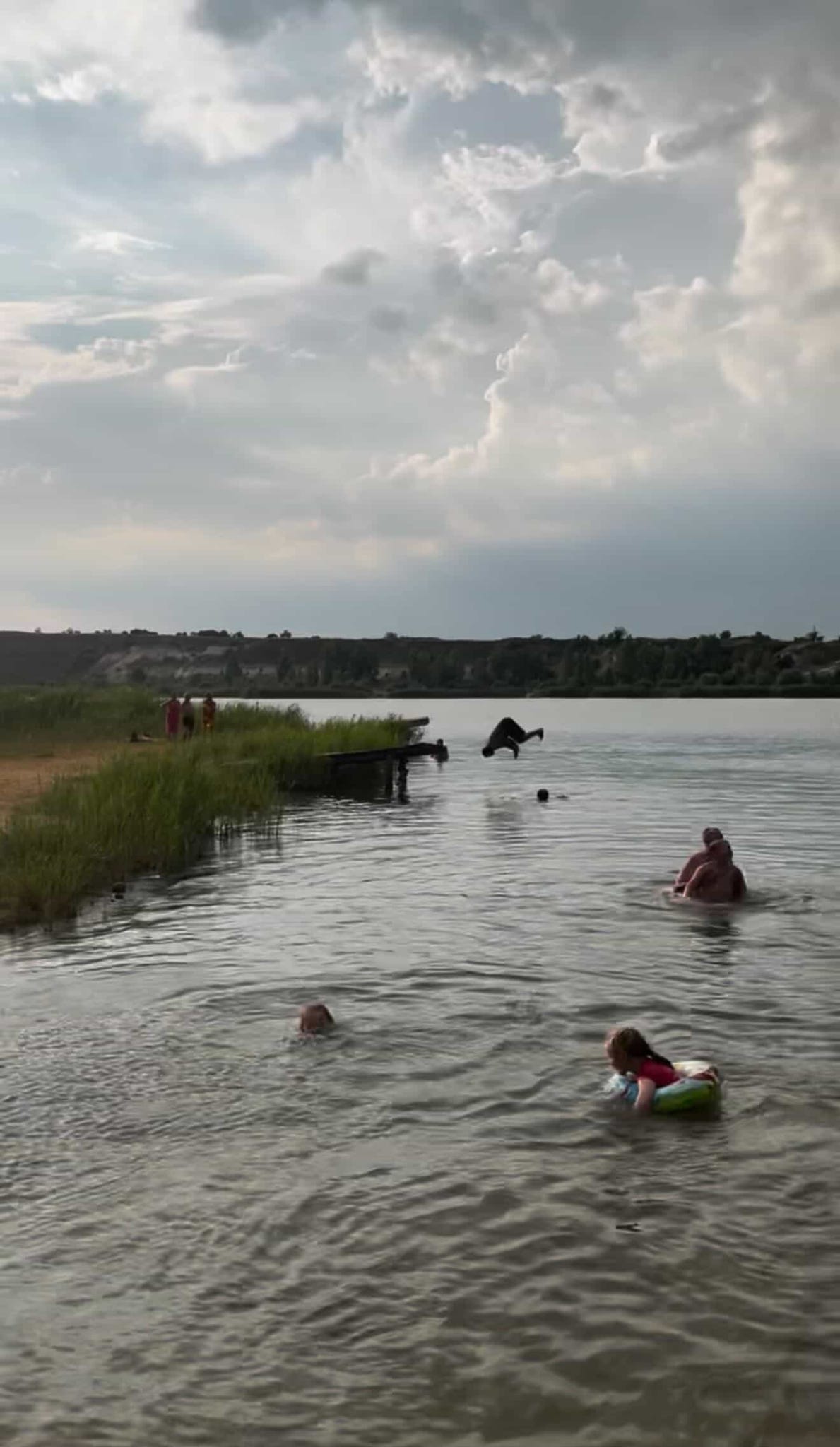
She cannot return home. Only memories remain. The traditions, the heritage — everything is gone, violently stripped away.
“You begin to search for some kind of identity. To dig deep inside yourself. Who am I? What am I? I don’t want to be Russian. I feel ashamed that I have those roots. But there is nothing I can do about it.”
Yet finally, after so many years of intergenerational trauma, repression, and shame passed down through the bloodline and after a lifetime of searching for herself across different cities, Iryna has found a sense of inner harmony and peace.
“This matters. Every person must know who they are, where their roots lie. It is essential. Because only then does everything fall into place. And that is exactly what has finally happened to me.”
Interested in topics about Crimea or Ukrainian communities? Take a deep dive into some of our related coverage.
The commander raising a Crimean battalion to take it back from the Russians
Crimea celebrated, as Trump gives it away
Russian propaganda, funded by Canada
Featured subscriber comment:
“Thank you for reporting and thank you Ukraine for fighting for democracy!”
By Carol Navarrete
If you value our work as much as Carol does, please support us by tipping the jar.
By Oleksandra Poda
Good morning to readers; Kyiv remains in Ukrainian hands.
OCCUPIED CRIMEA INTRODUCES GAS VOUCHERS: Starting May 31, a voucher-based fuel distribution system is being introduced in Crimea, according to the head of the Russian administration in the occupied peninsula. Petrol will be distributed exclusively via coupons, where public and social transport will have priority status. The voucher system will operate without volume restrictions, but the sale of petrol will be limited to 20 litres per person per day and using jerry cans to store the fuel is forbidden.
The fuel crisis in Crimea comes as a result of the Ukrainian Armed Forces’ systematic campaign against Russia’s oil infrastructure. Crimea, as an occupied territory cut off from mainland Ukraine, is particularly vulnerable to supply disruptions.
Residents were told by the occupying administration that the situation is expected to stabilize within 30 days.
RUSSIA HAS ESTABLISHED A NEW DRONE DEFENSE MINISTRY: Russia’s Nizhny Novgorod region has established a separate government body to defend against drone strikes in the region, called the Ministry for Facility Protection.
The decision was made as Ukrainian drone technology improves and is able to launch larger attacks deeper into Russia. Ukraine regularly attacks Nizhny Novgorod, which is located nearly 1,300 km from the front line. Russia is forced to spend administrative, financial, and human resources on protecting its own deep rear infrastructure, rather than attacking Ukraine.
RUSSIA BUILDS LARGEST AIR DEFENSE RING ENCIRCLING MOSCOW: Russia is constructing a ring of air defense which will surround the nation’s capital and some suburbs. The new air defense system will be put on the roofs of civilian buildings in Moscow, using transport helicopters to lift the equipment into place.
The new defense system — the Pantsir-SMD-E — is a modification of the anti-aircraft missile system, specifically designed to combat drones and small aerial targets. As of May 31, at least four Pantsir systems are known to have been installed on the roofs of buildings in Moscow.
For residents of these buildings, this poses an additional risk, as debris from downed drones or interceptors could fall on residential areas.
This pup is waiting for its little owner after her after-school classes.
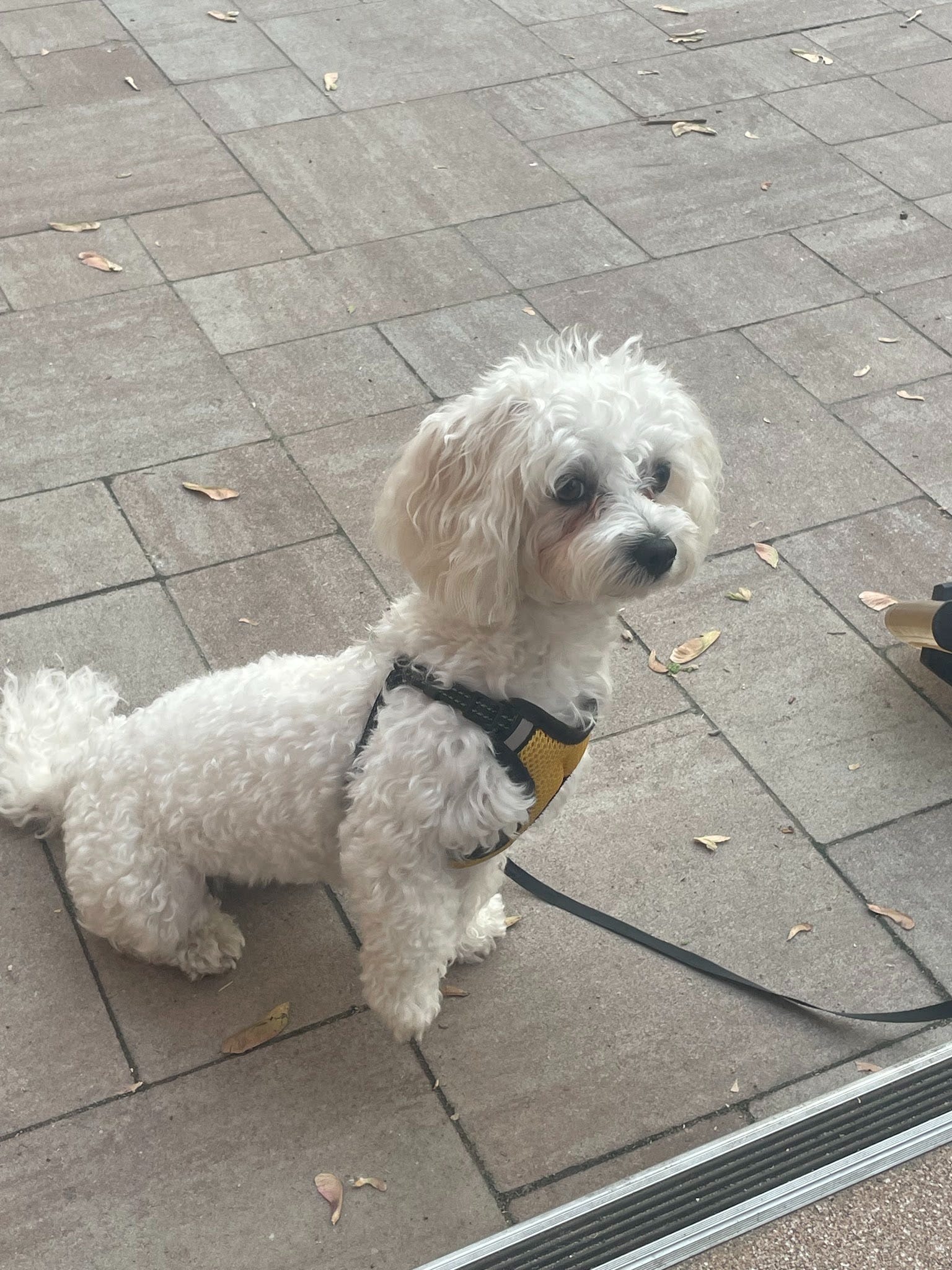
Stay safe out there.
Best,
Kateryna.