

MONDAY 22/06: Lykke Li at Odeon of Herodes Atticus
The acclaimed Swedish singer-songwriter will make her first-ever appearance in Greece with a concert that spans more than 15 years of genre-defying work. Known globally for hits including I Follow Rivers, No Rest for the Wicked and I Never Learn, Lykke Li has built a distinctive artistic identity that blends indie pop, alternative music and deeply personal songwriting.
Balancing emotional vulnerability with cinematic atmosphere, the artist continues to push the boundaries of contemporary pop. The performance arrives as anticipation grows for new material and an upcoming album expected in 2026.
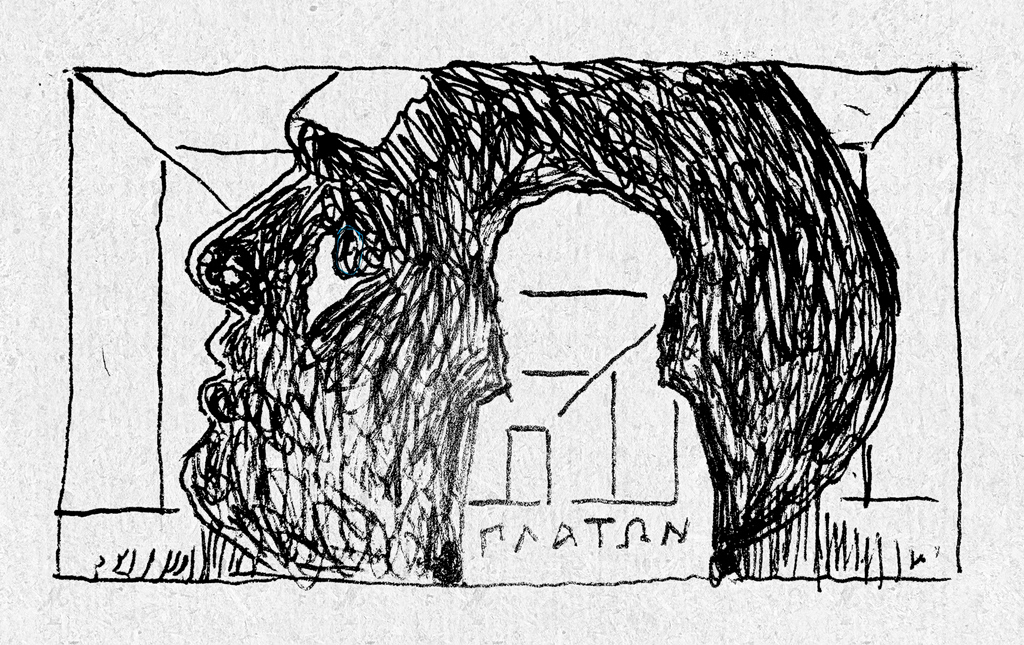
white recycle paper texture © Dimitris Mistriotis
TUESDAY 23/06: The Seventh Letter, or Plato Disillusioned at Peiraios 260
Drawing inspiration from Plato’s Seventh Letter, Alexandros Mistriotis presents an intimate portrait of the philosopher behind the texts. Rather than focusing on Plato’s teachings, the production explores his life, political disappointments and personal reflections through a narrator who invites him to speak directly to a contemporary audience.
The work revisits Plato’s youth, his failed political ambitions and the disillusionment that led him toward philosophy. Far from depicting a triumphant thinker, the performance presents an aging man grappling with uncertainty, inviting audiences to reflect on truth, virtue and the enduring instability of political life.

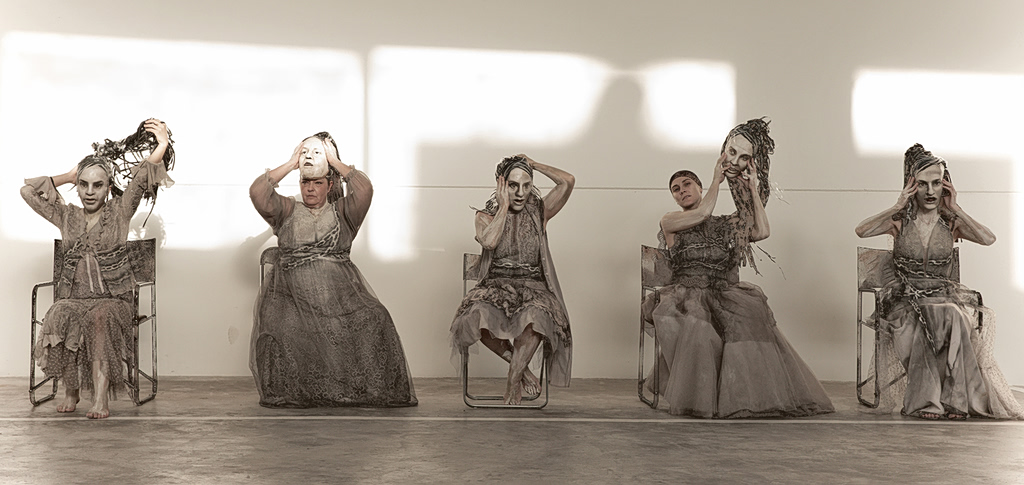
WEDNESDAY 24/06: Starry Sky – Starry Nights: The Dead Class at Peiraios 260
The Athens Epidaurus Festival’s new late-night film series continues with The Dead Class, Tadeusz Kantor’s landmark 1975 work, presented through a cinematic adaptation of the stage production.
Widely regarded as one of the defining achievements of modern theater, the piece explores memory, loss and the haunting persistence of the past. Through its powerful visual language and theatrical innovation, Kantor’s work remains a touchstone of contemporary performance history.
THURSDAY 25/06: Hecuba at Odeon of Herodes Atticus
Stathis Livathinos stages Euripides’ Hecuba as a meditation on justice, truth and moral collapse, placing the tragedy in dialogue with ideas drawn from Plato’s Republic.
At the center stands Hecuba, the fallen queen of Troy, whose suffering and desire for vengeance unfold amid the devastation of war. As traditional notions of justice erode, the production examines the fragile boundaries between grief, morality and retribution. Plato’s philosophical reflections broaden the play’s tragic landscape, creating a powerful encounter between classical drama and political thought.
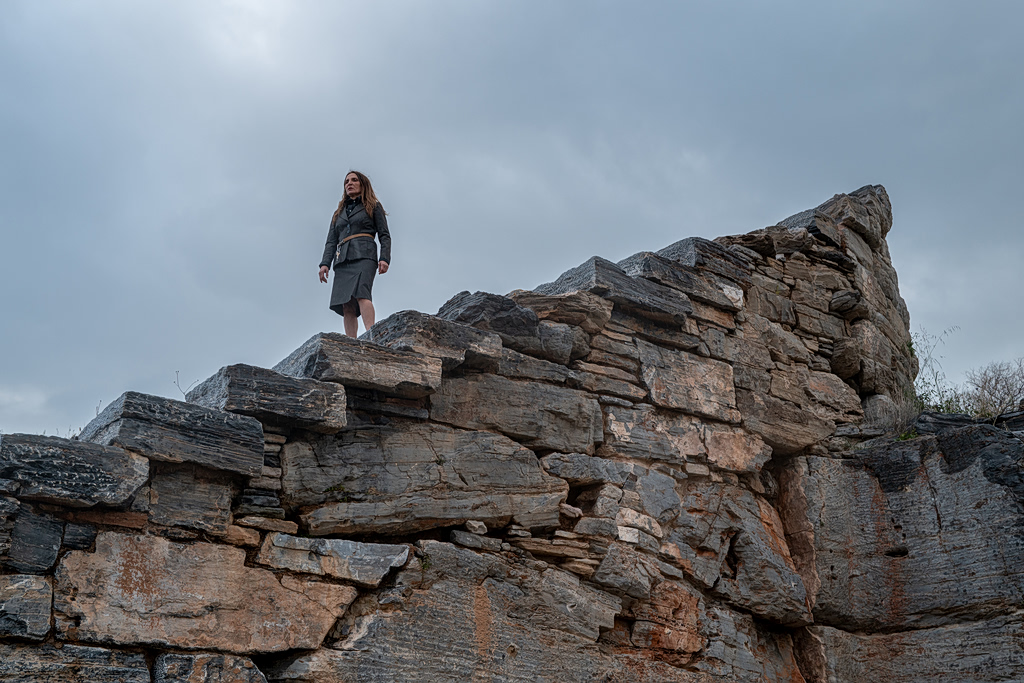
© ARIS KAMAROTOS
FRIDAY 26/06: (Alcestis) Landscape After the Promise at Ancient Stadium of Epidaurus
Composer Dimitris Kamarotos transforms Euripides’ Alcestis into an immersive nighttime performance that unfolds in an archaeological setting. Featuring a single performer and a string quintet, the work reimagines the ancient heroine as a figure in transition rather than a conventional dramatic protagonist.
Combining spoken text, live music, natural sounds and the surrounding landscape, the production follows Alcestis on a symbolic journey through sacrifice, loss and self-discovery. The archaeological site itself becomes an active participant in an experience that blends theater, sound art and ritual.
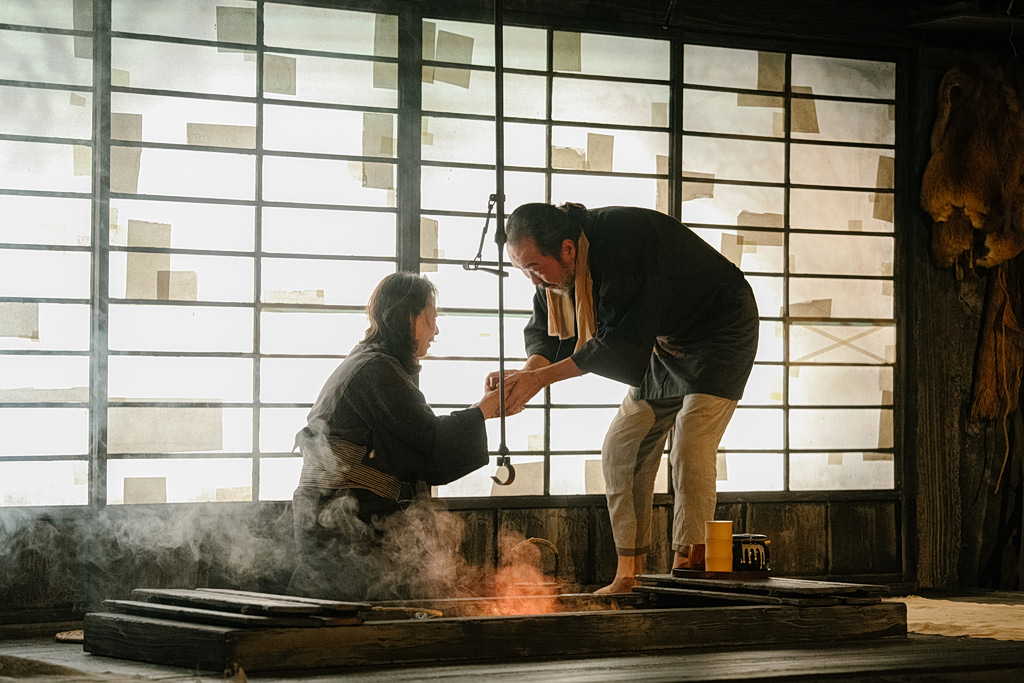
© Patrick Wai
SATURDAY 27/06: Sleeping Fires at Peiraios 260
Japanese director Kurō Tanino makes his first appearance in Greece with Sleeping Fires, a sensory-rich production inspired by the history of blind massage practitioners in Japan.
Set in a remote mountain region, the story follows Iku, a woman blind from birth whose life is transformed by the arrival of a young apprentice. As their relationship deepens, hidden traumas, desires and frustrations surface. Featuring performers with visual impairments, the work explores perception beyond sight through sound, touch, rhythm and scent, creating a poetic reflection on exclusion, freedom, care and human connection.
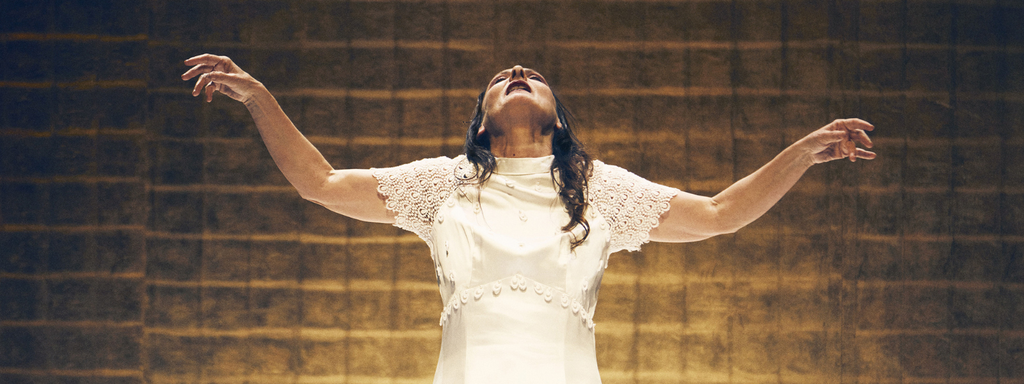
SUNDAY 28/06: Seppuku: The Funeral of Mishima or the Pleasure of Dying at Peiraios 260
Spanish theater-maker Angélica Liddell returns with a provocative performance inspired by the life and death of Japanese writer Yukio Mishima. Framed as a funeral hymn, the work examines themes of beauty, desire, discipline and mortality through the lens of Mishima’s philosophy and final act of self-determined death.
Combining ritual, personal testimony and philosophical reflection, Liddell constructs a visually and emotionally charged stage experience that draws on traditional Japanese theatrical elements, live music and a multinational cast. The production explores the relationship between life and death as both existential and artistic questions, continuing the artist’s uncompromising investigation of the limits of performance.