
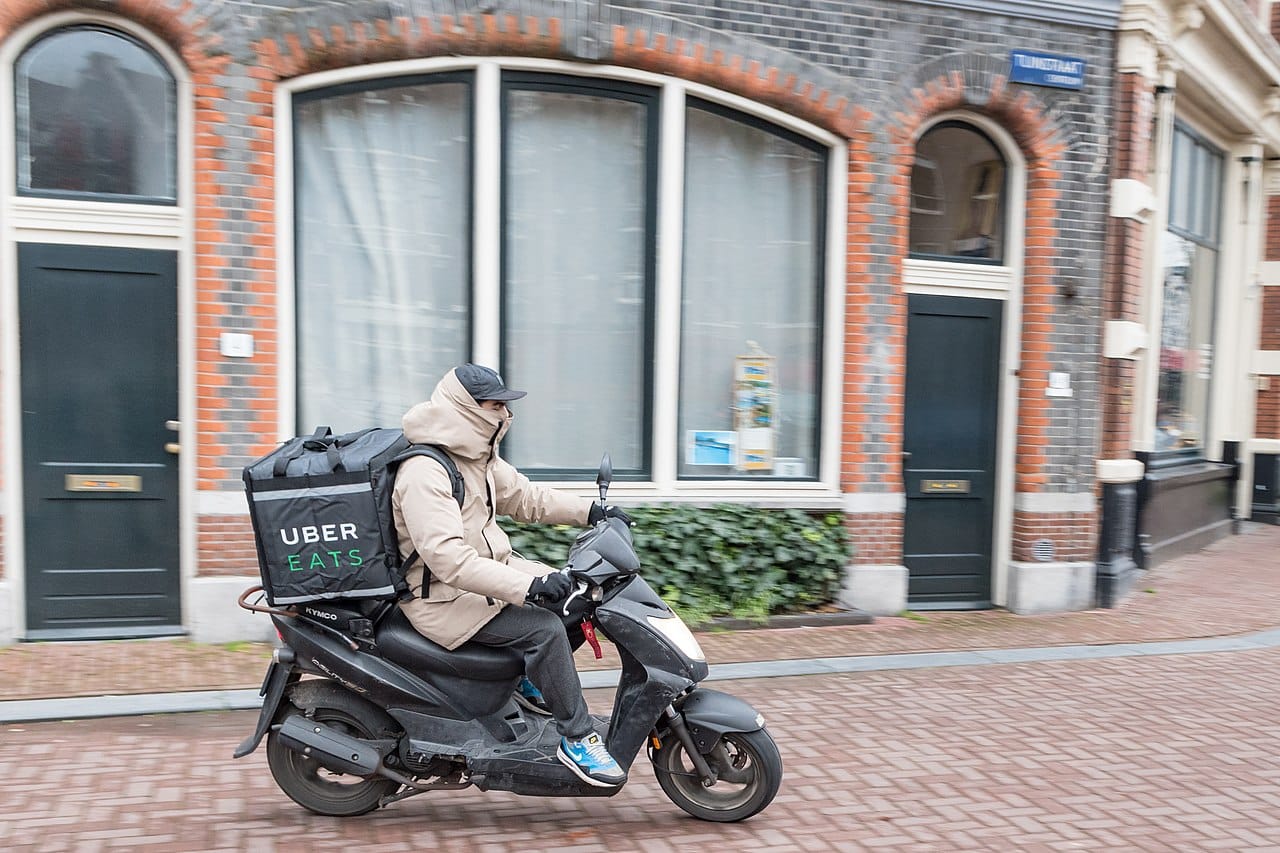
Uber will launch Uber Eats in Greece in 2026, bringing its food delivery platform to the country for the first time as part of a seven market European expansion drive.
The move expands Uber’s regional footprint and increases pressure in Europe’s multi billion euro delivery sector, where major tech platforms now compete aggressively for market share, according to a report.
The rollout covers Greece as well as Austria, Denmark, Finland, Norway, the Czech Republic, and Romania. Uber expects these new operations to produce about $1 billion in additional gross bookings over the next three years.
Uber Eats strategy targets markets with established rivals
In this phase, Uber is moving directly into markets where strong delivery players already operate. Susan Anderson, the company’s global head of delivery, told the Financial Times that Uber intends to challenge settled competitive dynamics.
“It’s time to reset expectations in Europe,” she said. “We are excited to enter seven new markets where incumbent players have grown comfortable. We believe it is time to raise the bar, change the playbook, and deliver better value across the category.”
This expansion puts Uber Eats head to head with Wolt, the delivery platform that DoorDash acquired in 2022. Wolt already holds a strong presence across parts of Northern and Central Europe, which raises the competitive stakes in those regions.
Market share rising in core European countries
Meanwhile, Uber Eats continues to gain ground in its largest European markets, which strengthens its position ahead of the new launches. Those markets include the United Kingdom, Germany, France, and Spain.
Data from YipitData show that Uber’s UK delivery share rose from 28 percent in January 2022 to 38 percent by December last year. In Germany, its share increased from 10 percent to 26 percent over the same period.
Transport network provides built In advantage
At the same time, Uber leverages its ride hailing customer base to accelerate delivery adoption. The company can promote food delivery directly to existing mobility users and convert them faster than newer entrants.
Anderson underscored that advantage, noting that Uber maintains long standing customer relationships through its transport platform. “We have a strong, established relationship with customers through the mobility side of Uber, and that has always been our advantage in this space,” she said.