
Published on
January 26, 2026

Greece & Western Europe remain closely linked in travel planning, with Greece continuing to rank among the most preferred destinations for Western European travelers over the next 12 months. New research confirms that Greece holds a strong competitive position across its key source markets, even as competition among Mediterranean destinations intensifies.
According to the latest study released by INSETE, the research arm of the SETE, Greece consistently places within the top five outbound travel choices for travelers in Germany, France, the United Kingdom, Italy, and Spain. Together, these five markets generate nearly half of Greece’s inbound tourism revenue, making their preferences a key indicator of future travel performance.
Greece Tourism Growth
The study, titled “Brand Greece: How Attractive Is Greece as a Tourism Destination? A Comparison with Competing Mediterranean Destinations”, assesses destination appeal across multiple criteria, including intention to travel, destination image, and competitive positioning. The findings show that Greece continues to benefit from high brand recognition and broad appeal across different traveler segments.
Germany and the United Kingdom remain Greece’s most important tourism markets. In Germany, Greece ranks third among preferred international travel destinations for the coming year, maintaining its position among the top choices for German travelers. Germany continues to deliver strong volumes of arrivals and travel spending, driven by demand for beach holidays, island stays, and cultural tourism.
Advertisement
Advertisement
Advertisement
Advertisement
In the United Kingdom, Greece ranks fourth as a preferred destination for travel abroad over the next 12 months. The study highlights that Greece improved its position by one place compared with 2024, reducing the gap with higher-ranked destinations. This shift reflects sustained interest from UK travelers, particularly for summer holidays, island hopping, and city-and-beach combinations.
France, Italy, and Spain also continue to feature Greece within their top five outbound travel choices. These markets show consistent interest in Mediterranean destinations, with Greece competing closely with neighboring countries offering similar climate and coastal appeal. Greece’s ability to retain a top-five position across all five markets underscores its broad-based attractiveness rather than reliance on a single source country.
European Favourite Destination
Advertisement
Advertisement
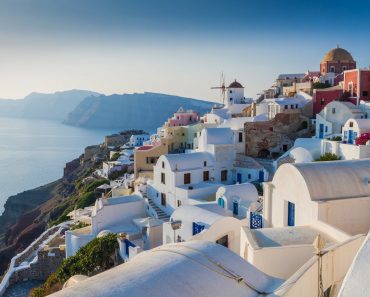
From a travel perspective, Greece’s appeal spans multiple tourism products. Island destinations such as Crete, Rhodes, Corfu, and the Cyclades remain central to leisure travel demand, while mainland regions and cities such as Athens and Thessaloniki support cultural, short-break, and off-season tourism. This diversity allows Greece to capture interest from families, couples, solo travelers, and repeat visitors alike.
Air connectivity plays a critical role in maintaining Greece’s position. Extensive direct flight networks from Western Europe to Greek islands and regional airports support ease of access, a factor consistently valued by travelers when choosing destinations. Seasonal capacity expansions during peak periods further reinforce Greece’s competitive standing.
The research also points to the importance of Greece’s destination image. Travelers associate Greece with sun-and-sea tourism, but also with heritage, gastronomy, and natural landscapes. This layered image supports travel intent across different seasons, helping Greece extend demand beyond the summer peak.
Competition across the Mediterranean remains intense, with destinations such as Spain, Italy, Turkey, and France actively targeting the same markets. However, Greece’s consistent top-five ranking indicates that it continues to hold its share of traveler attention, even as alternatives expand their offerings.
For tourism planners, the findings provide insight into booking behavior for the year ahead. High stated travel intent in core markets suggests stable demand for Greek destinations, supporting airline scheduling, hotel planning, and tour operator programming.
Seasonality remains a factor in travel choices. While summer remains dominant, interest in shoulder-season travel is growing, particularly among travelers from Germany and the UK. Cultural tourism, city breaks, and nature-focused trips are contributing to demand outside peak months.
The study’s focus on intention to travel highlights forward-looking sentiment rather than retrospective data. This perspective is particularly relevant for the tourism industry, as it helps forecast demand and adjust capacity ahead of time.
For travelers, Greece’s sustained popularity reflects its ability to deliver familiarity alongside variety. Repeat visitors often return to explore new islands or regions, while first-time travelers are drawn by the country’s strong reputation and accessibility.
Economic conditions and travel costs remain considerations, but Greece’s broad accommodation range—from resorts and boutique hotels to self-catering and budget options—supports different spending levels. This flexibility enhances Greece’s resilience in fluctuating market conditions.
The findings also reinforce Greece’s importance within Western European travel patterns. Short flight times, shared cultural touchpoints, and strong tourism infrastructure position Greece as a reliable and appealing option for international travel.
Conclusion
As Western European travelers plan holidays for the coming year, Greece’s consistent ranking among top destinations signals continued confidence in its tourism offering. The country’s ability to maintain strong positions in multiple markets reflects not only demand for its landscapes and culture, but also the effectiveness of its tourism connectivity and destination diversity.
Looking ahead, the research suggests that Greece is well placed to retain its share of Mediterranean travel demand. While competition will remain strong, Greece’s standing across Germany, the UK, France, Italy, and Spain provides a solid foundation for sustained tourism performance over the next 12 months.