
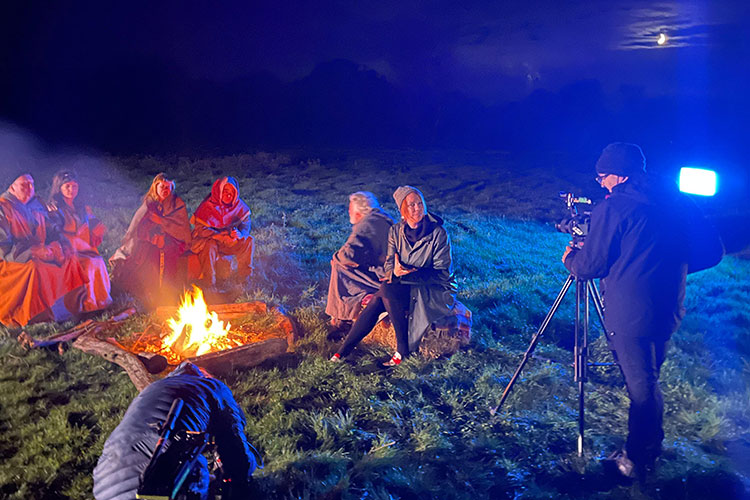

Filming with Dr Eleanor Janega for ‘The Dead of Winter: Medieval Ghost Stories’
Image Credit: History Hit
This winter, Dr Eleanor Janega guides us into the shadowed corners of the medieval imagination – a world where the veil between the living and the dead was dangerously thin.
In History Hit’s new documentary, The Dead of Winter: Medieval Ghost Stories, Eleanor draws on medieval chronicles, religious monuments, and Icelandic sagas to uncover why the dead were believed to walk again. By investigating the supernatural potency of the winter solstice, she reveals how these haunting tales reflect deep-seated anxieties over sin, salvation, and the bonds of medieval community that still echo across the centuries.
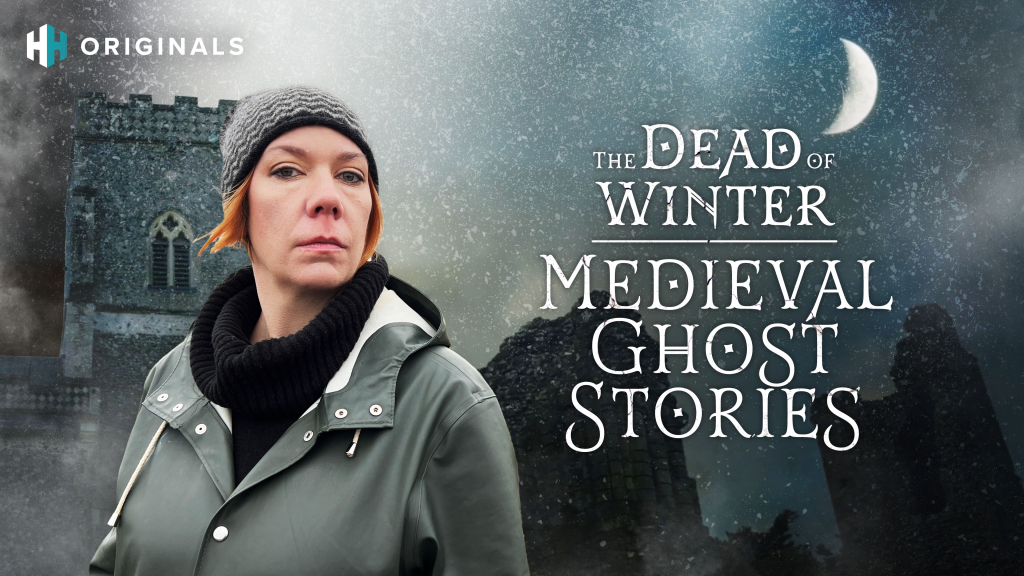
This winter, Eleanor Janega leads us into the darkness… where the dead refuse to stay buried.
Purgatory and the returning dead
As the days shorten and the nights stretch toward the winter solstice, the shadowed weeks of Advent transform into a journey into the heart of darkness. In the medieval world, it was believed that the veil between the living and the dead reached its thinnest, allowing spirits to walk openly among the living. As families huddled around the hearth to stave off the biting cold and the darkness, ghost stories shared in the flickering firelight reached the height of their haunting potential.
Countless ghost stories survive from this era because, for the medieval mind, death was a transition rather than an end. “For medieval people, there wasn’t much of a line between the living and the dead,” explains Eleanor. Spirits returned for many reasons, with purpose: to frighten, to warn, or to plead for mercy.
The emergence of Purgatory – a realm of post-mortem purification – radically transformed the ghost story. Spirits were increasingly seen as souls returning to beg for help, urging the living to shorten their suffering through prayer and religious intercession. These were more than just tales of terror; they were profound expressions of faith and hope in a world where death was a constant companion.
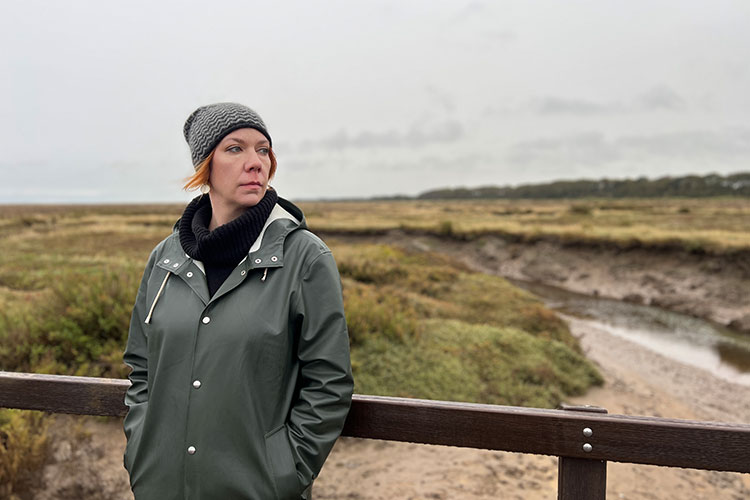
Dr Eleanor Janega on location in Norfolk
Image Credit: History Hit
The Dark Hunt of Peterborough
One of the most chilling accounts comes from Peterborough Abbey, 900 years ago – at the time one of England’s most important strongholds of Christianity. In 1127, the community was paralysed by the arrival of “The Wild Hunt.” Recorded in two separate contemporary chronicles, eyewitnesses described a terrifying procession of “black, huge, and loathsome” hunters riding black horses and billy goats, accompanied by wide-eyed hounds. The horns of the hunt reportedly rang through the woods for 50 nights – the entire end of winter.
However, Eleanor uncovers a fascinating political layer to this haunting. The apparition began the night after the arrival of a new abbot, Henry of Poitou. A relative of King Henry I, Poitou was viewed by the local monks as a “drone in the hive” – a foreign interference interested only in wealth and power, and a means through which the king could assert his authority over the monasteries – bypassing the traditional custom of the monks electing their leader.
“The Peterborough hunt is an incredibly convenient haunting,” Eleanor points out. The monks used the story to suggest that God Himself was displeased with the appointment. The Wild Hunt was a tangible sign of divine wrath, showing how ghost stories allowed the Church to resist royal control and assert its own authority on how things should be done.
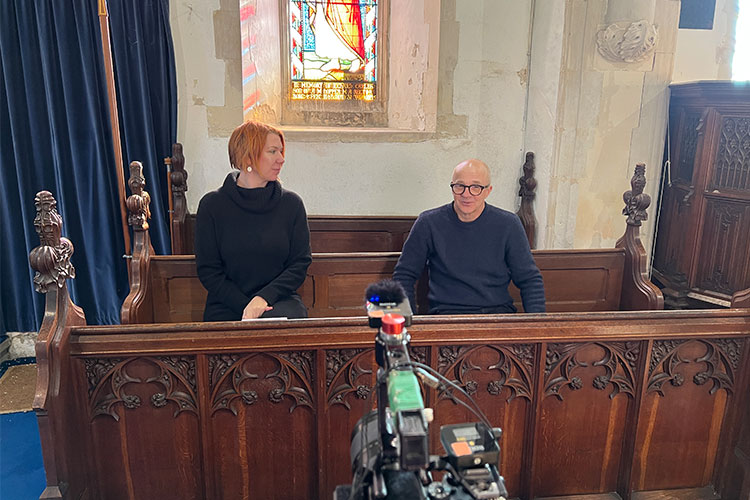
Dr Eleanor Janega and Bill Locke (Head of Programming and Executive Producer) on location
Revenants: the physical dead
Beyond the spectral warnings from Purgatory lay a much more visceral fear: the revenant. Unlike the ghosts of modern cinema, medieval revenants were often believed to be physical corpses that refused to stay in the ground.
Eleanor explores these “living dead” in the documentary through several chilling examples:
- The Chained Monk: A spirit so restless and troubled that his corpse had to be buried in iron chains to prevent it from rising.
- The Icelandic Sagas: Tales of drowned men returning to their villages, dripping with seawater, to sit by the hearths of the living.
- The Warning from Purgatory: A young choir girl sent back to the world of the living with a chilling message regarding the state of her soul.
Protecting against these physical threats required constant vigilance, turning rituals and prayers into essential tools for survival. The Church became the ultimate shield, using these stories to teach moral behaviour and enforce social order.
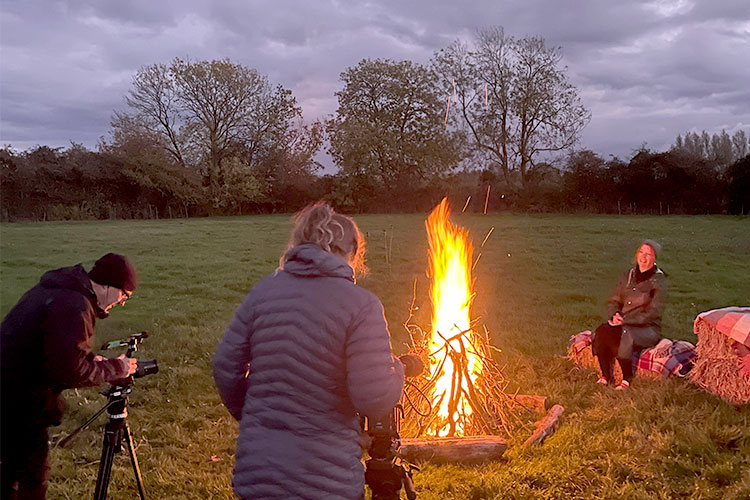
Some of the History Hit production team filming in Norfolk
Image Credit: History Hit
A legacy that lingers
Eleanor concludes that medieval ghost stories were never intended just to frighten. They were a way to explain the world, to enforce duty and honour, and to build community around the shared hearth during the long, cold winter.
“We still do it today,” Eleanor says. “We use ghost stories to bring us together and explain the world around us.” Whether it is a warning from Purgatory or a black hound in the night, these stories still echo across the centuries, reminding us that even in our modern world, we still have a fascination with what lingers in the dark.