
Prime Video has been on a roll with its fantasy offerings, and its newest confirmed adaptation promises an even more high-stakes retelling. Lore Olympus, Rachel Smythe‘s Eisner Award-winning webcomic, ran for three seasons and over 280 episodes on Webtoon Canvas and reimagined the classic myth, The Abduction of Persephone. In this modern take, Smythe’s webtoon digs into the darker side of the gods, exposing systems of abuse and power that protect perpetrators while silencing victims. Though these myths predate modern civilization, Lore Olympus proves their themes remain disturbingly relevant today.
‘Lore Olympus’ Puts a Modern Twist on the Story of Persephone and Hades
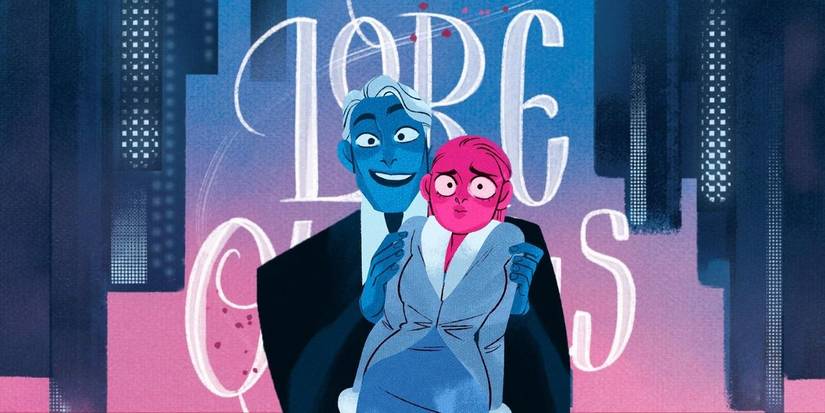
Lore Olympus is far from a traditional retelling set in ancient Greece. Instead, it reimagines ancient realms through a contemporary setting. Olympus, often described as a mountain high above the clouds and surrounded by sacred gardens and pillared white marble temples, is transformed into a contemporary city. This version of Olympus features skyscrapers, cars, cell phones, and other hallmarks of modern life — the only difference being that its inhabitants are Greek gods and goddesses. The same approach applies to the Underworld, which in Lore Olympus is just a short ride across the Acheron River. Unlike Olympus, the Underworld is a sunless, more corporate space within the immortal world.
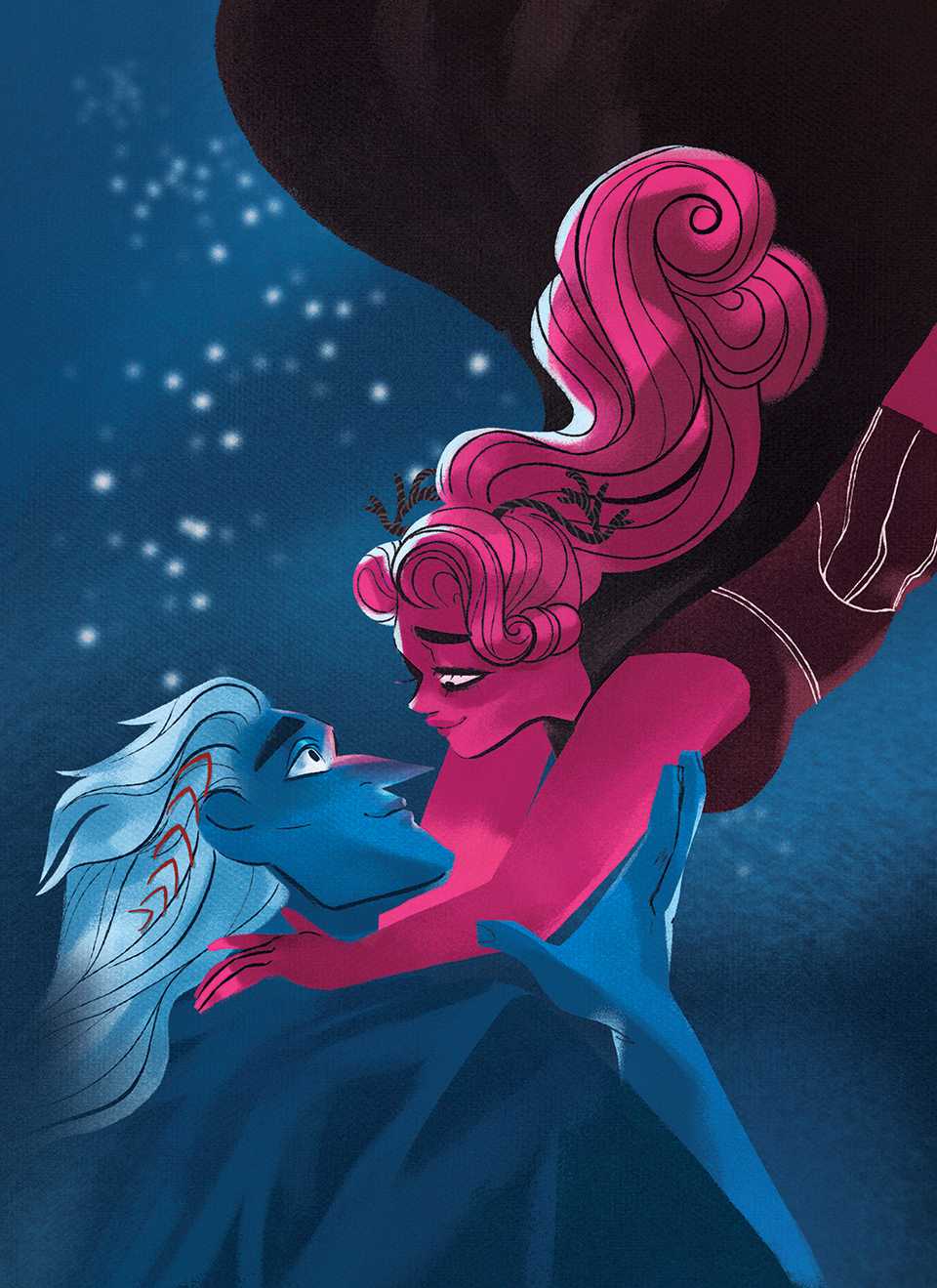
At the heart of Lore Olympus is Persephone, the sheltered young Goddess of Spring, as she leaves the Mortal Realm — and her overprotective mother — to pursue a college education in bustling Olympus. One night, at a party she is reluctantly dragged to, Persephone crosses paths with Hades, the King of the Underworld, whose dark reputation precedes him. To his subordinates, Hades is the feared CEO of the Underworld Corp, responsible for collecting, organizing, and employing mortal souls after death. Beneath this intimidating image, however, he is unexpectedly kind and well-mannered, sparking Persephone’s curiosity further.
‘Lore Olympus’ Depicts Larger-Than-Life Characters in a Completely New Light

Lore Olympus doesn’t just humanize its setting; it also humanizes the gods. Apart from rejuvenating the aesthetics of ancient Greek mythology, the contemporary settings give the once-distant dimension a grounded perspective that audiences can relate to. These deities are portrayed with recognizably human traits and flaws — a far cry from the typical pragmatism often associated with immortal beings. Within this space, the gods navigate authority, reputation, and desire much as people do, complete with imperfections and complex relationships. Some might argue that certain divine figures behave far worse than mortals, and among all the questionable characters in Lore Olympus, some deities take it too far.
Beyond its slow-burning romantic storyline, Lore Olympus is also a tragic tale about abuse. Hades is not the only deity who has his eyes on Persephone. Apollo, Olympus’ cheerful and favored golden boy and the God of the Sun, becomes dangerously fixated on her. When she resists him, he takes it too far and sexually abuses her. When Persephone later confronts Apollo, he gaslights her and denies everything. The same theme of abuse appears in Hades’ life. Having suffered familial abuse in his younger years, Hades believes he is no good for anyone. His loneliness is taken advantage of in his on-again, off-again relationship with his assistant, who claims no one could accept him but her.
Despite Its Sleek Retelling, ‘Lore Olympus’ Is Rooted in Ancient Mythology
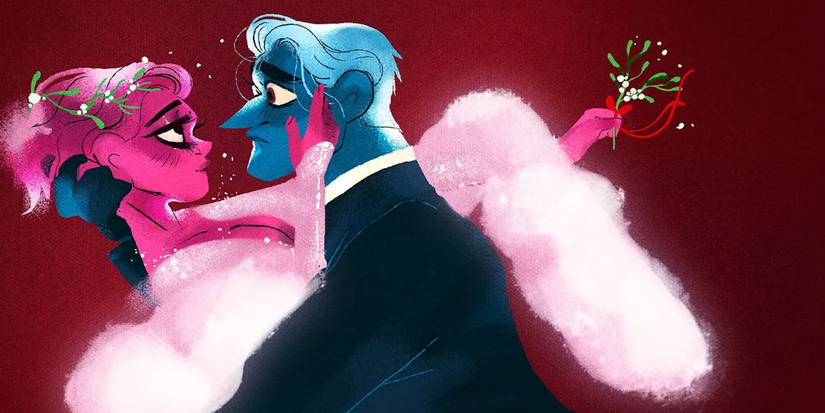
The systems of patriarchy and abuse in Lore Olympus are closely tied to millennia-old stories from ancient Greece. While some myths are reframed for creative freedom — most notably the love story between Hades and Persephone (in the original folklore, Hades is Persephone’s uncle and abducts her) — other elements remain largely faithful to the source. One such element is Persephone’s status as a fertility goddess, which makes her exceptionally powerful in the Mortal Realm, as she is responsible for providing fertile land for mortals to grow their crops. Because of this power, her body is constantly governed by Olympian politics, primarily by Zeus, who in Lore Olympus is portrayed as a narcissistic and promiscuous ruler.
On a larger scale, Hades is one of the six deities who make up the Six Traitors Dynasty, descendants of the Titans who banded together to lead a rebellion against Kronos, the ruler of the Titans. Kronos also happens to be Hades’ father, who abused him in an attempt to prevent a prophecy from coming true. Although Kronos is now imprisoned in Tartarus, the trauma follows Hades into adulthood, manifesting through recurring nightmares. While Kronos remains confined, the presence of a fertility goddess like Persephone near Hades’ whereabouts threatens to unsettle the balance once more, placing both Olympus and the Underworld in potential danger.
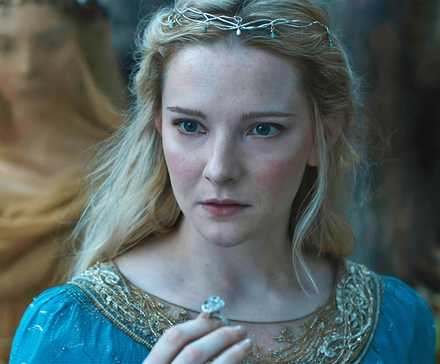
There’s a lot to celebrate about Lore Olympus getting the green light at Prime Video, especially since the streamer has a track record for canceling genre shows. In August 2024, Prime Video canceled My Lady Jane, its historical fantasy answer to Bridgerton, after just one season for failing to meet weekly viewership targets. The decision sparked widespread backlash, even prompting George R. R. Martin to voice his disappointment on his blog. A similar fate followed The Wheel of Time, which was canceled in May 2025 after three seasons. Despite strong reviews and a built-in fanbase from Robert Jordan‘s novels, its massive production costs, nearing $390 million, proved unsustainable. Meanwhile, The Lord of the Rings: The Rings of Power remains a fixture thanks to its five-season plan, despite its $58 million per episode budget. The takeaway is clear: fantasy is expensive. While Lore Olympus boasts over 1.8 billion Webtoon views as of date, translating that popularity into sustained Prime Video viewership and doing so within budget will be crucial to its longevity.
Lore Olympus
- Showrunner
-
Julia Cooperman
- Writers
-
Julia Cooperman