Published on
December 25, 2025

Greek tourism is set to break new records in 2025, with projections to welcome over 37 million visitors, driven by strong global demand and the country’s enhanced competitiveness. This growth has been fueled by strategic investments in tourism infrastructure and a focus on diversifying visitor experiences beyond the traditional island destinations. As the tourism sector continues to thrive, Greece is positioning itself for sustained success by promoting lesser-known regions and focusing on sustainable growth, ensuring a robust future in an increasingly competitive global market.
Greek tourism has firmly established itself as a dominant force in the global travel industry over the past decade. Fueled by a significant rise in international travel demand and the country’s enhanced competitiveness, Greece is on track to set yet another tourism record in 2025. Projections indicate that the country will welcome over 37 million visitors, continuing the strong growth trend that has marked its tourism sector in recent years.
However, despite this remarkable success, Greek tourism finds itself at a critical turning point. Traditional destination strategies that have served the country well for years are beginning to show signs of strain. While demand remains high, fresh sources of competition are emerging, posing a significant challenge for the country. For Greece to maintain its success and continue to build on its tourism achievements, it must adopt new strategies that address these challenges head-on, ensuring the sector remains resilient and sustainable in the long term.
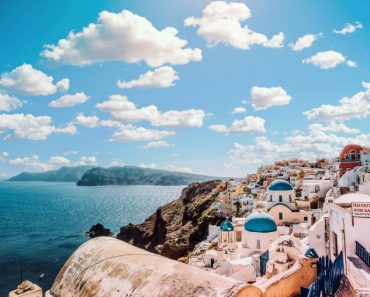
One of the key strategies for overcoming these challenges is to shift the focus towards promoting lesser-known destinations. Currently, the Greek islands are the dominant draw for international visitors, with nearly 50% of arrivals heading to these popular locations. However, these islands represent only 15% of Greece’s landmass, leaving vast areas of the country underexplored. By directing attention to Greece’s “hidden treasures”—the lesser-known cities, villages, and natural wonders—Greece can not only alleviate the overcrowding on the islands but also spread the economic benefits of tourism more evenly across the country. Encouraging visitors to explore off-the-beaten-path destinations could help Greece sustain its tourism growth without overburdening its most popular spots.
At the same time, Greece must prioritize investment in infrastructure to support the increasing number of visitors. Over the past five years, infrastructure investments have lagged behind tourism growth, leaving the country’s infrastructure 8% lower than pre-crisis levels. Meanwhile, tourism investments have increased by 14%, highlighting a growing gap between the demand for high-quality services and the country’s capacity to provide them. For Greece to remain competitive in an increasingly crowded global tourism market, it must invest in modernizing and expanding its infrastructure, from transport systems to public amenities, to ensure that visitors enjoy a seamless and comfortable experience. This investment will also help Greece manage its tourism success more effectively, ensuring that it can continue to meet the needs of travelers while minimizing any negative environmental or social impacts.
Looking back at 2025, the tourism sector experienced some turbulence in the first half of the year due to seismic activity in Santorini, which led to a slight contraction of just 0.6%. However, the sector rebounded strongly in the second half, with a remarkable 7% increase. This resilience demonstrates the underlying strength of Greece’s tourism industry and its ability to recover quickly from setbacks. In fact, forward bookings for the first quarter of 2026 are already 10% higher than in the same period in 2025, indicating that the demand for Greek tourism shows no signs of slowing down. The steady recovery and growth of the sector underscore the importance of continuing to build on the country’s successful tourism strategies while adapting to changing trends and new challenges.
The success of Greek tourism over the past decade has not been accidental. It has been the result of strategic decisions aimed at upgrading hotel quality and strengthening air connections. Greece’s investment in improving the overall quality of its accommodations and making it easier for travelers to reach its destinations has paid off, as evidenced by the country’s exceptional tourism performance. However, as competition from other destinations intensifies and new trends emerge in global travel, Greece must remain agile and responsive to these changes.
To stay ahead in a competitive landscape, Greece will need to innovate and adapt quickly to shifting demand trends. Travelers are increasingly looking for more sustainable, authentic experiences, and Greece must position itself as a leader in this area. By emphasizing its rich cultural heritage, stunning landscapes, and commitment to sustainable tourism practices, Greece can continue to attract visitors while also preserving its natural and cultural assets for future generations.
Moreover, Greece’s tourism industry must embrace the growing trend of digital transformation in the sector. Technology is reshaping the way travelers plan and experience their trips, from online booking platforms to digital guides and immersive experiences. Greece can leverage technology to enhance the visitor experience, improve operational efficiency, and create new opportunities for tourists to engage with the country in innovative ways.
Greek tourism is set to reach over 37 million visitors in 2025, driven by strong global demand and enhanced competitiveness. Strategic investments in infrastructure and the promotion of alternative destinations are key factors in this continued growth.
Ultimately, Greece’s future in tourism will depend on its ability to balance growth with sustainability. The country has shown that it can adapt to changing circumstances and overcome challenges, but to remain competitive in the global tourism market, it must continue to evolve. By investing in infrastructure, promoting hidden destinations, and embracing new trends, Greece can maintain its position as a leading destination for travelers from around the world. The key to success will be ensuring that the country can manage its tourism growth in a way that benefits both visitors and the local communities that rely on tourism for their livelihoods.