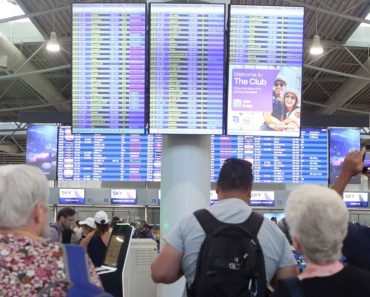
Greek seafarers started a 24-hour-long strike on Thursday. They halted local ferry services as they protested about vessel crews stuck in the Gulf during the Middle East conflict.
The ‘Iran – conflict’ threatens Gulf ports, and has already disrupted the global trade via the Strait of Hormuz. This is a major artery that accounts for around 20% of world oil and gas supplies. Iran has threatened to fire on any ships trying to pass through the Strait, even though it is not closed.
Greece has a stronghold in the global shipping industry, with one of the largest merchant fleets. Over 325 Greek-owned ships, with crews that include dozens of Greek sailors, are located in the Gulf region.
Angelos Galanopoulos is the head of the ‘Greece lower engine crews union Stephenson’.
Dozens protesters gathered outside the shipowners’ union near Piraeus port and spray-painted “No sacrifice for profit and wars” in the ground. A motorcycle convoy drove up to the Shipping Ministry.
The International Maritime Organization is concerned about the safety of approximately 20,000 seafarers. Since the conflict began Saturday, at least nine ships were damaged in strikes.
Most seafarers have the right under contract to refuse to travel in war zones, and to demand that the shipowner pay for their repatriation.
Ship tracking data revealed that dozens of ships were anchored in the open waters off the coasts of major Gulf producers, and dozens of tankers were in the Strait.
According to Apostolis Kypraios of the union of marine engineers PEMEN, risks include not only attacks but also possible food and supply shortages.
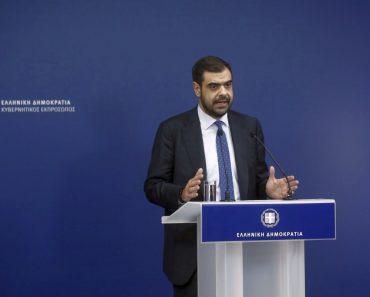
Kypraios stated that “the government and shipowners are responsible for people trapped in war zones.”
“We demand they ‘find a way for our colleagues to return home. Seafarers are concerned about their families and don’t know whether they will make it back alive or if they have been injured. Reporting by Renee Maltezou in Athens, Vania in London and Jonathan in London. Editing by Alexandra Hudson.
(source: Reuters)