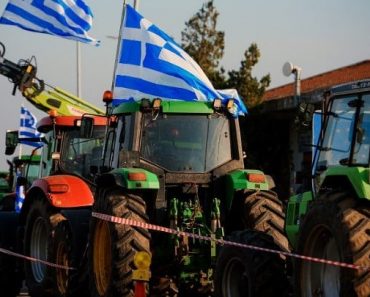

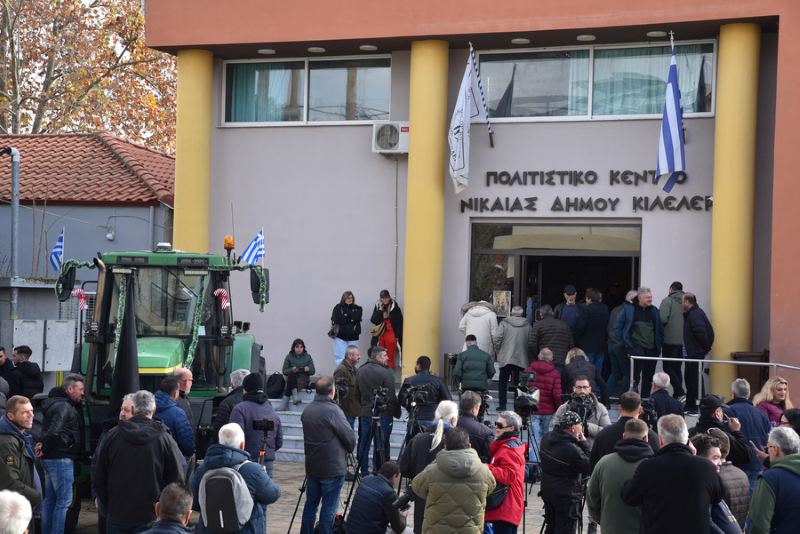
Farmers in Greece are refusing a Monday meeting proposed by Prime Minister Kyriakos Mitsotakis, planning instead to intensify roadblocks and formalize a list of demands. The move reflects frustration after weeks of ongoing protests, with farmers insisting they will not engage in dialogue unless their requests receive clear government responses.
Farmers Say Dialogue Would Be Performative
Leaders of the agricultural unions emphasized that attending the proposed meeting would be meaningless without substantive action from the government.
Rizos Maroudas, president of the United Federation of Agricultural Associations in Larissa, told reporters that farmers will not attend Monday’s meeting, calling the dialogue “performative” and emphasizing they do not want mere words of sympathy. Farmers say they will remain at the roadblocks until the government addresses their demands.
“We have the strength to see some of our requests fulfilled,” Maroudas said, adding that symbolic blockages of bypass roads are planned for Wednesday and Friday to demonstrate ongoing resolve.
Demands to Be Submitted Before Talks
The unions are preparing a detailed list of demands to send to the Prime Minister, making clear that any dialogue will occur only if the government responds. Farmers warned that negotiations cannot proceed under “performative” conditions and that escalation will follow if the requests are ignored.
Protests Could Intensify
Union representatives also noted that if the government fails to answer, roadblocks and other protest actions will increase in the coming days. Behind-the-scenes discussions continue to explore whether a meeting could happen, but farmers remain firm that conditions must be met before engaging.
The government is expected to address the protests and demands in Parliament later Saturday, as tensions remain high and farmers signal their commitment to continuing demonstrations until meaningful responses are received.
Christmas Travel at Risk as Roadblocks Disrupt Tourism and Local Businesses
If the farmers’ blockades continue through the Christmas holidays, Greece could face serious disruption to both domestic and international tourism. Major highways, border crossings, and ports are affected, causing travel delays, route closures, and logistical challenges for tourists. Destinations that had strong pre-holiday bookings, such as Volos, Pelion, and other mainland winter resorts, are already seeing cancellations and uncertainty among travelers. Ferry and cruise operations have also been disrupted in some areas, deterring arrivals during a period that typically brings high spending.
The economic impact could be substantial. Tourism contributes tens of billions of euros to the Greek economy each year, and disruptions during the holiday season could translate into millions in lost revenue for hotels, restaurants, and transport operators. Perishable goods and local supply chains are also affected, adding further costs to businesses. Authorities and tourism bodies warn that if the blockades persist, not only could immediate revenues suffer, but Greece’s reputation as a reliable holiday destination could also be damaged, with long-term effects on travel and hospitality.
Public Sympathy for Farmers Persists Despite Disruptions
Despite the economic disruptions caused by the blockades, public sympathy for the farmers’ grievances remains strong. Surveys indicate that about three in four Greeks believe the farmers are justified in their demands, though opinions are divided over the use of roadblocks, with roughly half supporting the tactic and the other half opposing it. Many citizens understand the pressure farmers face from delayed EU subsidies, fraud investigations into land claims, and losses caused by livestock disease, which helps explain broad rural support. At the same time, urban residents, tourism operators, and local authorities are increasingly frustrated as the blockades disrupt travel, ports, and daily life, highlighting a growing urban-rural divide in public sentiment.