
Fashion weeks and other major fashion events around the world are constantly evolving, moving towards internationalisation. An example is Mercedes-Benz Fashion Week Madrid that has embraced internationalization as part of its new strategy and, for the first time, showcased collections by an international designer, Silvia Tcherassi from Colombia, who received the MBFWMadrid 40th Anniversary International Designer Award.
The importance of international cooperation was also highlighted at this fall’s BRICS+ Fashion Summit, which has become a leading global platform attracting emerging economies from around the world. The forum draws interest from European countries and the USA, which view markets in Asia, Africa, and Latin America as promising avenues for business growth in today’s landscape.

“I value the BRICS+ Fashion Summit as an essential platform for emerging countries because it transforms fashion into a bridge of cultural, economic, and innovative communication. It helps brands project their identity, access new markets, and establish strategic alliances. It also provides knowledge in sustainability and digitalisation and transforms visibility into real business opportunities. In short, it is an infrastructure for dialogue and influence that accelerates internationalization and generates shared development,” says Sergio Puig, director of Mediterránea Fashion Week, and a participant at the BRICS+ Fashion Summit.
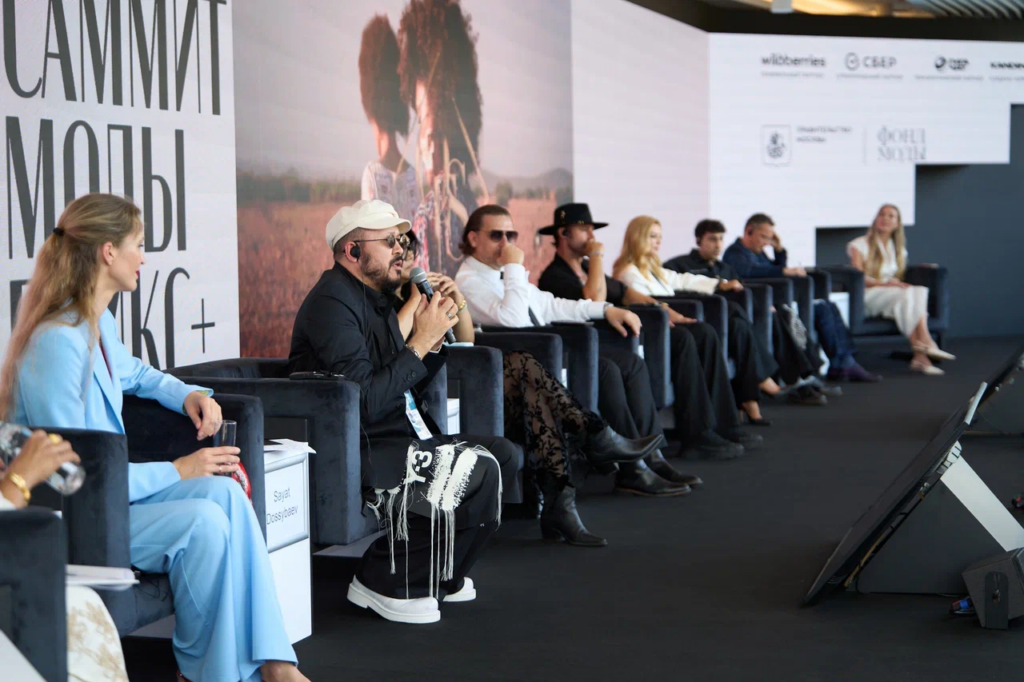
Discussions at the summit also covered how fashion week formats are changing, how to attract investors, and how to work more effectively with designers. Beyond established fashion capitals such as Paris, Berlin, London, Milan, and New York, new fashion centres are emerging worldwide, each with its own cultural identity. It’s vital for organizers of these new hubs to meet, share strategies, and promote their local fashion industries.
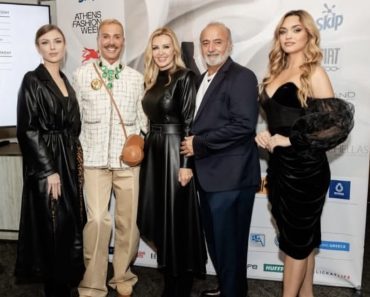
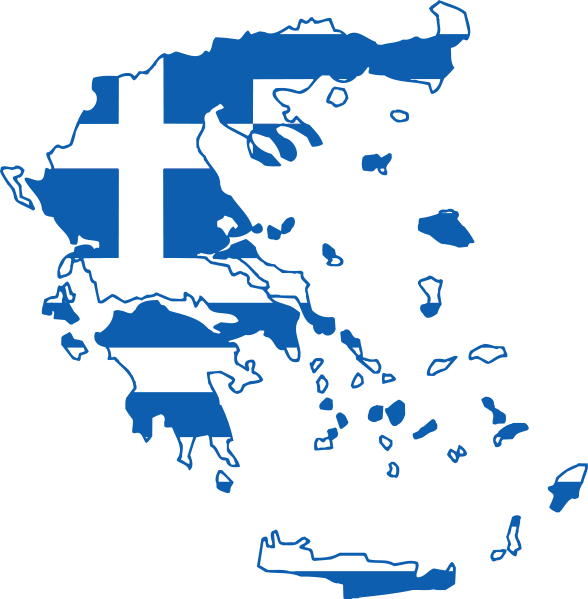
Tonia Fouseki, head of Athens Fashion Week, participated in the panel discussion at the Summit and highlighted the success of integrating Greek cultural elements into modern fashion. Thanks to her initiative to showcase national traditions through fashion shows, Greek consumers are increasingly favoring local designers. According to the market data, Greece’s fashion industry is experiencing steady growth, reflecting growing trust in domestic brands and their competitiveness on the global stage.
“The BRICS+ Fashion Summit serves as a vital communication platform for emerging countries, offering them a unique opportunity to amplify their voices in the global fashion industry. For many emerging markets, gaining visibility and recognition internationally can be challenging due to limited access to established networks and resources,” says Tonia.
Other speakers at the summit also stressed the importance of collaboration. Adrian J. Mizzi, Executive Producer of Malta Fashion Week and President of Malta Fashion Association, pointed out: “Collaboration among countries with emerging economies in the fashion sector is vital. It allows for shared resources, creativity, and market access, helping these nations strengthen their global presence. By working together, they can challenge established industry leaders, support local talent, and promote cultural diversity. Such partnerships also drive innovation and create sustainable growth opportunities in a competitive global market.”

A notable event supporting this international exchange was Moscow Fashion Week, which coincided with the summit. The event emphasizes both domestic talent – including regional and emerging designers – and international cooperation. This season, brands from 13 countries participated, including Spain, India, South Africa, Brazil, Switzerland, Italy, and China. Meanwhile, Russian designers blend seamlessly into the schedules of major fashion weeks in India, China, Tunisia, Turkey, and Spain, fostering cross-border experience exchange and strengthening industry ties.
Solangel at Moscow Fashion Week
For instance, Russian brand Za_Za participated in Costa Rica Fashion Week as part of the exchange program with Moscow Fashion Week. They showcased a new collection focused on experimental shapes and textures, with intricate details and three-dimensional floral accents almost in every look. Brands like Solangel showcased their collections at Soweto Fashion Week in South Africa, while Li Lab and Inniki enjoyed great success at Mediterranea Fashion Week in Valencia.
Inniki at Moscow Fashion Week
Fashion today is becoming a more interconnected and globalized ecosystem, where success depends less on geographic location or market size, and more on strategic international partnerships and authentic cultural expression. With emerging markets growing three times faster than developed economies – and by 2025 accounting for over 55% of the global women’s apparel market – fashion weeks are evolving from regional showcases into essential platforms for shaping global trends and forging business alliances. The future of the industry will be shaped by organizers who can blend the promotion of local cultural identities with building effective international communication, transforming fashion into a tool for sustainable development and global cultural exchange.