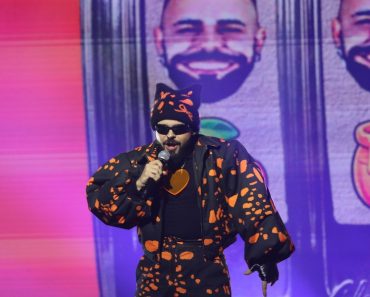

Bad Bunny’s appearance at the Super Bowl 2026 final brought renewed international attention to one of his earlier projects, a dark-themed music video filmed on Mykonos in 2019 that once sparked strong local backlash.
As debate intensified over his Super Bowl performance, online audiences and media outlets revisited the controversial island shoot and the criticism it originally generated.
Mykonos music video triggered local reaction
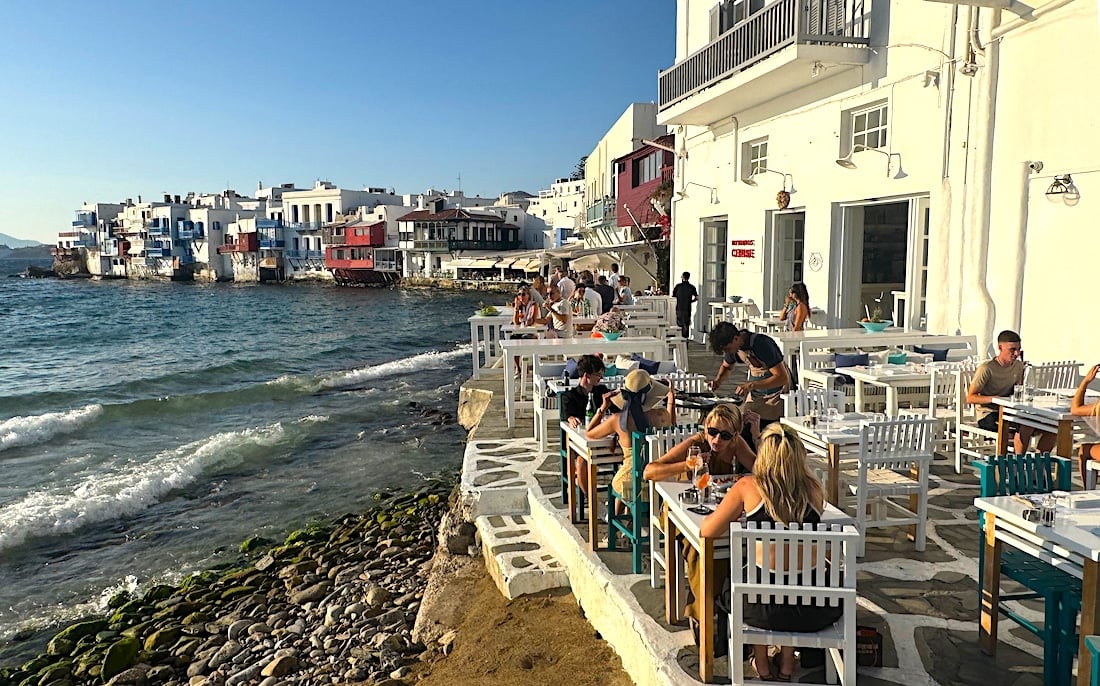
The music video, directed by Colin Tilley and featuring Bad Bunny alongside J Balvin, used Mykonos as the backdrop for a surreal, horror-inspired concept. Rather than highlighting the island’s signature luxury and vibrant summer ambiance, the production embraced gothic aesthetics and deliberately unsettling imagery.
Both artists appear in eerie masks and blood-effect makeup, moving through the island’s narrow blue-and-white streets accompanied by a group of black-clad goth dancers. The video opens with a giant monster figure rising from the sea near the shoreline, immediately establishing a dark, ominous narrative tone.
The three-and-a-half-minute music video also contains visual references that viewers linked to the film Donnie Darko and to the WWE character Sting. Upon its release, some Mykonos residents and local commentators contended that the depiction harmed the island’s image and misrepresented its identity.
Bad Bunny’s Super Bowl performance reignites discussion on Mykonos video
Years later, Bad Bunny’s Super Bowl 2026 performance reignited scrutiny of his artistic choices and use of symbolism. The show drew particular attention because it was delivered entirely in Spanish, a decision widely described as historic for such a vast US television audience.
Supporters hailed the move as a landmark moment for Latin music visibility and cultural representation. Critics, however, questioned both the creative direction and the broader message of the performance. Among the detractors was US President Donald Trump, who publicly characterized the show as offensive to the United States.
As the debate widened, earlier controversies, including the Mykonos music video, resurfaced across social media and news platforms.
Bad Bunny’s background and rise to global fame
Benito Antonio Martínez Ocasio, professionally known as Bad Bunny, was born on March 10, 1994 in Puerto Rico and entered the music industry through independent online releases. Until 2016, he worked as a supermarket cashier while studying audiovisual communication, uploading tracks to SoundCloud that steadily gained attention.
His breakthrough arrived in 2016 with the hit single Soy Peor, marking the start of a rapid ascent within Latin urban music. He became known for blending reggaeton and Latin trap influences while performing exclusively in Spanish, even as he topped international charts in predominantly English-speaking markets.
His stage name stems from a childhood photo in which he wore a bunny costume with an irritated expression. That image later evolved into one of the most recognizable brands in contemporary Latin music.