Every man dreams of achieving that chiseled, statuesque physique reminiscent of ancient Greek gods.
But those legendary bodies weren’t built on mythology—they were forged through a sophisticated training system that still holds relevance today.
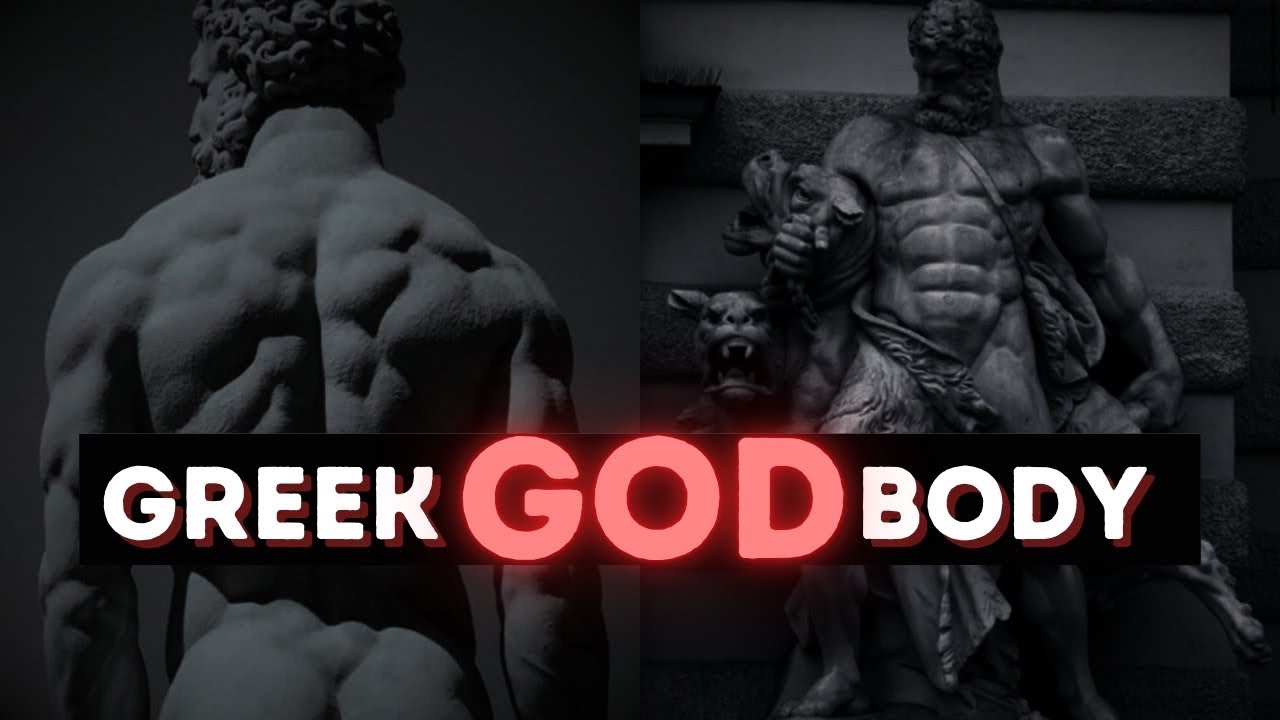
Fitness expert and historical training enthusiast reveals how ancient Greek athletes sculpted their god-like physiques using a four-day cycle called the tetrad system.
And the principles might just revolutionize modern workout routines.
The Truth Behind Greek God Physiques
Those marble statues depicting Zeus, Apollo, and Hercules weren’t pure fantasy. They were modeled after real ancient Greek athletes who dominated Olympic games and inspired an entire civilization’s physical ideal.
To replicate these sculpted physiques, modern fitness enthusiasts need to look beyond the gods themselves. The secret lies in understanding how ancient Greek athletes actually trained—specifically through their revolutionary four-day training cycle.
The Tetrad System: A Four-Day Cycle to Greatness
Ancient Greek trainers developed a sophisticated approach to physical development that balanced intensity, recovery, and strategic muscle building. Each day served a specific purpose in the overall training architecture.
Day One: Activation Day
The first day focused on activating the nervous system and preparing the body for harder work ahead. Athletes performed short sessions of explosive exercises—think plyometrics, explosive conventional lifts, short sprints, or weighted jumps.
Ancient Greeks used special weights called haltere for their jumping exercises. But here’s the counterintuitive part: keeping it short was paramount.
I know it goes against all workout instinct to stop while you still feel strong and energetic, but that’s exactly what you want to do here. Stop your workout before you peak.
Modern equivalent exercises include box jumps, medicine ball slams, power cleans, and sprint intervals. The goal isn’t exhaustion—it’s priming the body for maximum performance.
Day Two: The Day of Toil
This was when ancient athletes pushed themselves to their absolute limits. Day two represented the heaviest training of the entire cycle, focused on building maximum muscle conditioning and strength.
But it wasn’t just physical. Trainers emphasized this day as equally challenging mentally, testing an athlete’s willpower and determination.
Ancient Greek trainers placed particular emphasis on developing legs and back, hitting those muscle groups hardest during this session. Common exercises included stone deadlifts and heavy lunges.
Interestingly, digging was considered excellent strength training. Modern fitness programs replicate this movement pattern using kettlebell “around the world” swings—a full-body explosive movement that engages core, shoulders, and legs.
Day Three: Recovery Day
After pushing limits on day two, ancient Greeks understood something many modern gym-goers forget: muscles grow during recovery, not during workouts.
Day three employed active recovery methods including:
- Massage therapy
- Stretching routines
- Swimming
- Light recreational activities and games
These methods promoted relaxation while maintaining blood flow and preventing complete stagnation. Sound familiar? Modern elite athletes follow nearly identical recovery protocols, demonstrating how advanced ancient Greek training methodology truly was.
Day Four: The Medium Day
The final day of the tetrad cycle focused on exercises performed with medium intensity for medium volume. Athletes targeted weak points and built strategic muscles that needed attention.
Modern implementations of this principle might involve “armoring” the upper body—strengthening shoulders, arms, and chest—while intentionally leaving one or two reps in reserve for each exercise. This prevents overtraining while still providing meaningful stimulus.
After completing day four, athletes repeated the entire cycle continuously, with lighter recovery cycles periodically inserted to prevent burnout and overtraining.
Ancient Wisdom Summarized
The ancient philosopher Philostratus elegantly summarized the tetrad system’s logic:
The first day prepares the athlete, the second is the day of toil, the third is devoted to relaxation, and the fourth is a middle condition.
This simple framework encapsulates a sophisticated understanding of human physiology, periodization, and progressive overload—concepts modern exercise science “discovered” thousands of years later.
Nutrition: The Other Half of the Equation
Training alone didn’t create those legendary physiques. Ancient Greek athletes followed nutritional principles that mirror modern sports nutrition recommendations.
The civilization strongly valued moderation. Historical data suggests average athletes consumed well-rounded diets with carbohydrates before training and protein-rich meals afterward.
Remarkably, they maintained only a 200-400 calorie daily deficit—a moderate approach that prevented muscle loss while promoting leanness. This would explain the impressively lean condition depicted in statues and described in early Roman sources.
Ancient Supplements and Extreme Diets
Athletes experimented with performance nutrition long before protein powders existed. Hippocrates—yes, that Hippocrates—was actually the first person in recorded history to recommend consuming whey serum.
Some athletes tried extreme approaches:
- One runner consumed only honey leading up to Olympic races
- A strongman believed eating exclusively meat was his success secret
Sound familiar? These approaches bear striking resemblance to modern sugar-based and carnivore diets. Perhaps nutritional experimentation hasn’t changed as much as we think.
Ancient Greece: The Original Fitness Culture
Much of contemporary fitness knowledge traces directly back to ancient Greek civilization. Equipment like dumbbells and kettlebells evolved from their training tools.
Even the word “gym” derives from gymnasia—the ancient Greek term for training facilities where athletes honed their bodies and minds simultaneously.
Ancient Greek fitness shared remarkable similarities with modern sports science. They understood periodization, progressive overload, active recovery, and strategic nutrition—principles many gyms still struggle to implement correctly today.
Building Your Own Greek God Physique
The tetrad system offers a refreshing alternative to typical training splits. Its four-day structure provides:
- Built-in periodization through varying intensity levels
- Adequate recovery preventing overtraining syndrome
- Nervous system optimization through activation days
- Sustainable long-term progress through balanced programming
Modern implementations can adapt ancient principles to contemporary equipment and knowledge while maintaining the fundamental structure that produced legendary physiques.
Those marble statues weren’t carved by accident. They represented real athletes who followed systematic training protocols remarkably similar to what exercise science recommends today. By understanding and applying the tetrad system’s principles—strategic activation, maximum effort days, proper recovery, and balanced medium work—anyone can pursue that timeless Greek god aesthetic.
After all, some wisdom never gets old.