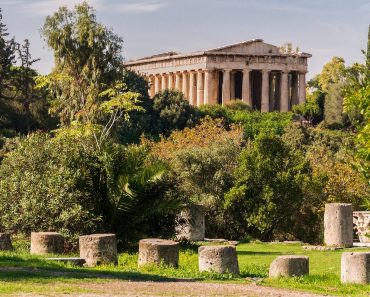

For Valentino’s Autumn Winter 2026 show, Alessandro Michele chose a setting that carried both its own history, and its own sense of drama. Inside Rome’s imposing Palazzo Barberini — a Baroque palace built on centuries of architectural rivalry — the collection unfolded as a study in tension.
Titled ‘Interferenze’, the show explored the push and pull that exists not just in architecture, but in the act of dressing itself. Clothes, after all, are never just decorative. They shape how their wearer moves, how they’re seen, and how they feel. This idea mirrored the building’s own history. Gian Lorenzo Bernini and Francesco Borromini, two architects with radically different visions, both left their mark on Palazzo Barberini. One favoured clarity, hierarchy and geometric order, while the other leaned into curves and spatial tension. Walk through the building today and that push and pull is still palpable. For its latest collection, Valentino translated that architectural dialogue into clothing.
On the runway, structure and fluidity existed side by side. Some looks felt almost architectural in their discipline, from precisely tailored jackets to suits and tightly-cinched waists that not only held their shape but guided the body of their wearer. Others softened those rigid lines, allowing fabric to shift and drape without being perfectly symmetrical. Voluminously draped skirts and oversized sleeves fell fluidly, in motion with each step. The result was a collection that never fully settled, comprising pieces that seemed to sit in constant negotiation between control and release.
But rather than resolving any opposites, the collection allowed them to exist side by side. As Michele’s show notes suggest, meaning emerges from an “unstable equilibrium” — a balance of forces rather than the dominance of one idea. Order remained present, but never rigid; elegance held its shape, even as it hinted at the possibility of coming undone. Inside Palazzo Barberini, surrounded by centuries of architectural tension between geometry and movement, that friction felt especially fitting. The building became part of the conversation, framing the clothes as they moved through its halls.