Small Greek Islands Tourism Is Booming Beyond Santorini and Mykonos
For years, Santorini and Mykonos dominated international travel wish lists, attracting millions of visitors with whitewashed villages, luxury hotels, and postcard-perfect sunsets. But in 2026, travelers are increasingly looking elsewhere. Small Greek islands tourism is experiencing a major rise as visitors search for quieter, more authentic Mediterranean escapes away from heavy crowds and rising prices.
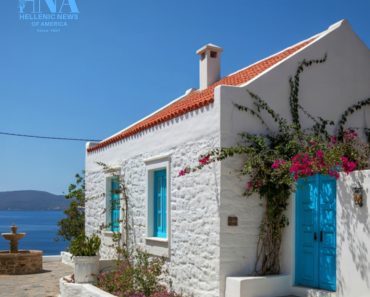
Across the Aegean Sea, destinations such as Naxos, Paros, Milos, Syros, and Astypalaia are welcoming growing numbers of international travelers. These islands offer many of the same breathtaking coastal views and Greek charm as their famous neighbors, but with a slower pace, more affordable accommodations, and stronger connections to local culture.
The trend reflects a broader shift in modern travel preferences. More travelers now prioritize meaningful experiences, sustainability, and authenticity over crowded tourist hotspots.
Why Travelers Are Choosing Hidden Greek Islands
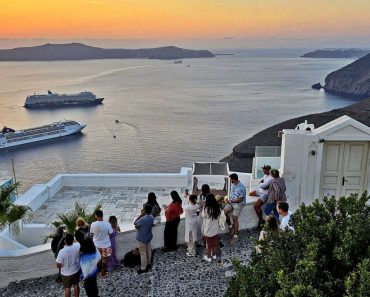
One of the biggest reasons behind the growth in hidden Greek islands is overcrowding in traditional destinations. Santorini and Mykonos continue to attract massive cruise traffic and luxury tourism, often resulting in packed streets, expensive hotels, and long waits during peak summer months.
Smaller islands provide a different kind of experience. Visitors can explore quiet fishing villages, family-owned tavernas, secluded beaches, and scenic hiking trails without the intense crowds found in larger tourism hubs.
Naxos has become especially popular for travelers seeking a balance between beaches, culture, and affordability. The island offers mountain villages, ancient ruins, and local food traditions that create a more immersive Greek island travel experience.
Milos has gained international attention through social media thanks to its dramatic volcanic landscapes and crystal-clear waters. Meanwhile, Syros attracts travelers interested in architecture, history, and a sophisticated local atmosphere that differs from the party-focused energy of some neighboring islands.
Improved Access Is Fueling Greek Island Travel
Transportation improvements are playing a major role in the expansion of small Greek islands tourism. Greece has invested heavily in ferry infrastructure, regional airports, and port upgrades to improve accessibility across the islands.
Travelers can now move between islands more efficiently, making multi-island itineraries easier than ever. Additional ferry routes and expanded seasonal flights from Europe have also increased tourism opportunities for destinations that were once considered difficult to reach.
For international visitors, this improved connectivity means smaller islands are no longer niche destinations reserved for experienced travelers. They are becoming accessible options for first-time visitors planning Mediterranean island vacations.
Luxury boutique hotels and upscale villa rentals are also expanding rapidly. Many travelers are discovering that smaller islands can provide premium experiences without the overwhelming crowds often associated with famous resort destinations.
Sustainable Tourism Greece Faces New Challenges
While the tourism boom creates economic opportunities, it also brings significant challenges. Many smaller islands have limited infrastructure and smaller local populations, making rapid tourism growth difficult to manage.
Water shortages, waste management, housing availability, and transportation congestion are becoming growing concerns in some communities. Local residents on several islands have expressed worries about rising property prices and pressure on public services during peak travel seasons.
As a result, sustainable tourism Greece has become an increasingly important conversation among tourism officials and local governments.
Several islands are introducing environmental initiatives focused on renewable energy, water conservation, and visitor management. Some destinations are promoting off-season tourism to reduce pressure during the busy summer months while maintaining economic activity year-round.
Greek authorities are also evaluating policies related to cruise tourism and short-term vacation rentals in order to protect local communities and preserve the character of these destinations.
The Appeal of Authentic Mediterranean Experiences
The rise of small Greek islands tourism reflects changing traveler priorities across the global tourism industry. Modern travelers increasingly value authenticity, local experiences, and slower travel styles over fast-paced sightseeing.
Smaller islands offer opportunities to connect with local culture through traditional food, artisan shops, fishing communities, and regional festivals. Travelers can spend afternoons exploring historic alleyways, enjoying long seaside dinners, or sailing through quiet coves instead of navigating crowded tourist centers.
This trend has made Greek island travel especially appealing to couples, remote workers, luxury travelers, and families seeking more relaxed vacations.
The growing popularity of experiential tourism also aligns with social media trends, where travelers increasingly search for destinations that feel unique and less commercialized.
Best Small Greek Islands to Visit in 2026
Several islands are emerging as standout destinations for 2026 travelers looking for authentic Mediterranean island vacations.
Paros combines beautiful beaches with stylish boutique hotels and a lively but manageable nightlife scene. It has become popular among younger travelers seeking a sophisticated alternative to Mykonos.
Astypalaia offers a quieter atmosphere with whitewashed villages, hiking trails, and eco-tourism initiatives that appeal to sustainability-focused visitors.
Syros stands out for its elegant architecture, cultural events, and year-round local community that provides a more authentic Greek experience beyond seasonal tourism.
Milos remains one of the fastest-growing destinations thanks to its unique geology, sea caves, and photogenic coastline.
Naxos continues attracting travelers who want a balanced mix of beaches, history, outdoor activities, and traditional Greek hospitality.
The Future of Small Greek Islands Tourism
As Greece continues posting record tourism numbers, smaller islands are expected to remain among the country’s fastest-growing travel destinations. Travelers increasingly want destinations that feel authentic, scenic, and less crowded while still offering comfort and accessibility.
However, tourism experts warn that long-term success will depend on careful planning and sustainable development. The challenge for Greece will be protecting the identity and natural beauty of these islands while supporting growing visitor demand.
For travelers planning Mediterranean island vacations in 2026, the shift beyond Santorini and Mykonos may create some of the most rewarding experiences in Greece. Small islands now offer the perfect combination of culture, relaxation, scenery, and authenticity that many modern travelers are searching for.
Related News: https://airguide.info/category/destinations/
Sources: AirGuide Business airguide.info, bing.com