
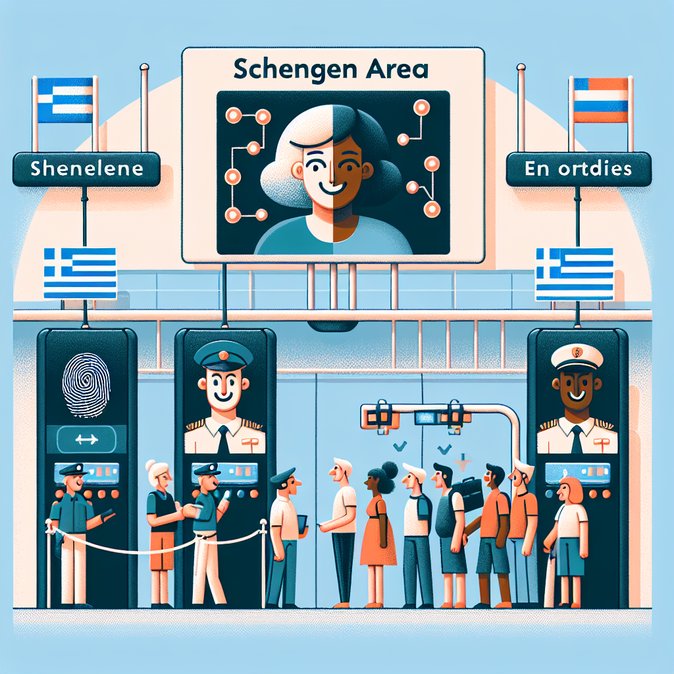
Less than three weeks after the European Union’s Entry/Exit System (EES) went live across 29 Schengen countries, Greece has unexpectedly suspended the requirement for British passport holders to provide fingerprints and facial images on arrival. The Greek embassy in London updated its travel advice on 17 April, but the news only filtered through to the serviced-apartment sector today, 27 April, via industry body ASAP.

For travellers trying to keep pace with these shifting requirements, VisaHQ’s UK platform (https://www.visahq.com/united-kingdom/) provides real-time updates, personalised alerts and hands-on assistance with any necessary visa or pre-authorisation paperwork for Greece and the wider Schengen zone, helping corporates and individuals navigate the changes with confidence.
Greek officials gave no timeline for reinstating full EES controls, citing “operational flexibility” during the ramp-up phase. In practice the exemption means UK tourists and business travellers landing in Athens, Thessaloniki or popular island airports will still have their passports scanned, but can skip the biometric enrolment kiosks that have generated queues of up to three hours elsewhere in Europe. For mobility managers the move removes an immediate bottleneck on one of Britain’s top leisure and project-assignment markets, but it also creates inconsistency: travellers transiting via Athens to another Schengen country will still need biometrics at their next port of entry. Travel policies should therefore continue to advise extra connection time within the zone. Airlines and travel-risk consultants say the Greek decision underlines how individual states can apply the EES rules differently, at least during the roll-out year. If more countries follow suit, corporates may need dynamic pre-trip briefings rather than a single EU-wide guideline. Looking ahead, the temporary reprieve does not affect the separate ETIAS pre-travel authorisation, now slated for late 2026. Companies should maintain budget provisions for that additional step and monitor whether Greece’s policy shift accelerates wider calls for a phased biometric requirement for frequent flyers.