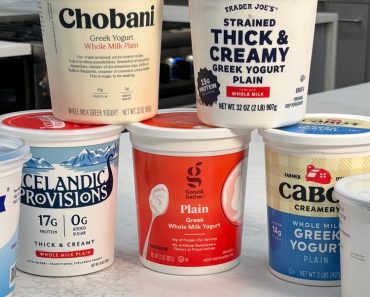


Greek yogurt has become harder to find at major Australian supermarket chains, with supplies limited for months at Woolworths, Coles and Aldi, according to ABC Australia. The shortage has affected popular brands including Chobani and YoPro, particularly high-protein varieties, as retailers point to a sharp rise in consumer demand.
Supermarkets say suppliers are already operating at full capacity, making it difficult to quickly increase production. Woolworths and Coles say they are working closely with suppliers to improve availability, although neither has given a clear timeline for when stock levels will fully return to normal.
Greek yogurt demand surges on Australian supermarket shelves
Social media has played a major role in the shortage. Earlier this year, the “Japanese cheesecake” trend spread widely online, prompting shoppers to buy Greek yogurt for a simple no-bake recipe made with Biscoff biscuits and yogurt. Retailers say the craze added to demand that was already running high.
At the same time, the popularity of high-protein diets has pushed more consumers toward Greek yogurt and other protein-rich foods. According to Aldi spokespersons, the same trend has also lifted demand for products such as cottage cheese, while Chobani representatives have said Greek yogurt continues to appeal to households because it is versatile, made with relatively simple ingredients, and naturally high in protein.
What sets Greek yogurt apart?
Greek yogurt has long stood out from other yogurts because of how it is produced. Traditionally, yogurt made in Greece is based on sheep or cow milk although most versions sold in supermarkets are made from the latter.
Its defining feature is the straining process, which removes whey and gives the product a thicker, creamier texture than regular yogurt. This also explains why it typically contains more protein and less sugar than many other yogurt products.
Its appeal goes beyond food trends alone. The high protein content can help people feel full longer, while also making it a useful source of protein for vegetarians. In addition, it contains probiotics, which are commonly linked to digestive health. Manufacturers also offer full-fat, low-fat, and nonfat versions, giving shoppers a wider range of options depending on dietary preferences.