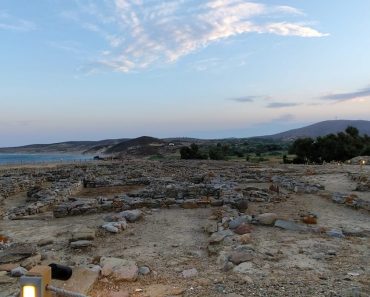


The Sabines occupy a remarkable place in the early history of Rome, with ancient tradition tracing the origins of this tribe to the Spartans and linking them to one of Greece’s most legendary warrior societies. Plutarch wrote, “And at all events, Numa was of Sabine descent, and the Sabines will have it that they were colonists from Lacedaemon.”
The association highlights the Roman fascination with martial excellence and structured social systems. Strabo, the geographer, and Plutarch, the biographer, provide insights that deepen our understanding of the Sabines. Together, their accounts reveal a people admired for discipline, religious devotion, and strategic influence.
Ancient accounts of Spartan roots: The Sabines as a Spartan tribe?
Ancient Greek geographer Strabo, writing in the first century BC, mentions the Sabines when describing the early ethnic landscape of central Italy. He emphasizes their social cohesion and military prowess, noting that they were organized into well-defined communities. Strabo also highlights the Arcadian roots of Latium, demonstrating the broader Greek influence on early Roman populations. These communities prioritized collective decision-making and upheld customs that reinforced loyalty among members. Strabo’s observations suggest that the Sabines’ reputation as formidable warriors arose not only from individual skill but also from their cohesive societal structure.
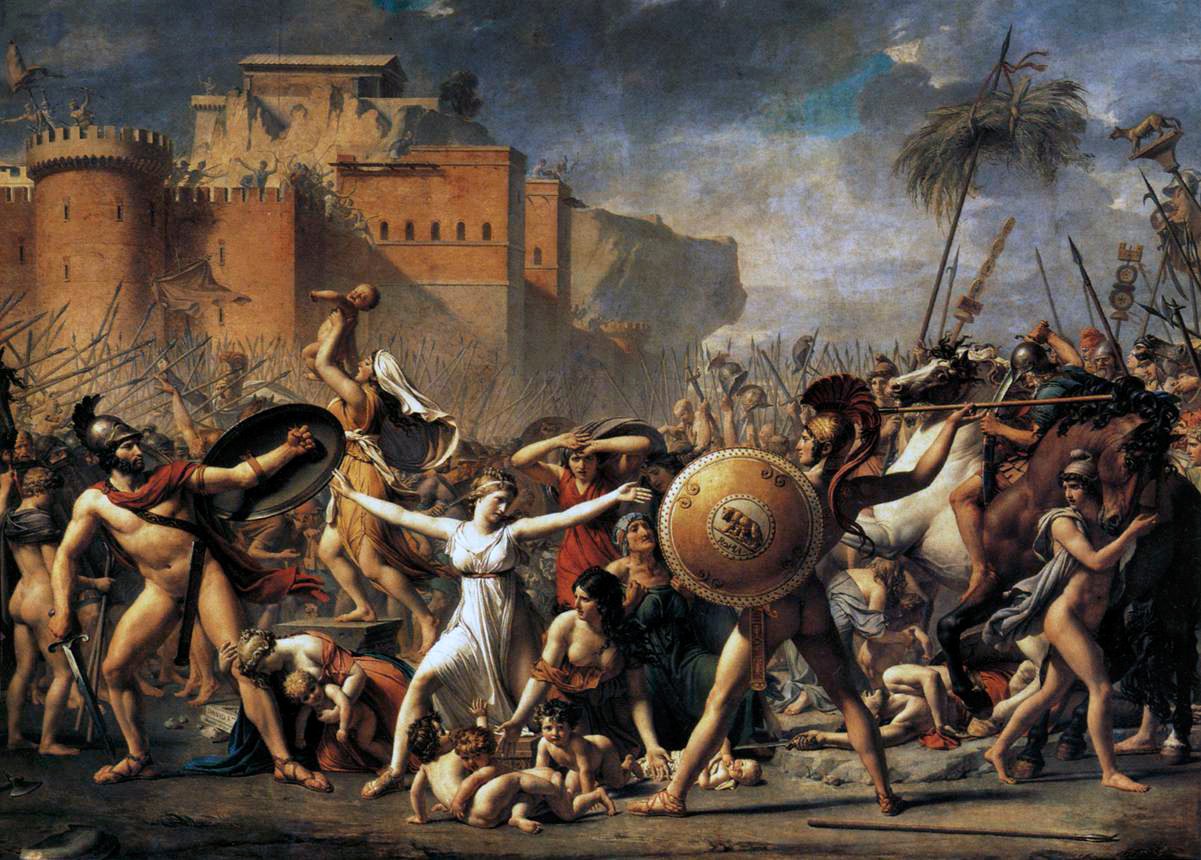
Plutarch, in his biographies of Roman and Greek figures, references the Sabines in connection with Rome’s foundational myths and describes them as a Spartan tribe. He recounts the famous tale of the “Rape of the Sabine Women,” an episode that highlights both conflict and eventual integration between the Sabines and the early Romans. According to Plutarch, the incident led to intermarriage and political alliances, ultimately strengthening Rome’s emerging social and military fabric. His perspective underscores the Sabines’ lasting influence on Rome through both bloodline and culture.
The Spartan roots of the Sabines provide intriguing context for Rome’s renowned martial reputation.
Social structures of the Sabines, the Spartan tribe
Beyond their military skill, the Sabines maintained intricate social structures. Each Sabine community functioned as a semi-autonomous entity, with leaders chosen for merit and experience rather than birth alone. Elder councils advised these leaders, reflecting a blend of communal and oligarchic principles. Strabo notes that these councils guided both civic and religious matters, ensuring continuity in tradition and law. This system fostered unity, allowing the Sabines to respond effectively to external threats while preserving internal stability.
Religious observance also played a central role in Sabine society. They revered multiple deities associated with agriculture, war, and domestic life. Rituals reinforced social hierarchies and community cohesion, binding individuals to shared responsibilities. Plutarch emphasizes that their religious practices were closely intertwined with political life. Leaders acted as intermediaries between the divine and the community, and public ceremonies reinforced loyalty to both the gods and local governance. This integration of religion and politics contributed to their reputation as disciplined and morally grounded people.
The Sabines’ influence on early Rome extended beyond the story of the abduction of their women. Plutarch’s reference to Numa’s Sabine descent indicates that Sabine customs shaped Roman approaches to law, military organization, and civic rituals. Marriages between Roman men and Sabine women created familial bonds that strengthened political alliances. These unions facilitated cultural exchange, allowing Romans to adopt and adapt Sabine practices. Plutarch notes that Sabine values—particularly discipline, respect for hierarchy, and religious observance—became integral to Roman identity.
Martial skill and Spartan influence
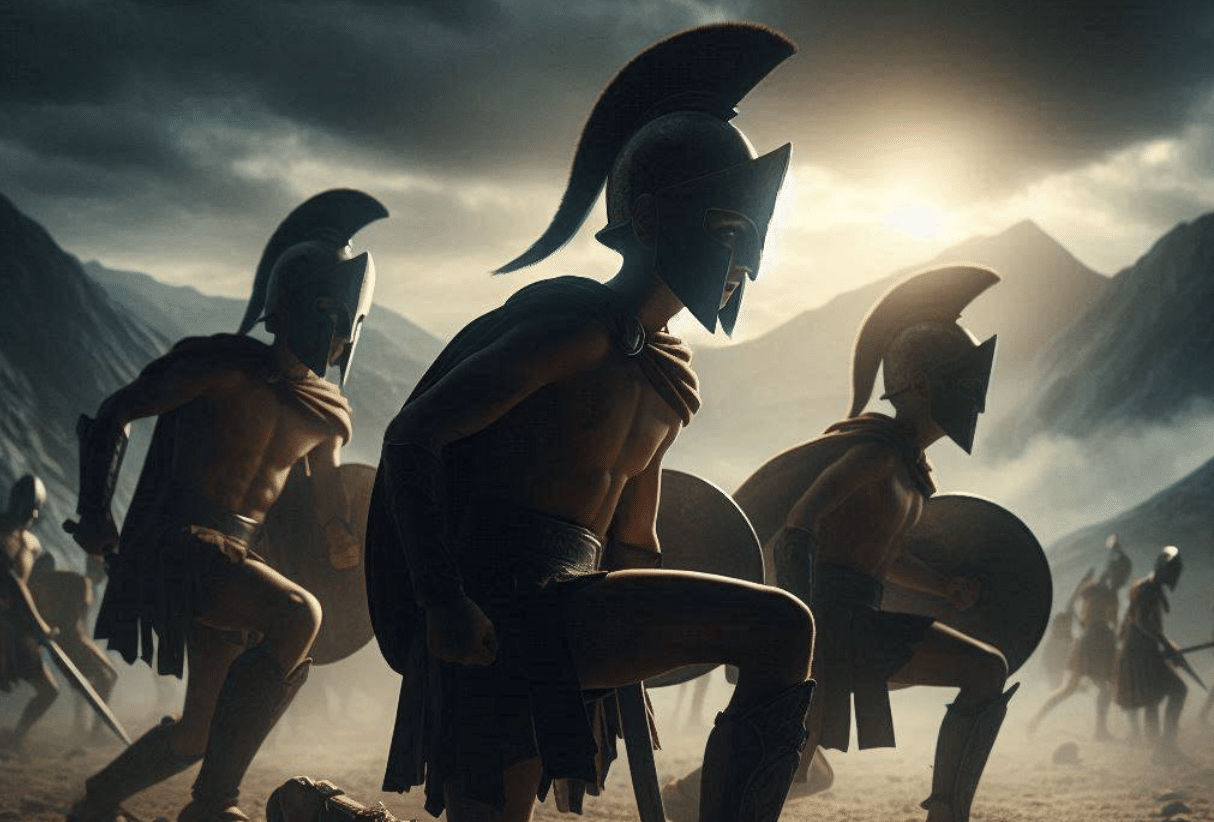
Military strategy exemplifies the practical impact of Sabine culture. Sabine warriors were renowned for their ability to coordinate formations and execute tactical maneuvers under pressure. Strabo highlights their expertise in fortifications and defensive planning, showing that they applied strategic thinking beyond individual combat. Roman armies later absorbed these principles, which contributed to their legendary effectiveness. In this way, the Sabines actively shaped Rome’s emerging military culture.
The tale of the “Rape of the Sabine Women” captures the Sabines’ dual role as both adversaries and contributors to Rome’s rise. While the abduction sparked conflict, the ultimate outcome was cooperation and integration. Sabine women acted as mediators, persuading their fathers and husbands to reconcile. Their ability to negotiate peace reinforced a reputation for wisdom and strategic foresight—qualities as vital as martial prowess.
Culturally, the Sabines left a lasting imprint on Roman religious and civic life. Festivals, ceremonies, and legal practices often reveal Sabine origins or influence. In Rome, some deities and cults were distinctly Sabine, including Semo Sancus and Quirinus, whose temples were located in the Quirinale, an area that had once been a Sabine center. Additionally, the writers Varro and Cicero note that augury, dream divination, and the worship of Minerva and Mars all trace back to the Sabines. Strabo observes that Roman historians frequently acknowledged these connections, although over time, the distinct Sabine identity gradually merged into the broader Roman narrative.
The Sabines’ Spartan heritage, as Plutarch records, offers valuable insight into their societal strengths. Discipline, communal responsibility, and martial skill formed the foundation of their identity.
Legacy and historical significance
Modern scholars, including Guy Bradley, often cite the Greek colonization of Latium and early Roman populations, particularly the Arcadian influence noted by Strabo. The Sabines’ Spartan connection underscores martial and civic excellence—qualities that Rome actively sought to emulate.
Ultimately, the Sabines demonstrate how early Italic peoples shaped Rome through both conflict and collaboration. Their martial skill, social organization, and religious observances helped define the foundational character of the city. Stories preserved by Strabo and Plutarch provide a window into this complex relationship, revealing a people respected for courage, wisdom, and disciplined living.
The legendary Spartan roots of the Sabines link them to Greece’s ideals of military discipline and civic order. Moreover, through warfare, marriage, and cultural exchange, they influenced Rome in profound ways. Strabo emphasizes their social cohesion and strategic abilities, while Plutarch highlights their role in shaping Roman myth, law, and morality.