
In recent years, the field of medical sciences has witnessed several advancements. From gene editing and wearable technologies to the development of mRNA vaccines, the new discoveries in the medical field have greatly improved disease diagnosis and treatments, improving patients’ quality of life. While the materials, procedures, and technologies used in health care and medical research have considerably changed over time, today doctors still incorporate in their practice basic concepts that date as far back as ancient Egypt or Greece. Read on to learn more about five breakthroughs in ancient medicine that are still relevant today.
1. Medicine as a Science
Initially, medical practice was closely linked to magic or superstition. In ancient Egypt, for example, medical works like the Ebers papyrus (a medical papyrus dating from 1152 BCE) describe various treatments for a series of diseases, such as burns, tumors, and abscesses. Alongside medical prescriptions, however, the papyrus suggests magical formulas to cure illnesses caused by evil forces.
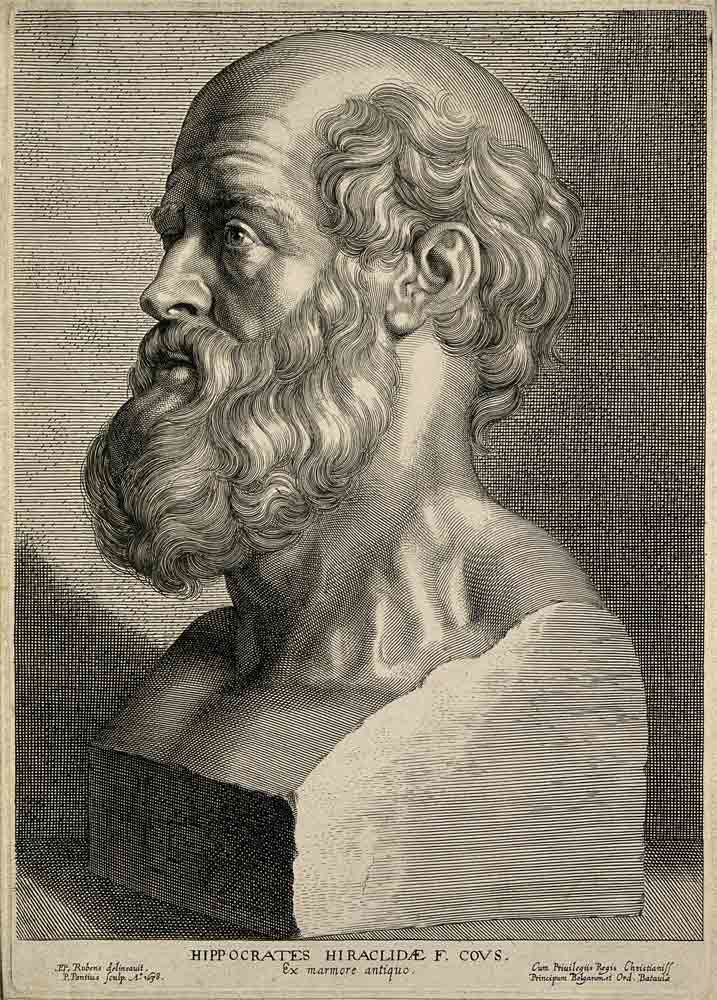
During Greece’s Classical period, Greek physician Hippocrates, born around 460 BCE on the island of Kos, was the first to transform medicine into a science. Hence, he is widely regarded as the “father of modern medicine.”
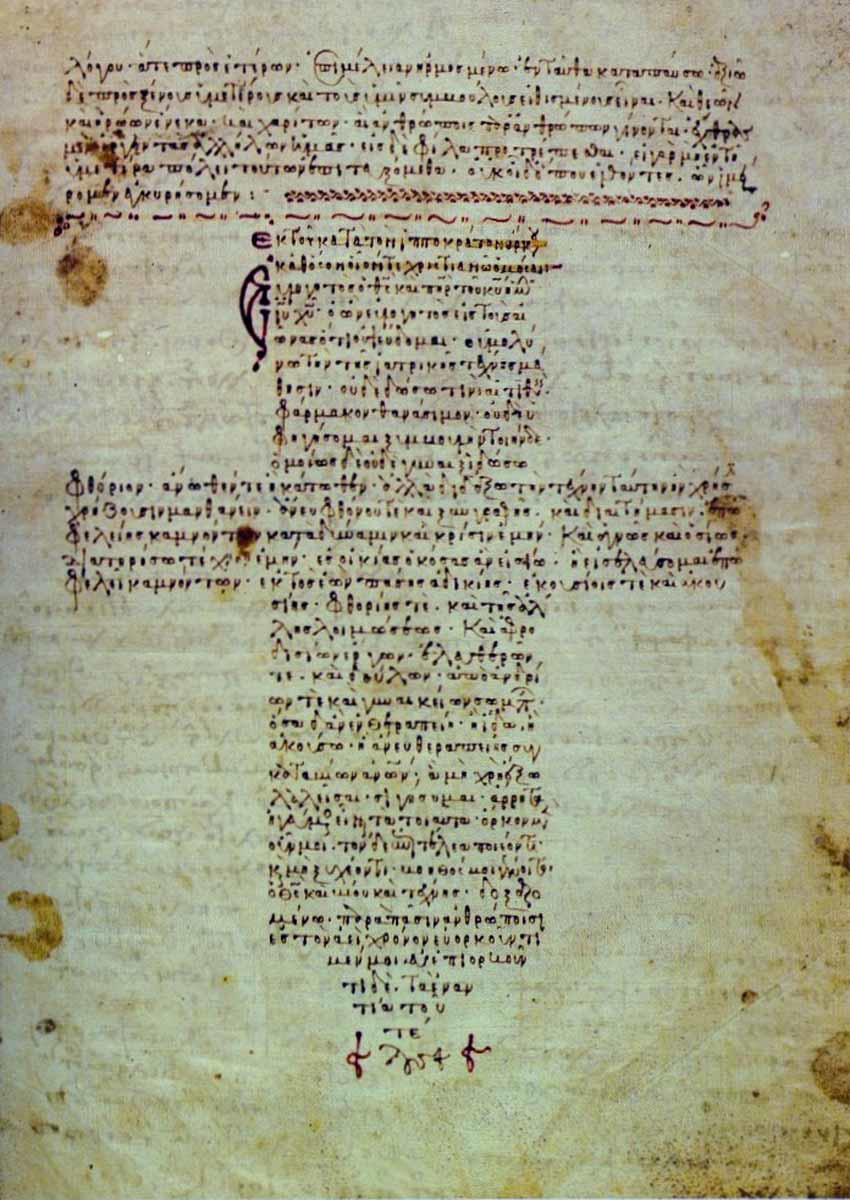
Today, Hippocrates is perhaps better known for the so-called Hippocratic Oath, an ethical code attributed to him whose core values are still considered a guide for those in the medical profession. At the center of the oath was the belief that a physician should never harm his patients. Writing in the 1st century CE, Roman physician Scribonius Largus (the earliest author to reference the oath), remarked: “Hippocrates, the founder of our profession…valued it highly that whoever conducted himself according to his principle with a devoted and consecrated heart would preserve the reputation and dignity of medicine, for medicine is the science of healing, not of doing harm.”
Besides setting ethical standards in medical practice, Hippocrates was also an advocate of evidence-based medicine, emphasizing the importance of detailed clinical observations to identify the correct diagnosis and prescribe an effective treatment.
While some of his theories (such as humorism) have been disputed, his practice of collecting information regarding the age, lifestyle, diet, and symptoms of his patients is still relevant today.
Hippocrates’ emphasis on preventive medicine also resonates with modern approaches to health care, especially his idea that dietary habits and exercise influence a patient’s overall health. Establishing medicine as an empirical discipline, the Greek physician also urged his colleagues to tailor their clinical decisions to the characteristics of each patient.
Besides his insights into disease prevention, diagnosis, and prognosis, Hippocrates’ influence on modern medicine extends to medical terminology. Indeed, terms such as sepsis, diagnosis, trauma, symptoms, and therapy derive from his writings.
2. Prosthetics & Artificial Limbs
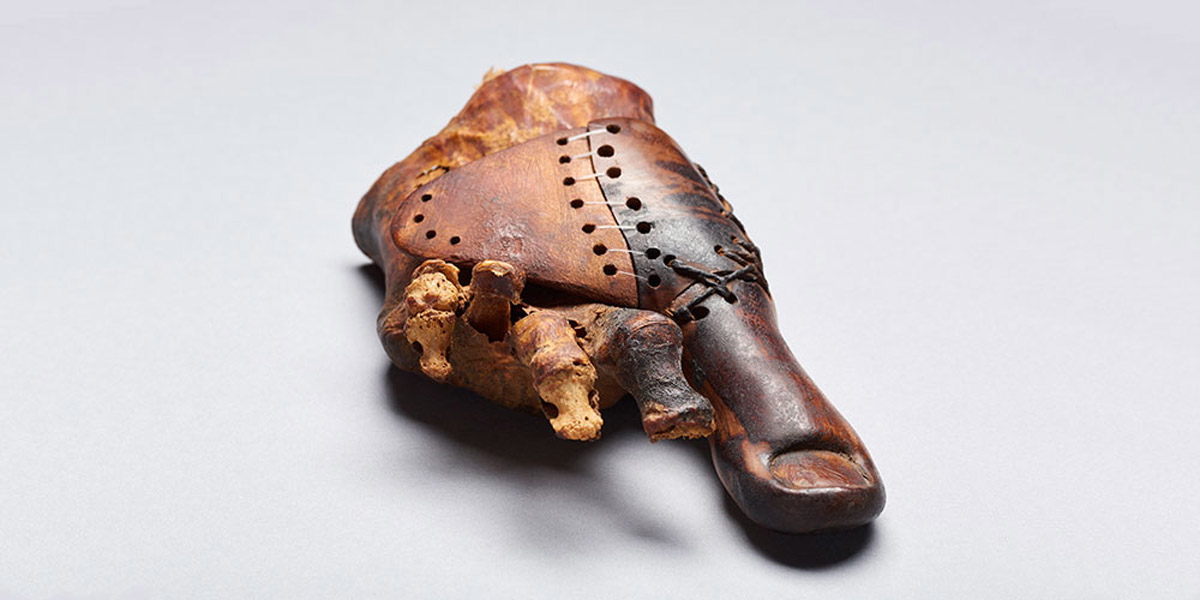
Today, millions of people worldwide use a prosthetic limb. Modern prostheses use lightweight and durable materials to improve mobility, and bionic limbs connected to the nervous system aim to restore function. The idea of replacing body parts with prostheses, however, has a long history.
In 2000, a group of archaeologists working in a burial chapel at the Sheikh ‘Abd el-Qurna gravehill near Luxor, Egypt, found a 3,000-year-old mummy sporting a masterfully crafted prosthetic big toe. Known as the Cairo Toe, the artificial toe is likely the earliest known example of a practical prosthesis.
The Cairo Toe is not the only ancient artificial limb to have survived. In 1881, the British Museum purchased from Reverend Greville Chester another prosthetic big toe found in an ancient Egyptian tomb. Made of cartonnage, the toe was likely created before 600 BCE. While the prosthesis has a series of holes around its hedges, suggesting it was attached to a sandal or sock, it does not bend at the joints, meaning it would have been uncomfortable to wear long-term.
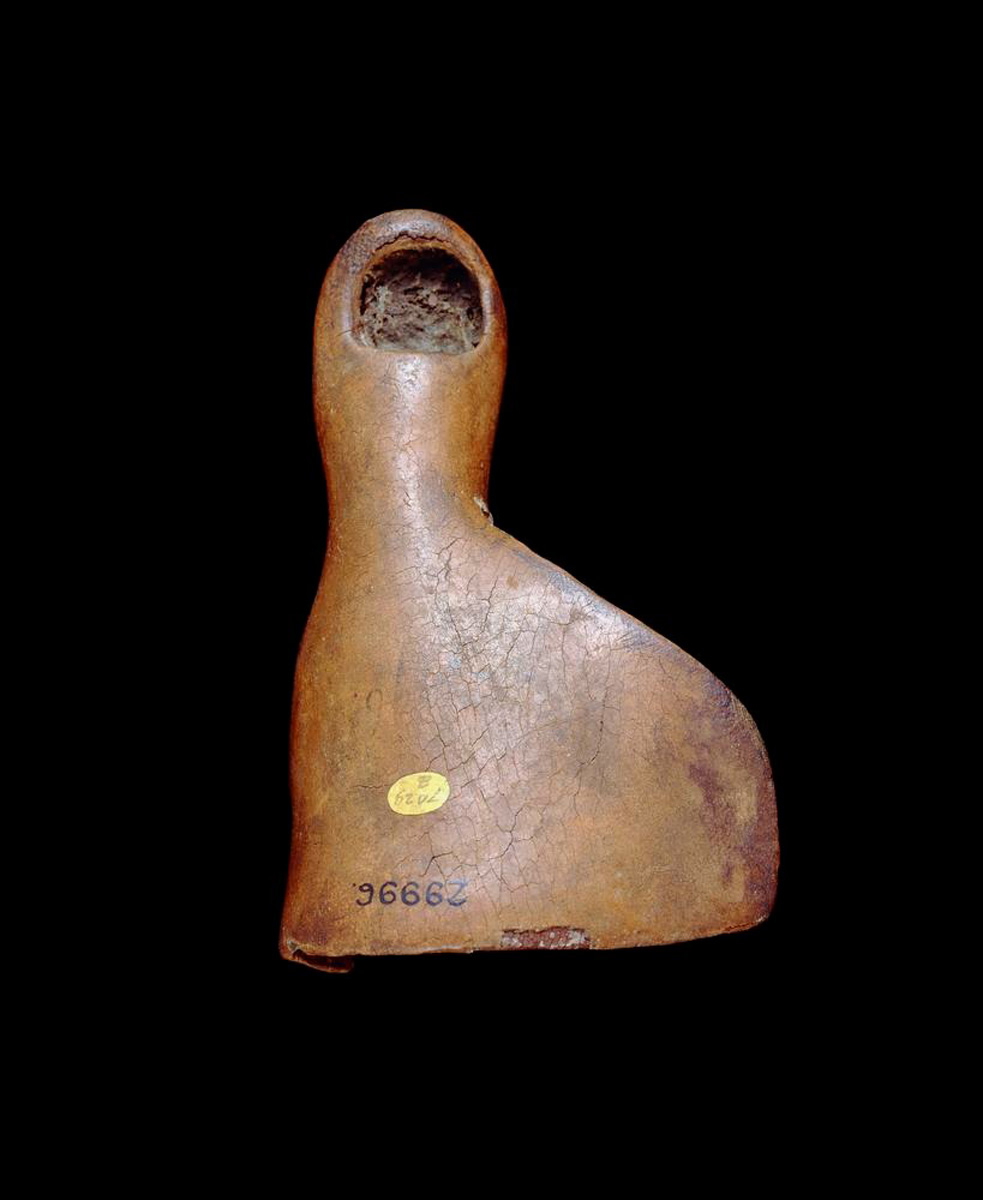
Unlike the Greville Chester Toe, the wooden digit found near Luxor could flex and was likely crafted to help the wearer with her balance and mobility. A recent study of the artificial limb using microscopy, X-ray technology, and computer tomography has confirmed its functionality, revealing it had been refitted multiple times. In particular, the researchers praised the “skills of an artisan who was very familiar with human physiognomy,” adding that “the technical know-how can be seen particularly well in the mobility of the prosthetic extension and the robust structure of the belt strap.”
Over the next centuries, using artificial limbs to replace body parts continued to be a common practice. Archaeologists, for example, have discovered several Etruscan false teeth with a metal band used to connect them to the intact teeth of the wearer. In Capua, a town north of Naples, an artificial leg (known as the Capua Leg) was found in a grave around 1884. Made of wood with a bronze sheath, the limb was secured in place with a series of straps. The bronze sheeting, similar to an armor, suggests it belonged to a soldier.
Indeed, the majority of prostheses recovered by researchers over the years were likely made for soldiers. Roman general Marcus Sergius Silus replaced his right arm, lost during the Second Punic War, with an iron limb that could also hold his shield. Centuries later, medieval knights similarly used wooden limbs.
3. Sutures
In today’s medical practice, closing wounds by sewing the body tissues together is one of the key mechanisms in surgical procedures. While the materials and tools used in suturing have undergone various changes, the basic concept of stitching a laceration to speed up the healing process has been around for millennia.
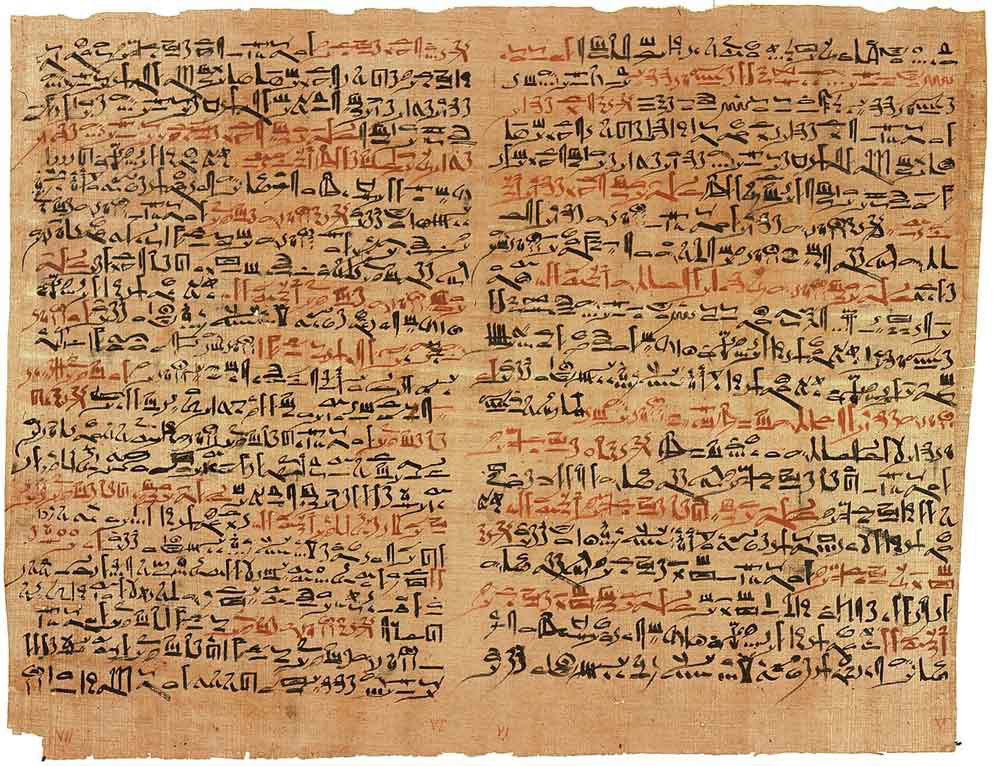
One of the earliest mentions of the use of suture can be found in the so-called Edwin Smith Surgical Papyrus, a 15-foot-long text dating back to 1600 BCE, discovered by Edwin Smith in 1862. Containing more than 500 lines of hieroglyphs and 48 illustrations, the papyrus—the earliest known surgical text—discusses several treatments of trauma. In ancient Egypt, embalmers commonly used sutures after removing organs from a body during the embalming process. “If thou findest that wound open and its stitching loose thou shouldst draw together for him the gash with two strips of linen,” suggests the papyrus.
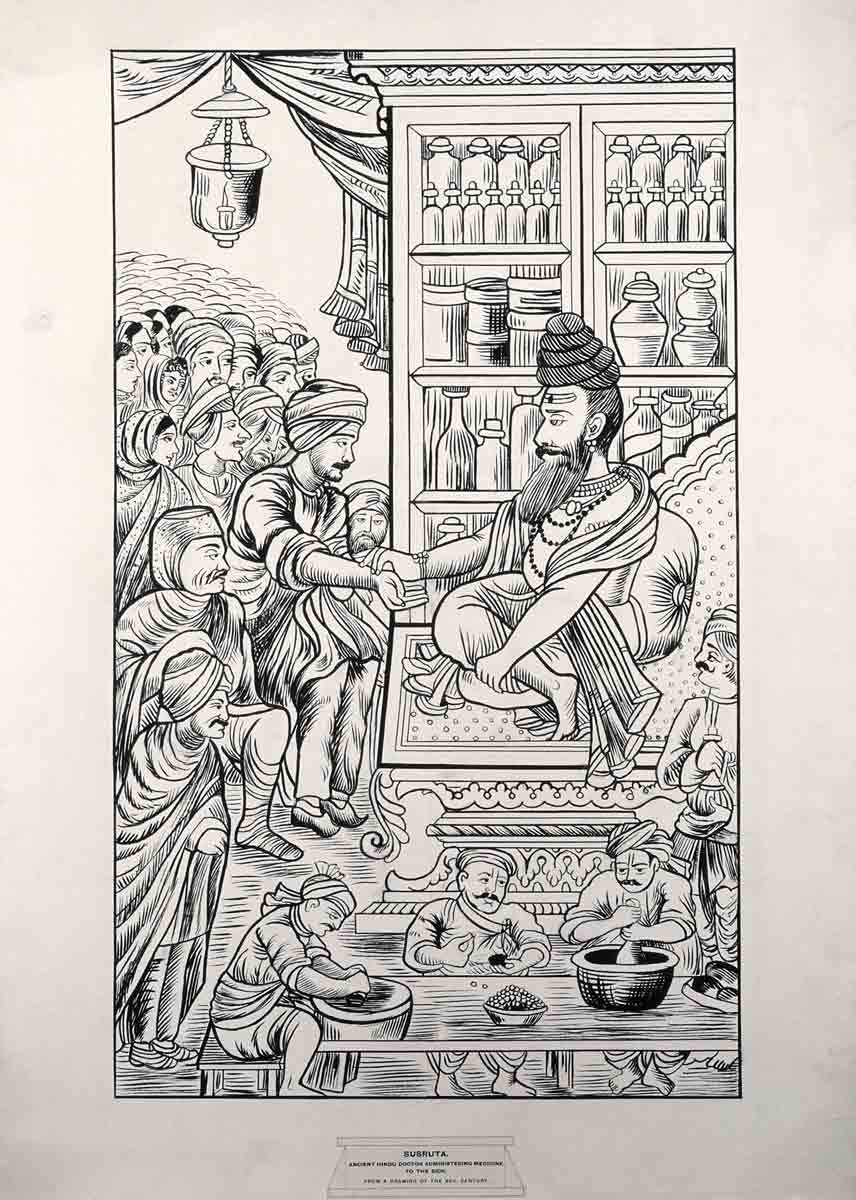
In 500 BCE, Indian surgeon Sushruta also discussed sutures technique in his Samhita, one of the most important ancient medical treatises. Sushruta even emphasized the importance of cleaning the wounds with herbal-based antiseptic solutions to prevent infections. Among the materials mentioned by the physicians to stitch up lacerations were horsehairs, plant fiber, and ants’ mandibles.
In ancient Rome, Aurelius Cornelius Celsus, the author of De re medicina, suggested “making ligatures in many places” around damaged vessels to stop the bleeding. Known as haemostasis, this method is still used by surgeons today. Like Sushrata, Celsus also recommended irrigating lacerated tissues, and his list of symptoms of infection in wounds—calor, rubor, tumor, and dolor—is still used in medical manuals.
Renowned Roman physician Galen of Pergamum, who attended to wounded gladiators, mentioned the use of gut string to mend the severed tendons of the fighters injured in the arena after cleaning the wounds with diluted wine.
4. Public Health
In recent years, the outbreak of epidemics and pandemics has emphasized the importance of public health, the science of promoting mental and physical health, and protecting communities from illnesses and diseases.
While the ancient populations faced numerous health risks, there is evidence of early measures to prevent the spread of endemic diseases and promote hygiene. Ancient Rome, for example, pioneered several public health practices that are still relevant in the contemporary world.
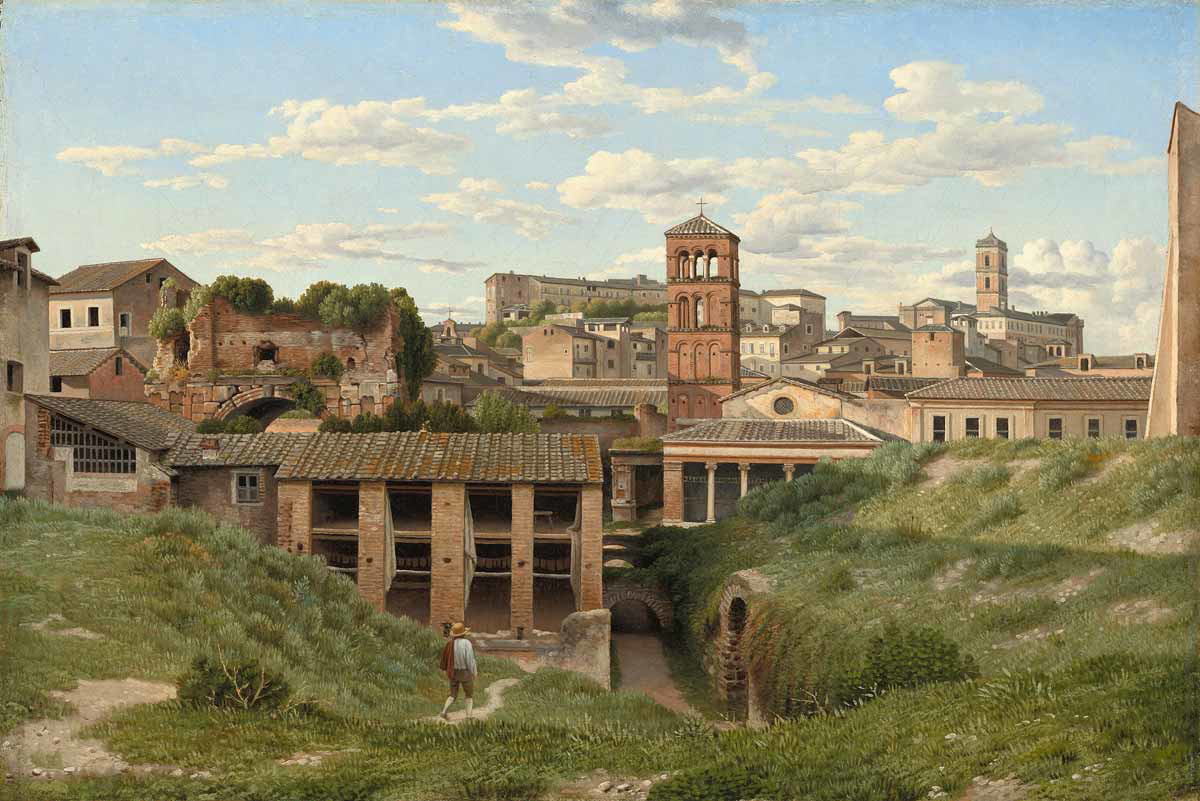
State-appointed physicians, known as medici publici, monitored the sanitary conditions of the city’s areas, suggesting the implementation of hygienic measures where needed. Hundreds of public baths and toilets located throughout the city also testified to ancient Rome’s concern for public health. An extensive sewage system, the Cloaca Maxima, collected the city’s human waste.
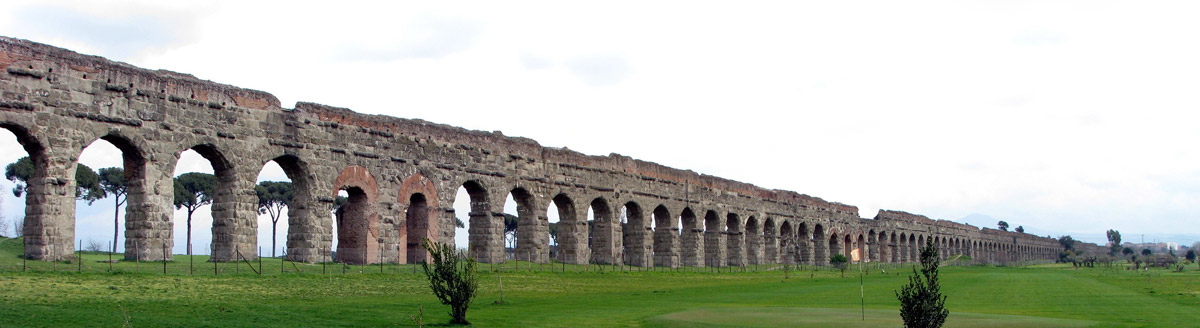
The most significant Roman effort in terms of public health, however, was the construction of a series of aqueducts (from Latine aqua, or “water,” and ducere, meaning “to lead”) securing a supply of fresh water to Rome’s numerous inhabitants. Before the Romans, ancient Persia, India, and Egypt had built water-supply systems. The elaborate network of aqueducts of ancient Rome, however, remains an impressive achievement in ancient engineering.
The first aqueduct, Aqua Appia, was built in 312 BCE by Appius Claudius, then a Censor. As the memory of the Celtic sack of Rome in 390 BCE was still a source of debate, it was decided to build the channel that would lead fresh water to the city underground to prevent enemy armies from destroying or contaminating it.
Over the next 500 years, the Romans built eleven aqueducts, some still visible (and used) today. They provided water not only for the fountains and springs in Rome, but also for the public baths, where the city’s inhabitants gathered to wash and converse.
5. Anatomy as the Basis for Medical Practice
The knowledge of the human body’s structure is an essential part of the practice of medicine. In ancient Rome, Galen of Pergamum, physician to Marcus Aurelius and later Commodus and Septimius Severus, was convinced that anatomy was the basis for medical knowledge.
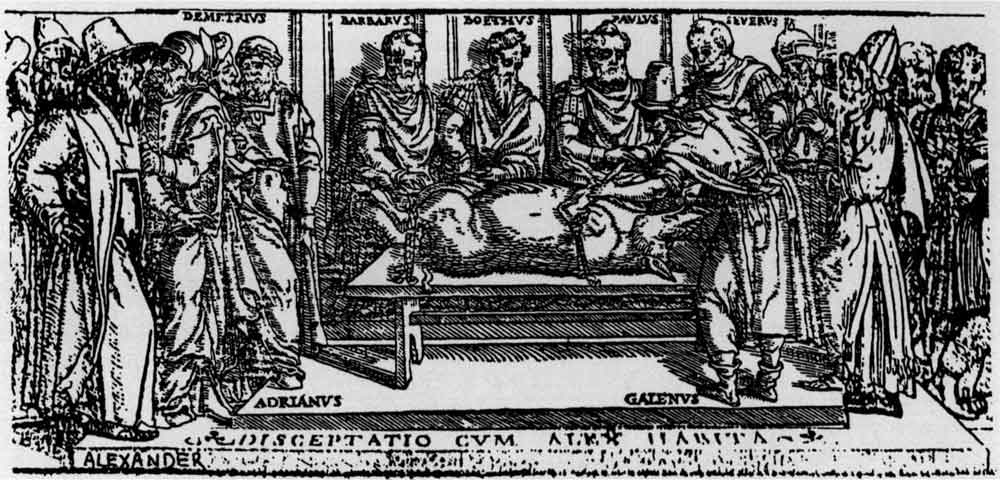
As a doctor to the gladiators, Galen was able to gain some understanding of human anatomy. However, at the time, dissecting a human body was illegal, as religious beliefs in life after death and the spirit of the departed made anatomical dissection a cultural taboo. One of the first ancient physicians able to study the human body was Herophilus, who practiced medicine in the newly founded city of Alexandria during a brief period when human dissection was allowed.
In the 2nd century CE, Galen drew on Herophilus’ studies, arranging the medical theories and discoveries of the Greek anatomists. Unable to conduct direct evidence-based research on corpses himself, Galen resorted to dissecting animals, including monkeys, sheep, goats, pigs, dogs, and bears.
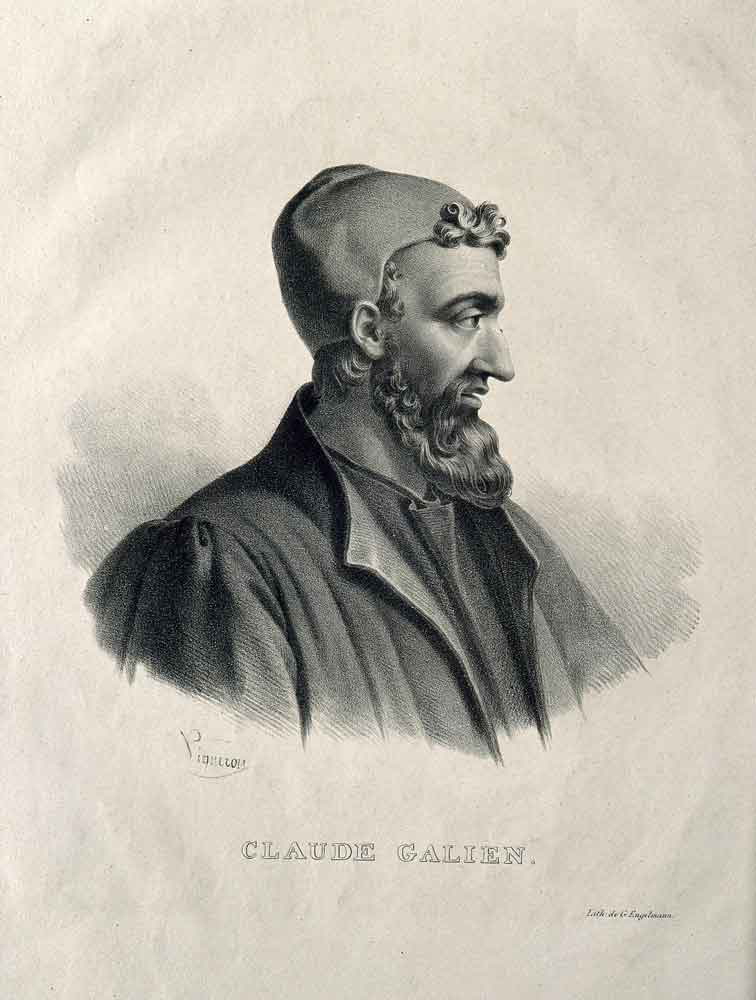
Although several of his theories have since been disproven, Galen correctly observed how arteries carry blood, and not, as previously believed, air. He also identified the valves of the heart and observed the structural differences between veins and arteries. During his research into the nervous system, he understood the functions of the spinal nerves.
During the Middle Ages, Galen’s body of work on medicine and anatomy became the undisputed authority in Europe. It was only during the Renaissance period that Leonardo da Vinci was able to undertake his own dissection, and physician Andrea Vesalius compiled the first illustrated textbook of anatomy. While Galen’s understanding of anatomy was more animal than human, his emphasis on evidence-based studies influenced the history of medicine.