Greece is breaking a new tourism record, and revenues could for the first time exceed 25 billion euros! But holidaymakers are staying for shorter periods and watching their spending – and now the country wants to spread tourists across more islands and regions.

Another record year
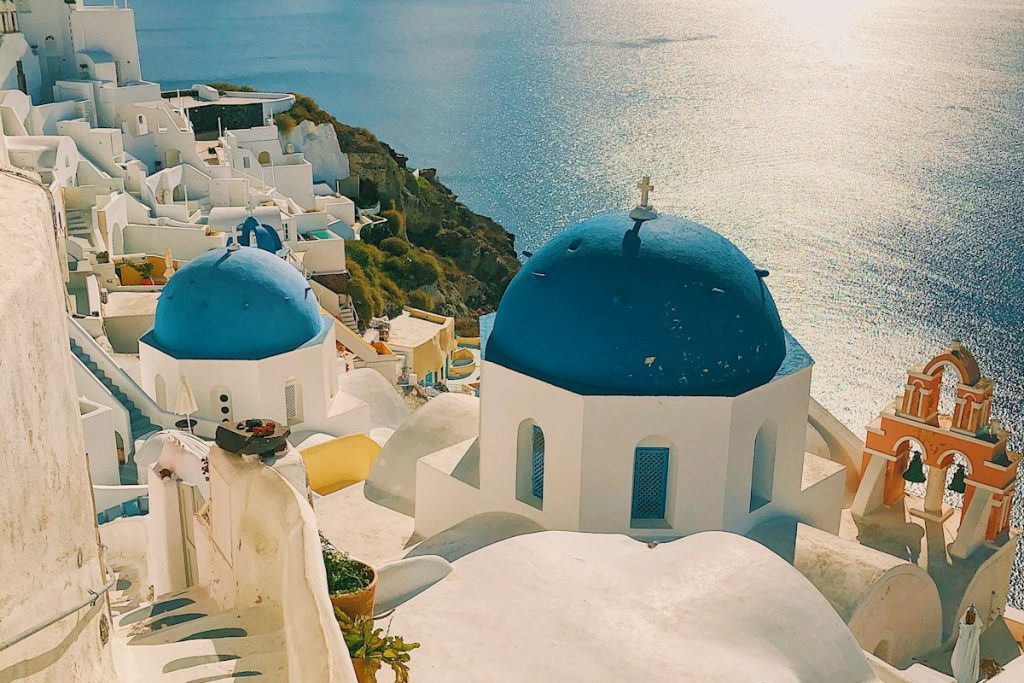
White houses, turquoise bays and sunsets that make the whole of Santorini pause – Greece continues to attract travellers from all over the world. And 2026 looks set to be yet another record year for the country’s tourism. But behind the encouraging figures lies a clear shift: holidaymakers are staying for shorter periods and are considerably more careful with their money.
According to figures from the Greek central bank, as reported by Protothema, tourism revenues amounted to 18.2 billion euros between January and August. This is an increase of 9.4 per cent compared to the same period last year, while the number of international visitors rose by ten per cent to 28.5 million. For the full year, revenues could for the first time exceed 25 billion euros.
The record from last year is being beaten
Last year was already a record year. In 2025, Greece welcomed almost 38 million foreign visitors, an increase of 5.6 per cent, according to Euronews. Revenues reached 23.6 billion euros, and tourism is today one of the most important drivers of the Greek economy.
The country’s Minister of Tourism Olga Kefalogianni described 2025 as the third record year in a row, and highlighted that revenue grew faster than the number of visitors, reports Greek City Times. The ministry’s focus is on broadening the range of offerings, attracting visitors from new markets such as East Asia, India and the Middle East, and investing in education within the tourism industry.

Shorter holidays and more frugal tourists
However, the trend is not clear-cut. The average stay has shrunk from 7.4 nights in 2019 to 6.1 nights in 2025. Hotel owners report that guests are counting their money and cutting back primarily on what lies outside the hotel – such as restaurant visits. More and more are choosing half board, and bookings are increasingly made at the last minute.
High prices on popular islands such as Mykonos and Santorini are also testing the limits of how much travellers are prepared to pay. At the same time, operating costs are rising, which means that higher revenues do not automatically translate into better profitability for the hotels.
Five regions take almost everything
The focus going forward is therefore not on attracting more tourists – but on spreading them more effectively and getting them to spend more. Today, five of the country’s 13 regions, including the South Aegean islands, Crete and Attica, account for 90 per cent of tourism revenue. Five islands receive almost half of all international arrivals, while large parts of the country have hardly any tourism at all.
The Greek tourism research institute INSETE believes that the country does not have a general problem with too many visitors, but that the challenge lies in managing the flows. Therefore, the aim is to attract visitors to lesser-known areas and extend the season, with initiatives focusing on culture, gastronomy and conferences outside the high summer period, among other things.

Investments – and infrastructure lagging behind
Investor interest is high. In 2025, tourism companies invested around five billion euros, of which 2.8 billion in hotels. But INSETE warns that private investment cannot compensate for shortcomings in public infrastructure. The institute calls for, among other things, better air traffic control, improved road and rail connections, a stronger ferry network and modern cruise terminals.

What does that mean to you?
For Swedish travellers, Greece’s new strategy could actually be good news. The push to spread out tourism means that more lesser-known islands and regions are being prepared for visitors – and here, prices are often lower and crowds smaller than on the classic favourite islands. Messinia on the Peloponnese, for example, had its best year yet this year.
If you want to avoid the biggest crowds, spring, early summer and autumn are perfect times to travel. The weather is still lovely then, but both flights and hotels are often cheaper. Also take the opportunity to explore the mainland – the Peloponnese, Epirus and northern Greece offer fantastic food, historical sites and beaches that many tourists never find. And perhaps you’ll discover your new Greek favourite far from the cruise ships!
Story via the original publisher. Read the original article