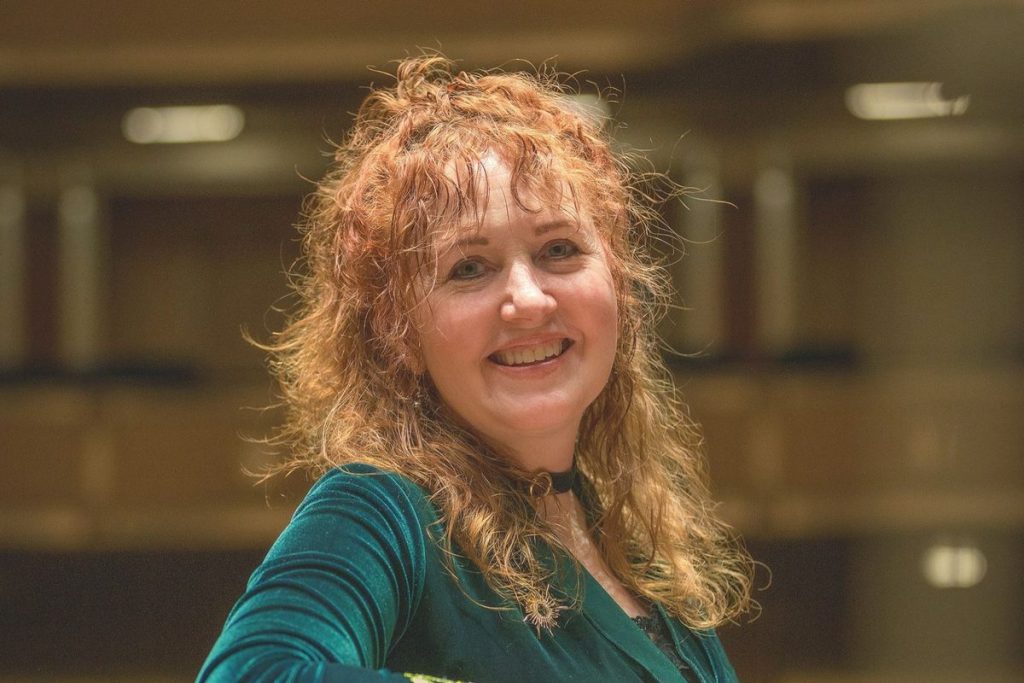
Hailing from San Francisco, the early music conductor and harpsichordist Jeannette Sorrell has led world-class orchestras for over three decades, among them the New York Philharmonic and the Royal Liverpool Philharmonic.
She is best known, however, as the artistic director of Apollo’s Fire, the vibrant early music ensemble she founded in 1992. This October, she and Apollo’s Fire will release their new recording of Bach’s B minor Mass on Avie, ahead of a major international tour titled ‘Echoes Across the Atlantic’, which finishes at the Barbican in London on 28 November.
Here, Jeannette names her favourite seven pieces of storytelling in music.
1. L’Orfeo by Monteverdi
Written in 1607 – the dawn of the Baroque period, when Italian composers were attempting to recreate the lost storytelling power of ancient Greek music – Monteverdi‘s L’Orfeo is, to me, the first masterpiece of musical storytelling in modern Western history.
Almost every moment contains a form of text painting, be that through sighing figures in the voice and continuo or through a tension between dissonance and consonance, so skillfully attached to the emotions and words. The result is storytelling that doesn’t depend on a lavish production – it is all woven into the music.
2. Dido and Aeneas by Purcell
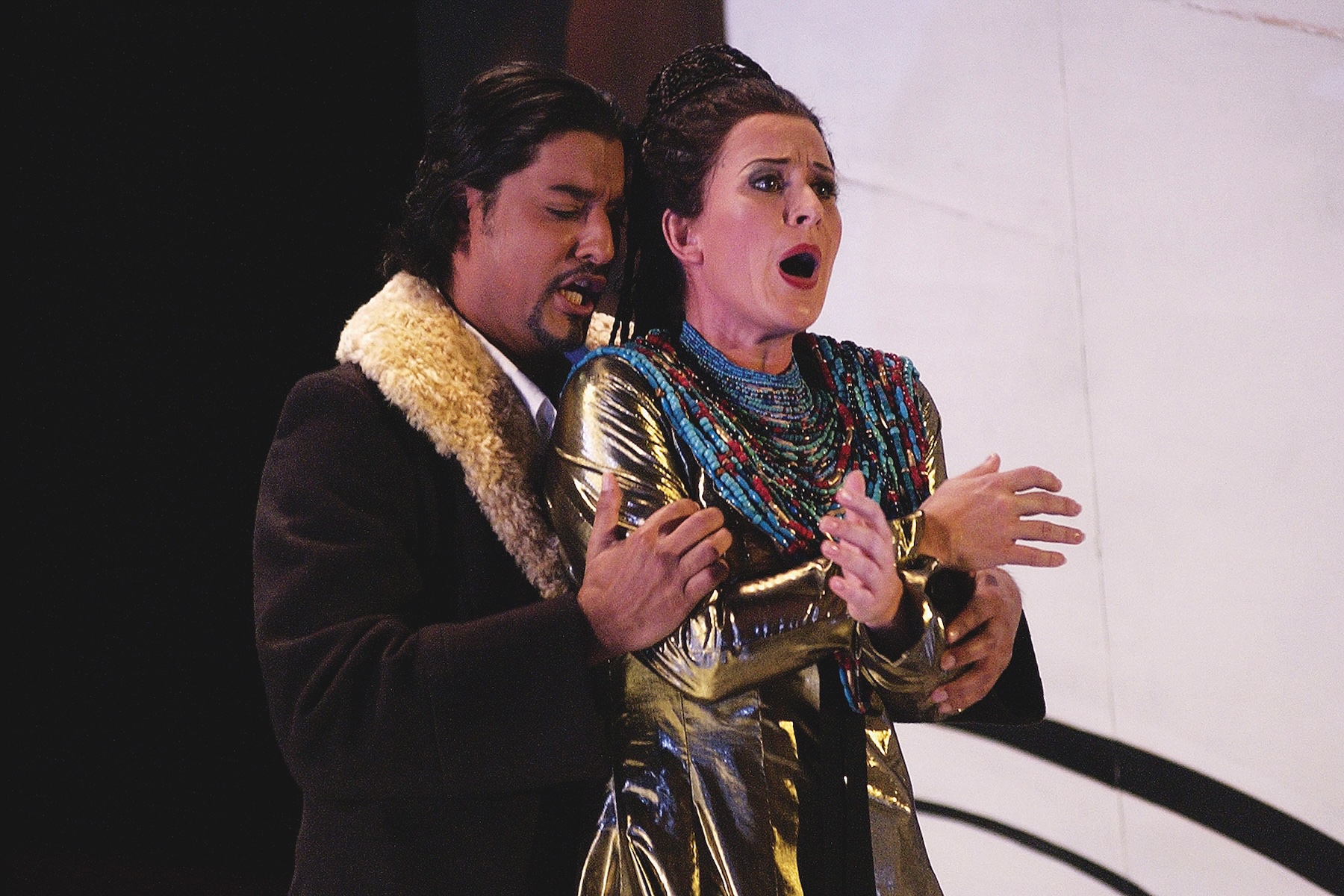
Dido and Aeneas was written with 17th-century London’s lively, rustic theatre culture in mind, and Purcell was a master at blending timeless myth with an intimate, folky immediacy. This human quality shines through plaintive ground-bass melodies – like ‘Dido’s Lament’, using tritones and other pungent combinations of intervals to express pathos – as well as intentional gaps.
When Dido accepts Aeneas’s love, Purcell indicates an unwritten guitar chaconne. Leaving the music to spontaneous improvisation embraces both the scene’s joy and the vibrant, participatory energy of the theatrical experience.
3. St John Passion by JS Bach
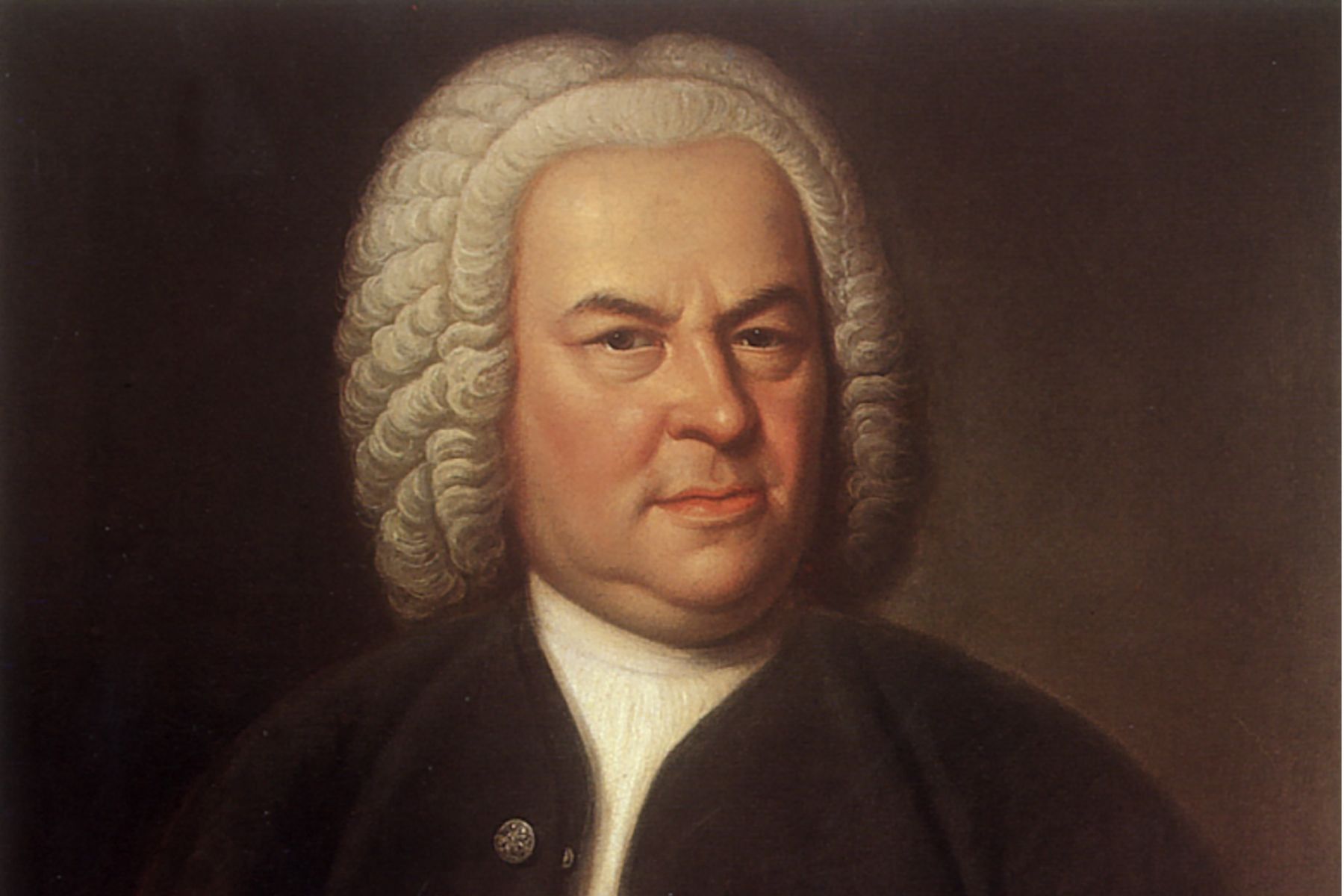
I love all Bach, but I do feel that the St John Passion is especially masterful in its storytelling. Composed when Bach was only 39, it is filled with the daring of a great composer who was still experimenting with the passion genre.
From the opening chorus, churning semiquavers beneath soaring woodwinds evoke an angst-filled drama poised to erupt. In poignant contrast, the famous final chorus – ‘Rest Well’ – rocks with the gentle tenderness of someone rocking a baby, or a body. It leaves you feeling amazed at Bach’s ability to weave such theatricality into a single piece.
4. The Four Seasons by Vivaldi
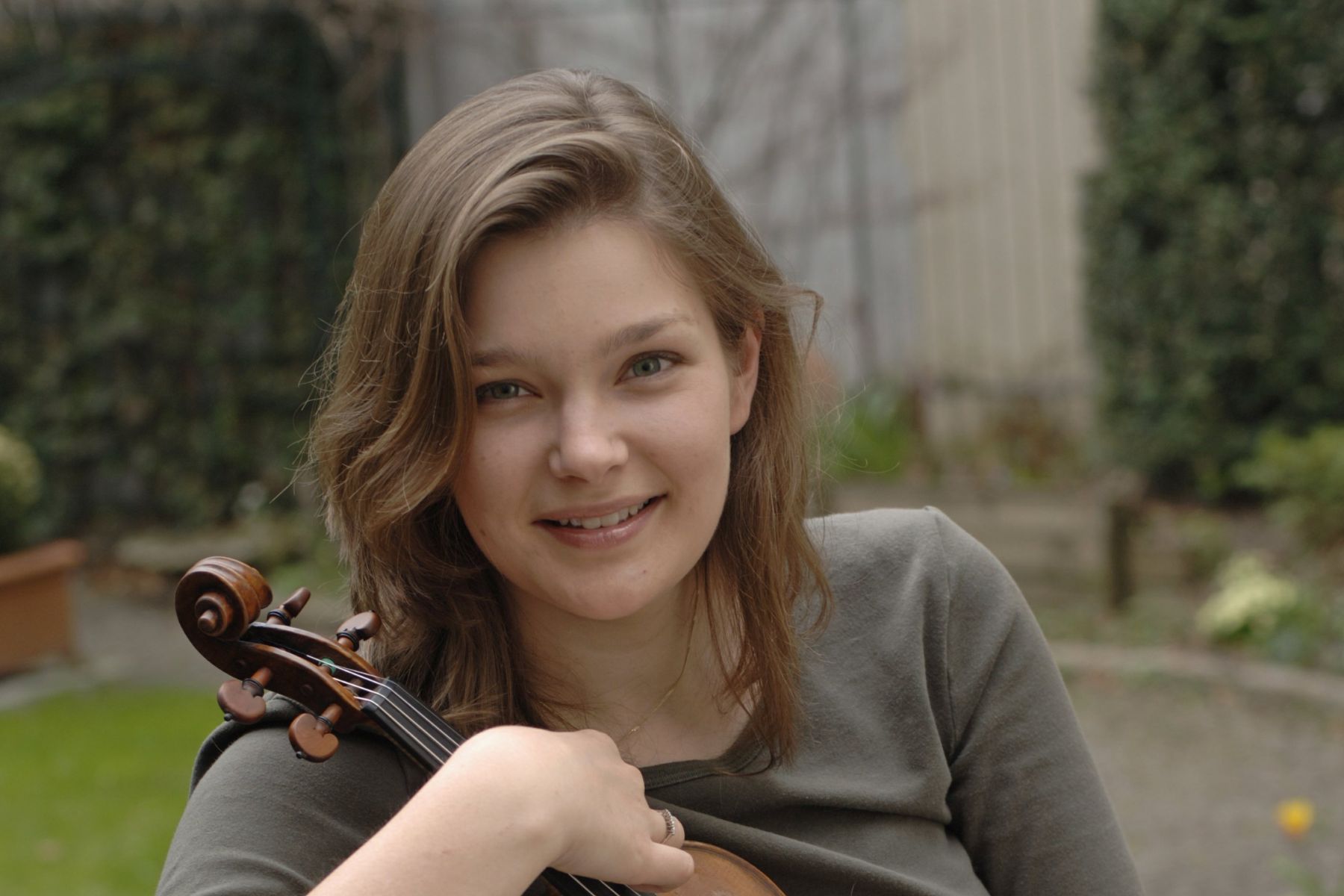
For me, The Four Seasons are revolutionary acts of storytelling. Far from merely describing the weather, they depict the lives of 18th-century Italian peasants, who celebrated with the changing of the seasons. In the autumn concerto, for example, we hear them celebrating the harvest with some good Chianti.
You hear their drunkenness in the falling arpeggios that speed up towards the end, and the staggering conversation between the violin and the continuo. Such detailed characterisation was far ahead of Vivaldi’s time – a feat unmatched, in my opinion, until Beethoven’s ‘Pastoral’ Symphony.
5. Israel in Egypt by Handel
Handel‘s Israel in Egypt recounts the biblical plagues sent after Pharaoh refused to free the Israelites. Each one of the plagues is an amazing example of text painting. I love the plague of the flies where the super-fast violins remind you of Rimsky-Korsakov’s Flight of the Bumblebee; and the plague of darkness, with those mysterious, slow-changing harmonies. Most dramatic of all is the parting of the Red Sea. When the water crashes in, you hear the force of the waves in the strings, and it’s terrifying.
6. Messiah by Handel
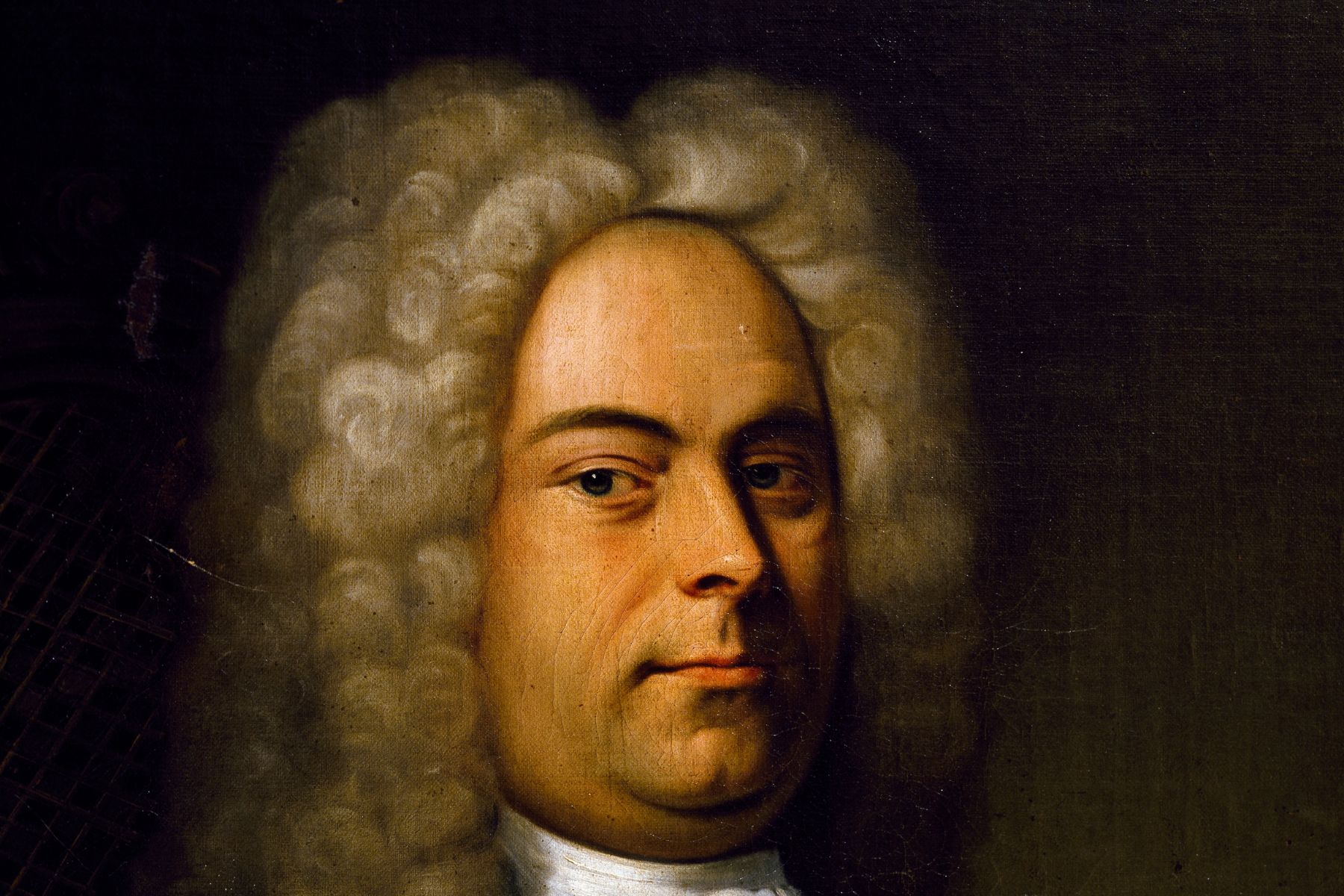
Handel composed his miraculous Messiah in a rapid burst of energy, creating it for the stage rather than the church. He sold tickets and engaged soloists who were either professional actors or opera singers, crafting the aria ‘He was despised and rejected’ for Shakespearean actress Susannah Cibber.
The result is a mood piece – she didn’t have a big voice, but when performing music of such intimacy and pathos she held the audience spellbound. Moved by her performance, an attending minister cried out, ‘Woman, for this be thy sins forgiven!’
7. Symphony No. 6, ‘Pastoral’ by Beethoven
The ‘Pastoral’ goes beyond literal depiction to capture human stories and feelings in response to nature. So, in addition to natural elements, we hear rustic human experiences, such as the heavy downbeat rhythms of the merry country folk, so like the sounds of an Austrian beer hall.
I studied for a summer with Leonard Bernstein, who was a master of this piece, and I remember how he highlighted every subtle Austrian cultural nuance and identified each specific bird call woven into the score. It really allowed me to appreciate the work’s abundance of cinematic detail.
Top pic: Jeannette Sorrell by Dale Dong
Story via the original publisher. Read the original article